

How to Create a Wedding Guest List (Without Drama)
Creating your wedding guest list sounds simple until you’re staring at a spreadsheet full of names, opinions, and unexpected emotions.
It’s one of the most meaningful parts of planning your day, yet it’s also where budgets, family expectations, and social circles collide. The goal isn’t to please everyone—it’s to build a celebration that feels true to you both.
With a little structure, a clear vision, and a strategy inspired by expert guidance from leading wedding editors, you can create a thoughtful, balanced guest list that honors your priorities and avoids unnecessary conflict. This guide walks you through every step.
This wedding guest list guide is part of our complete wedding planning resource, helping couples avoid common guest list mistakes and navigate sensitive decisions with less stress.
This post may contain affiliate links, please refer to privacy policy for more information.
Start With Your Wedding Vision (Before Names Hit the Page)

Your guest list should reflect the kind of celebration you want to host. Before you write a single name, take a moment to define the atmosphere, size, and experience you imagine for your wedding. Whether you’re planning an intimate ceremony with 30 of your closest people or a 200-guest celebration with a packed dance floor, your vision sets the tone for who ultimately makes the list.
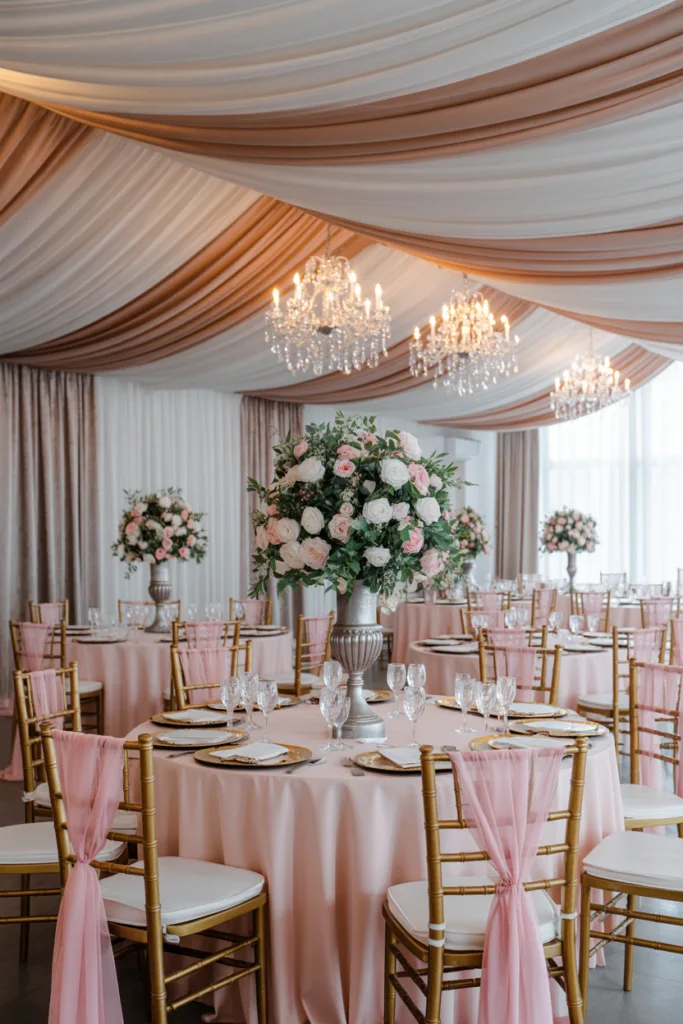
Wedding editors often emphasize the importance of aligning guest count with your overall style and priorities. Publications like Brides and guidance from The Knot consistently note that clarity at this stage prevents confusion later. For design inspiration that matches your vision, explore ideas like planning a wedding budget and blush pink wedding aesthetics to ensure the guest list works harmoniously with your day.
Decide on an Intimate, Mid-Size, or Large Wedding
Every celebration has its own energy, and your guest list size is a huge part of that. Intimate weddings of 20–50 guests feel warm and personal; mid-size weddings between 50–120 create balance and flexibility; large weddings with 120–250 guests bring buzz, movement, and a party-forward atmosphere. Your guest count influences everything: catering, seating, rentals, and even your venue options.
Set Non-Negotiables Together
Before blending your individual lists, create a shared set of rules to guide your decisions. This may include an adult-only policy, limiting plus-ones to long-term partners, or prioritizing close family and lifelong friends. These guidelines function as guardrails, reducing emotional decisions later and ensuring you’re united when navigating sensitive conversations.
Build Your Preliminary Lists Separately First

Starting individually helps both of you feel heard and avoids early disagreements. Creating your lists separately allows you to jot down everyone who comes to mind without judgment or pressure. Once the initial names are captured, combining them becomes a structured and thoughtful process instead of an emotional one.
The A-List (Must-Haves)
Your A-list includes the people you absolutely cannot imagine celebrating without. This usually means immediate family, closest friends, and anyone who has played a meaningful long-term role in your lives. This group forms the foundation of your wedding and shapes the minimum guest count you’ll plan around.
The B-List (Nice to Have)
The B-list is for people you’d love to include if space and budget allow. Think newer friendships, coworkers you’re close to, extended family you see occasionally, or neighbors you enjoy. These are guests who would add joy to the day but aren’t essential to the core group.
The “Obligation” List (And How to Handle It Gracefully)
Most couples encounter an obligation list at some point—guests parents request, professional contacts, or acquaintances from past chapters of your life. It’s perfectly normal to evaluate these names carefully. Create space for a conversation with your families, set boundaries kindly, and remember that your wedding isn’t a reunion for everyone you’ve ever known.
Combine Lists and Align With Your Budget & Venue

Once both preliminary lists are complete, bring them together and compare your totals. This is where reality meets vision: the combined list gives you a clear sense of your maximum guest count before edits. Consider your venue capacity, catering minimums, and the experience you want to create. Industry data from sources like The Knot suggests that roughly 70–85% of invited guests will attend, which helps you estimate final numbers with more confidence.
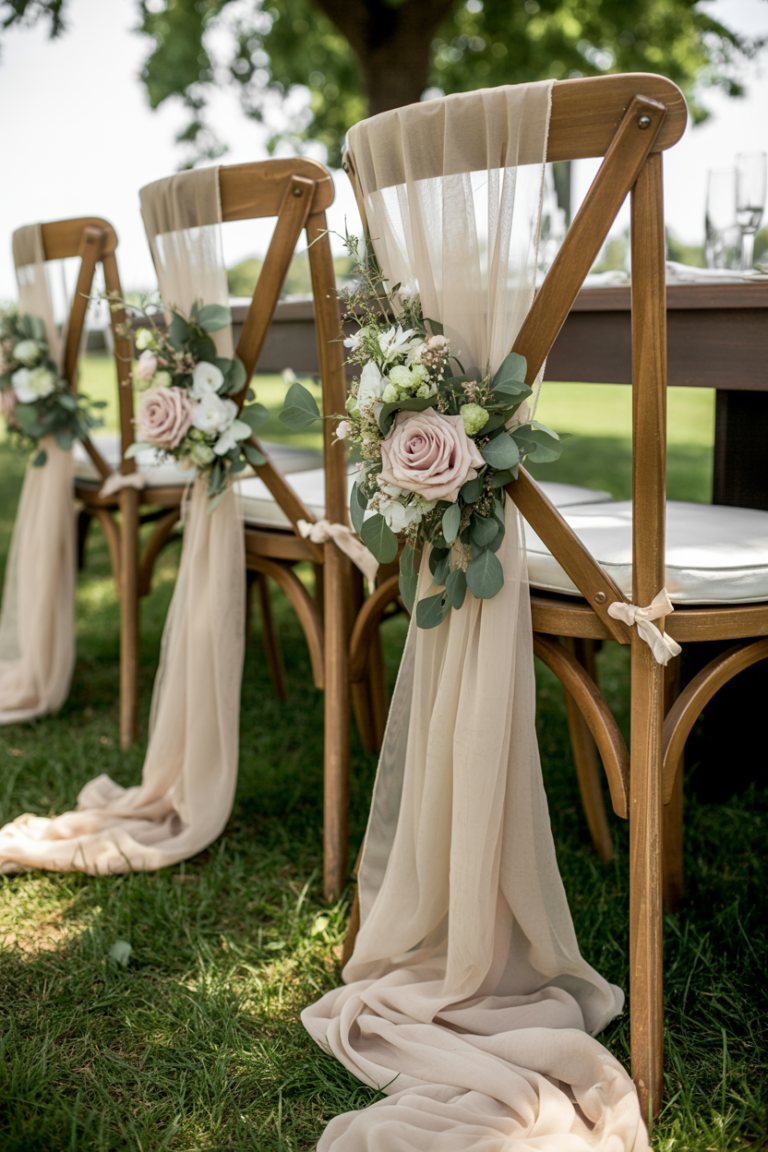
As you evaluate your list, take note of how it fits your overall aesthetic and plans. If you’re leaning toward a warm, earthy celebration, browse ideas like rustic wedding centerpieces or explore thoughtful touches like spring wedding favors to complement your guest experience. These details can help guide decisions about scale and seating.
Run the Real Numbers
Start with cost-per-guest estimates for catering, rentals, stationery, and favors. Multiply these by your current total to understand what your ideal list would cost in practice. A few strategic adjustments now prevent financial stress later and keep your plans rooted in what feels comfortable for both of you.
If you’re looking for ways to control costs without sacrificing style, consider elegant bulk invitation sets or chic printable templates available on Amazon. You can explore options here: wedding invitation sets.
Keep a Buffer (Your Future Self Will Thank You)
A small cushion of 5–10 open seats gives you the flexibility to add unexpected guests later without stress. Bonus: having a buffer can help settle family conversations or accommodate last-minute additions without throwing your budget into chaos.
Create Clear Guest List Rules (And Stick to Them)
Boundaries are essential for keeping your guest list fair, consistent, and drama-free. Setting clear rules early ensures that every decision—from plus-ones to kids—follows a shared framework rather than individual exceptions or emotional responses. These guidelines protect your vision and keep the planning process aligned with what matters most to both of you.
Plus-One Policy Options That Avoid Problems
There’s no one-size-fits-all rule for plus-ones, but consistency is key. Many couples limit plus-ones to married couples, engaged pairs, or long-term partners. Another common approach is offering plus-ones to wedding party members only. Whatever you decide, make it universal to avoid confusion or feelings of unfairness.
If plus-ones begin stretching your numbers too far, a simple, polite response works well: “We wish we could invite everyone, but we have limited space for additional guests.” This keeps your tone warm while firmly maintaining your boundaries.
Kids or No Kids? (And How to Communicate It)
Deciding whether to include children is one of the most common sources of guest list stress. An adults-only wedding is perfectly acceptable, as long as you communicate it clearly. A simple line on the invitation or website—such as “We kindly request an adults-only celebration”—usually prevents misunderstandings.
If you choose to welcome kids selectively, consider offering activities to keep them engaged, like small coloring sets or quiet-time toys. You can find kid-friendly activity packs here: kids’ activity packs.
Handling Family Expectations Calmly
Family requests can add pressure, especially if parents are contributing financially. The best approach is to acknowledge their wishes while staying consistent with the rules you’ve agreed on. Many experts featured in Brides recommend explaining your overall limits—venue, budget, or headcount—and offering a set number of seats each family can allocate as they choose.
When conversations stay grounded in fairness and logistics rather than emotion, it’s far easier to keep the peace and protect the guest list you’ve worked hard to build.
Categorize Guests by Priority to Finalize Your List

Once your rules are set, it’s time to organize your combined list into clear priority tiers. This step turns a messy collection of names into a structured, manageable plan. It also creates transparency for both partners, ensuring every guest is intentionally placed instead of added by default.
Tier 1 – Immediate Family & Lifelong Friends
This group rarely changes. These are the people who have supported you unconditionally, know your story deeply, and will remain part of your lives long after the wedding. They’re your anchors—parents, siblings, best friends, and chosen family. Your celebration would feel incomplete without them.
Tier 2 – Extended Family & Close-but-Not-Core Friends
These guests add warmth and familiarity without being essential to the emotional core of your day. Think aunts, uncles, cousins you see regularly, or long-time friends you cherish but don’t see often. This tier usually shifts based on budget, venue capacity, and how intimate you want your celebration to feel.
Tier 3 – Extras, Acquaintances, and Social Circles
Tier 3 guests are wonderful additions if space allows, but they shouldn’t take priority over your immediate circle. This tier includes coworkers, newer acquaintances, neighbors, or distant relatives you’re not closely connected with. Many couples treat this group as part of their B-list, inviting them as spots open up after RSVPs come in.
Organizing names this way removes guesswork and helps ensure your final list genuinely reflects the people who matter most. It also gives you a clear, drama-free system if you need to make cuts later.
Manage the Guest List Digitally to Avoid Mistakes
Keeping your guest list organized is a lifesaver once invitations, RSVPs, and seating charts enter the chat. Digital tools make it easy to track details without losing information or duplicating work. Whether you prefer spreadsheets or wedding-specific platforms, choose a system you’ll actually use consistently throughout the planning process.
Use Shared Sheets or Wedding Apps
Platforms like Zola and The Knot offer guest list managers that track addresses, RSVPs, meal choices, and seating arrangements all in one place. If you prefer something more customizable, a shared spreadsheet works beautifully—just make sure both partners have editing access. Wedding editors at Martha Stewart Weddings often praise the simplicity and clarity of a well-organized sheet.
Track RSVPs, Meal Choices, and Contact Info in One Place
A consolidated system avoids last-minute chaos when vendors need numbers. Keep everything in a single document or app: mailing addresses, dietary restrictions, RSVP status, and plus-one confirmations. This approach streamlines communication with your caterer, venue, and coordinator.
If you’re managing things offline, a structured physical planner can help keep everything neat and accessible. Explore wedding binders and planning books here: wedding planner binders.
When to Make Cuts (Without Guilt)
Every couple eventually reaches the moment when tough decisions have to be made. Guest lists almost always start larger than intended, and trimming them isn’t a failure—it’s part of creating a celebration that aligns with your vision, budget, and emotional bandwidth. Making edits with purpose ensures that the people present on your day truly reflect your life together.
The “Haven’t Talked in a Year” Rule
This guideline is both simple and effective: if you haven’t had a real conversation with someone in the last year, they may not need to be on your list. Weddings are intimate chapters, and your guest list should reflect your current relationships—not every relationship you’ve ever had.
The “They Don’t Know Your Partner” Rule
If a guest doesn’t know your partner at all, that’s often a sign the connection may be too distant. While every couple has outliers, this filter helps clarify who is genuinely part of your shared life and who feels more like a link to your past.
The “Would You Buy Them Dinner?” Test
Picture taking this person out for a nice meal and picking up the tab. If that idea feels uncomfortable or unaligned with your relationship, they might not belong on your wedding list. This test offers a practical way to assess how close or meaningful a connection actually is.
These filters aren’t meant to be harsh—just realistic. They help you stay grounded in your priorities and craft a guest list that feels intentional, warm, and fully representative of your life today.
Communicating Decisions With Grace
Clear communication prevents misunderstandings and keeps relationships intact as you finalize your list. Even when the conversations feel delicate, approaching them with honesty, kindness, and confidence sets the tone. Most guests simply appreciate transparency, and framing decisions around logistics—not emotions—keeps the peace beautifully.
When Parents Want to Add Guests
Parents often have their own ideas about who “should” be invited, especially if they’re helping financially. A respectful, structured response works best: “We’d love to include everyone, but the venue caps us at ___ guests. We can offer you ___ spots to use however you’d like.” This gives them a voice without giving them control of the entire list.
When Friends Expect a Plus-One
Most people understand limits once they’re explained clearly. Try wording like, “We’re keeping things intimate and aren’t able to extend additional plus-ones beyond our established list.” Keeping it brief avoids over-explaining or inviting negotiation.
When Someone Assumes They’re Invited
This is an awkward moment for nearly every couple. Protect your boundaries gently with something like, “We wish we had space for everyone, but we’re keeping the wedding small.” It’s honest, kind, and reinforces that the decision is logistical, not personal.
As you refine communication, keep your larger aesthetic and planning approach in view. If you’re finalizing reception details, browse inspiration like modern wedding cakes to keep the planning energy positive and forward-focused.
Send Invitations With Clear Details to Reduce Follow-Up Questions
Your invitations set expectations before the celebration even begins. Clear, polished details prevent confusion, reduce day-of questions, and keep your inbox from overflowing. When guests know exactly what to expect, they’re far more likely to follow your RSVP timeline, respect your policies, and arrive prepared for your celebration.
What to Include on the Invitation
Every invitation should feature the essentials: ceremony location, reception details, date, start times, and a firm RSVP deadline. If you’re planning a dress code or hosting parts of the day at multiple venues, list those clearly. A straightforward invitation signals organization and keeps your wedding communication running smoothly.
Use Your Wedding Website for Extras
Your wedding website is the perfect place to host additional information without overcrowding the invitation. This includes transportation details, accommodation recommendations, registry links, FAQs, kids’ policy reminders, and your plus-one guidelines. Direct guests there for everything beyond the basics—it keeps the invitation elegant and the information accessible.
If you’re elevating your stationery, consider adding stylish envelope liners or decorative touches. You can browse options here: envelope liners.
Final Pre-Wedding Review: Who’s Actually Coming?

As RSVPs roll in, your guest list shifts from theoretical to final. This stage is all about confirming numbers, adjusting seating arrangements, and communicating final counts to your vendors. Most couples see a handful of late replies or last-minute changes, so building in a bit of flexibility keeps everything running smoothly without disrupting your plans.
Confirming Down to the Last RSVP
Expect a small group of guests who respond after the deadline—it’s practically a wedding tradition. Follow up gently, ideally with a quick message or phone call. Keeping your RSVP tracker updated allows you to finalize headcounts for catering, rentals, and seating without last-minute stress.
Adjust Seating and Favors
Once attendance is locked, organize your seating chart and adjust your favors accordingly. If you’re offering personalized or seasonal favors, browsing ideas such as spring wedding favor ideas can help ensure everything feels cohesive and intentional. Aim to complete this stage at least a week before the wedding for a calmer, more focused final countdown.
With your final numbers set, you can shift your attention to enjoying the celebration ahead and trusting the thoughtful planning that brought you here.
Wedding Guest List FAQ
Even with a strong system in place, guest list questions always pop up. These answers help you navigate the most common scenarios with confidence, clarity, and calm.
How do we decide on a guest count that fits our budget?
Start by calculating your cost per guest—catering, rentals, seating, stationery, and favors all add up. Once you know the per-person estimate, you can reverse-engineer a realistic guest cap. Most couples find that setting this limit early prevents financial stress and shapes the guest list with purpose.
How do we limit our parents’ guest requests without causing conflict?
Be respectful and transparent. Explain your venue capacity and overall guest goals, then offer each family a set number of seats they can allocate. This approach keeps things fair and avoids the feeling that one side is getting preferential treatment.
Should all wedding party members automatically get plus-ones?
It’s common, but not mandatory. Many couples extend plus-ones to wedding party members as a courtesy—after all, they’re dedicating time and energy to your day. Still, if budget or space is tight, consistent rules take priority over etiquette traditions.
What’s the best way to say “no kids”?
Clarity is more important than creativity. A simple line such as “We kindly request an adults-only celebration” works well. Reinforce this on your wedding website to avoid misunderstandings and keep conversations smooth.
How do we handle coworkers?
You have two clean choices: invite everyone or invite none. Both are socially acceptable. If you choose to invite coworkers selectively, be consistent and avoid discussing your wedding too openly at work to minimize awkward moments.
Is it rude to have an A-list and B-list?
Not if you manage your timing well. Send A-list invitations early, and B-list invitations right after you start receiving declines. When handled discreetly, no one knows how the list was structured—and your guest count stays balanced.
How do we avoid hurt feelings when making cuts?
Framing decisions around logistics—venue size, catering, budgeting—keeps emotions out of it. Most guests understand practical limits, especially when your tone stays warm and honest.
What if someone asks to bring extra guests?
A simple, firm response usually resolves it: “We’re so excited to celebrate with you, but we’re unable to accommodate additional guests.” Keeping it brief avoids opening the door to negotiation.
Can we invite someone to the ceremony but not the reception?
Most etiquette experts recommend avoiding this, as it can feel exclusionary. If you must split events due to space limitations, be honest and make sure the communication is handled gently and thoughtfully.
Save this guide to your Wedding Planning board on Pinterest so you can revisit these guest list strategies anytime—especially when the decisions get tricky.
Conclusion
Creating your wedding guest list doesn’t have to feel overwhelming or emotional—it simply needs structure, clarity, and a shared vision.
When you set thoughtful rules, communicate openly, and keep your priorities at the heart of every decision, the entire process becomes far more manageable.
Your guest list should reflect the life you’re building together, honoring the people who genuinely support and celebrate your journey.
With these strategies in place, you can move forward confidently, knowing your day will be filled with the right people, the right energy, and the right intentions.





2 Comments