

The Ultimate Wedding Budget Blueprint
Building a wedding budget is the moment everything becomes real—your guest list, your venue dreams, the look and feel of the day you’re crafting. It’s also where the numbers start adding up fast.
A thoughtful wedding budget breakdown gives you clarity from the start, showing exactly what to spend and where so you can prioritize what matters, cut what doesn’t, and design a celebration that feels intentional instead of overwhelming.
This wedding budget guide is part of our complete wedding planning resource, designed to help couples avoid costly mistakes and plan their wedding finances with clarity and confidence.
This post may contain affiliate links, please refer to privacy policy for more information.
How to Build Your Wedding Budget From the Ground Up

Your wedding budget isn’t just a number—it’s the foundation of every decision that follows, from how many guests you can invite to the type of venue you can realistically book. The smartest place to start is with your total comfortable spend, then break it down category by category.
Guest count should be your anchor—food, drinks, rentals, and even décor are all tied directly to how many people you host. Once you know your number, outline your non-negotiables: a dream venue, a phenomenal photographer, or a signature floral moment. Everything else gets shaped around those priorities.
Tools help keep the process organized. A simple shared spreadsheet works, but many couples prefer a dedicated planner or budgeting notebook to track payments, compare vendor quotes, and store inspiration in one place—options like a wedding planning binder keep things structured without adding stress.
Keep in mind that regional pricing, seasonality, and whether your venue is all-inclusive or DIY will affect your numbers dramatically. If you’re still exploring design direction, use inspiration boards to guide your priorities—our Rustic Wedding Centerpieces is a chic starting point for couples embracing organic, romantic textures.
The Standard Wedding Budget Breakdown (By Percentage)
Industry experts generally agree on a core set of percentages that help couples allocate their budget with confidence. These ranges, reflected in guidance from trusted sources like Brides, Martha Stewart Weddings, and The Knot, offer a realistic starting point—one you can adjust based on your priorities, guest count, and the cost of vendors in your region.
Below is a clear breakdown of how most couples distribute their wedding budget, with insight into what drives costs up (or down) within each category.
40–50%: Venue, Catering & Bar
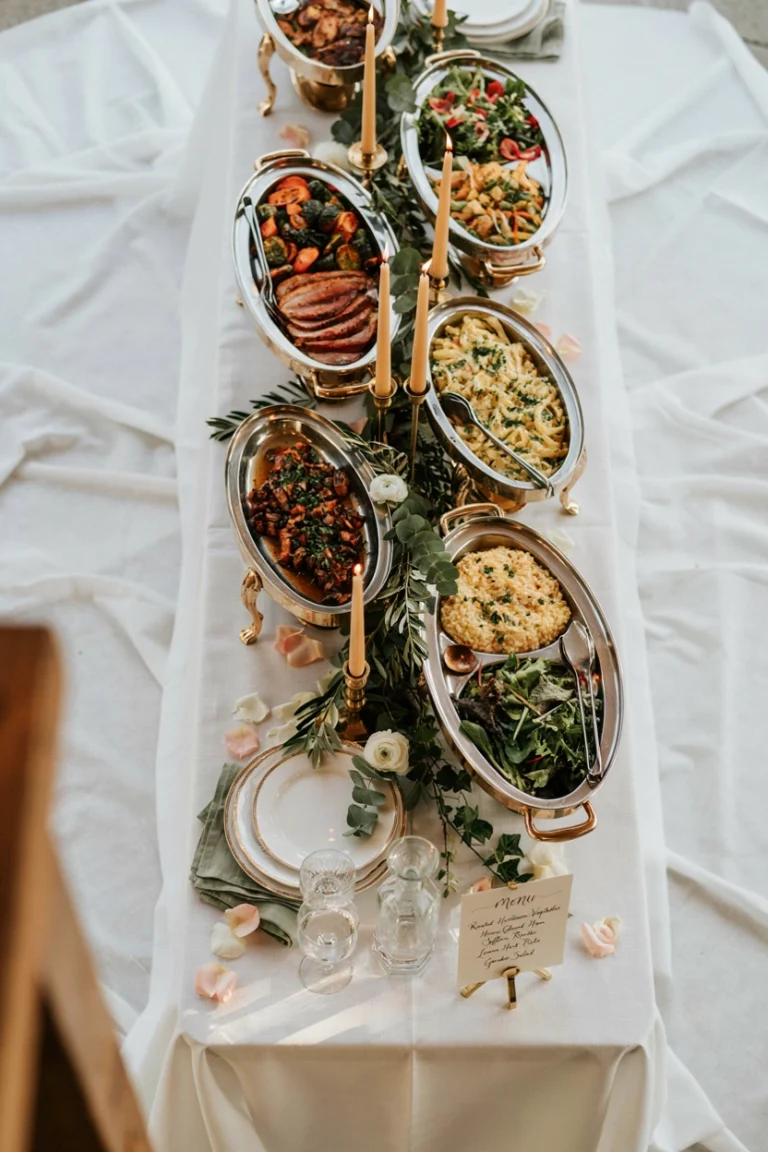
This is your biggest expense for good reason—it shapes the experience, atmosphere, and comfort of your guests. All-inclusive venues often simplify your budget by bundling catering, bar service, furniture, and staff. DIY or raw spaces may seem more affordable, but rentals, staffing, and equipment add up quickly. Your guest count is the primary cost driver here.
10%: Photography & Videography
Your photos and film are the only elements that truly last beyond the day, which is why investing here is almost always worth it. Costs rise with experience, editing style, second shooters, and additional hours. This is one of the most common and most justifiable splurge categories.
10%: Flowers & Décor
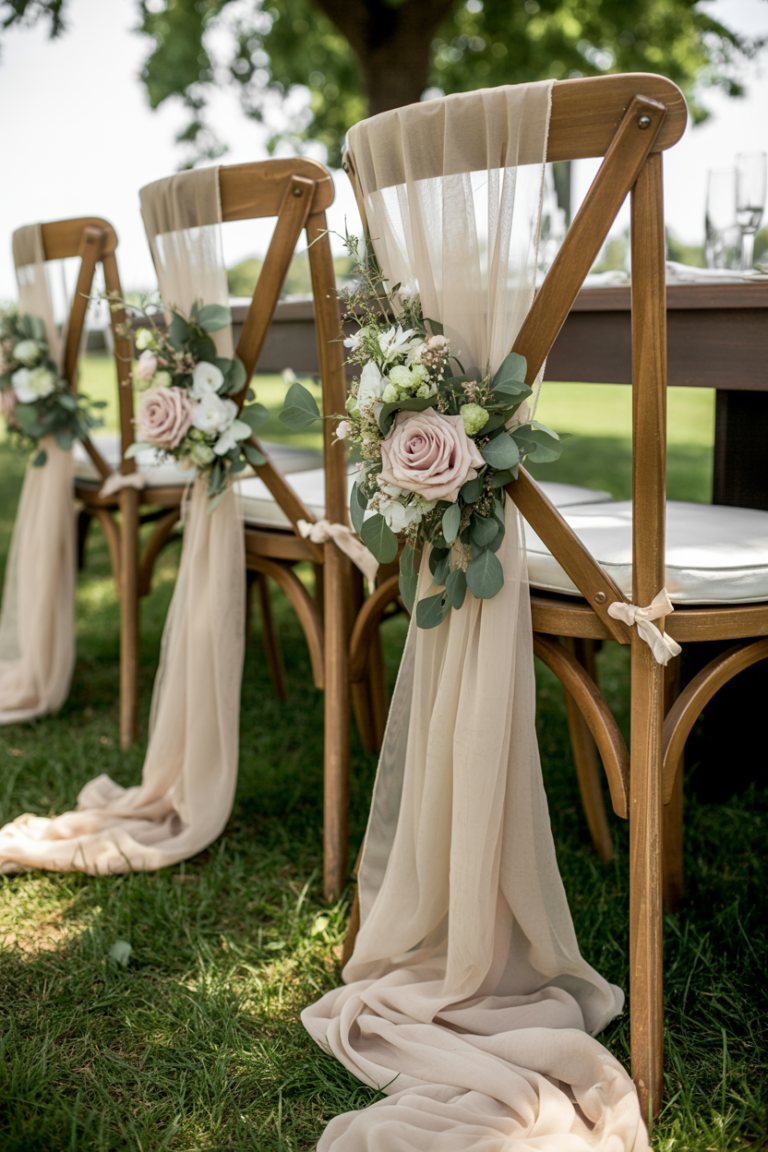
From ceremony arches to elegant centerpieces, florals make a massive visual impact. Pricing increases for premium blooms, large-scale installations, and intricate design work. Repurposing ceremony pieces during the reception helps stretch your investment. Browse ideas like Blush Pink Wedding Ideas for color palettes and inspiration that photograph beautifully without overextending your budget.
10%: Wedding Attire & Beauty
This includes your dress or suit, tailoring, shoes, accessories, hair, and makeup. Alterations often surprise couples—build a buffer for multiple fittings. For getting-ready comfort, items like a quality handheld garment steamer ensure your outfit looks flawless the moment you slip it on.
8–12%: Wedding Planner or Day-of Coordinator
Planners offer far more than checklists—they negotiate with vendors, manage timelines, coordinate logistics, and protect your vision from start to finish. Their insight can also help you avoid costly mistakes. Even a month-of coordinator brings invaluable support as the day approaches.
5–8%: Entertainment
Whether you envision a DJ, a band, or live musicians for the ceremony, music sets the tone. Live performers generally cost more, and additional elements like lighting, staging, or separate ceremony sound systems can add to your total.
3–5%: Invitations, Stationery & Signage
This category covers save-the-dates, invitations, programs, menus, escort cards, and signage. Digital save-the-dates help lower costs, while couples who prioritize design may choose elevated paper stocks or calligraphy. Acrylic stands or frames—like these acrylic sign holders—offer a polished, modern look without a high price tag.
3–5%: Cake & Desserts
Your cake budget depends on the number of tiers, design complexity, and whether you’re adding a full dessert table. Some couples opt for a small display cake and sheet cakes behind the scenes to keep costs efficient. Explore style inspiration in our Modern Wedding Cakes guide.
2–3%: Transportation
Shuttles, limousines, vintage cars, or private ride services may be necessary depending on your venue’s location. Costs rise with distance, fleet size, and multiple pick-up points.
2–3%: Miscellaneous & Emergency Buffer
Every wedding benefits from breathing room in the budget. Use this buffer for last-minute attire fixes, vendor add-ons, gratuities, or décor needs you didn’t anticipate. A small cushion keeps your final weeks calm instead of chaotic.
Where to Splurge for Maximum Impact

Not every category needs a luxury allocation, but there are a few investments that consistently elevate the wedding experience. These splurges deliver the highest emotional and visual payoff, whether you’re hosting an intimate celebration or a full-scale event. Think of them as the elements that define the feeling of your day—not just the logistics.
Photography That Stands the Test of Time
Your photos are your legacy items, which is why experienced photographers are worth every penny. Their eye for lighting, composition, and storytelling ensures your images remain beautiful decades later. Additional services like second shooters and extended hours are smart add-ons if your timeline is full and fast-paced.
A Skilled Planner or Day-of Coordinator
A great planner is the quiet anchor of a well-run wedding. They refine schedules, manage vendors, solve problems discreetly, and make sure your design vision stays cohesive. Couples often find that planners reduce stress while protecting the budget by steering them away from unnecessary upgrades or high-pressure sales tactics.
A Venue with Built-in Style
Paying a little more for a venue that already offers beautiful lighting, stylish seating, landscaped outdoor areas, or architectural charm can reduce your décor spend dramatically. When the bones of the space are strong, you can focus on a few high-impact pieces rather than filling gaps with rentals or florals.
High-Impact Floral Moments
You don’t need flowers everywhere—just in the right places. A dramatic ceremony arch, an elevated head table display, or lush aisle arrangements instantly elevate the room. If you’re exploring soft, romantic palettes, our Blush Pink Wedding Ideas offers beautiful inspiration that photographs well without excess filler florals.
A Statement Wedding Cake
The cake is more than dessert—it’s a décor element that anchors your reception. Intricate sugar flowers, textured buttercream, or sculptural tiers require artistry, which is why these designs come at a premium. If your style leans modern and editorial, browse the looks featured in Modern Wedding Cakes for ideas that turn your cake into a true centerpiece.
Details That Elevate the Getting-Ready Experience
The morning of your wedding sets the tone for the entire day. Investing in comfort and efficiency—such as a high-quality garment steamer, custom robes, or chic vow books—keeps everything calm, smooth, and photo-ready from the moment you start getting ready.
Where to Save Without Sacrificing Style

Saving money doesn’t mean settling. The most stylish weddings are often the ones with the sharpest edits—fewer guests, fewer distractions, and design choices that feel thoughtful instead of crowded. These cost-smart strategies help you stay on budget while still creating a celebration that looks polished, modern, and beautifully curated.
Edit the Guest List First
No budget decision has more impact than guest count. Every additional person affects catering, rentals, invitations, favors, and space requirements. Keeping your list intimate gives you more flexibility everywhere else, allowing you to splurge where it counts.
Choose In-Season or Abundant Florals
Working with blooms that are naturally in season or readily available lowers costs without limiting beauty. You can also rely on greenery-forward designs, elegant bud vases, and streamlined palettes that look intentional and elevated. For inspiration that leans romantic without becoming expensive, explore Blush Pink Wedding Ideas.
Repurpose Your Ceremony Florals
Anything displayed at the ceremony should make a second appearance at the reception. Aisle arrangements become centerpiece accents, altar pieces move behind the sweetheart table, and large installations can frame your cake or photo area. It’s the easiest way to extend the impact of what you’ve already paid for.
Keep Linens Simple
Venues often include basic linens, and leaning into clean, neutral foundations keeps your tablescape looking timeless. Add personality through candles, greenery, or textured runners instead of investing heavily in custom linens.
Embrace Digital Save-the-Dates
Digital announcements save time, printing costs, and postage, while still feeling polished when designed well. Reserve your paper budget for the pieces guests see up close—menus, place cards, and signage.
Consider a Dessert Table Instead of a Multi-Tier Cake
Beautiful dessert spreads often cost less than a large designer cake and offer more variety for guests. A small display cake paired with sheet cakes behind the scenes gives you photo-worthy moments without the premium price tag. For minimalist dessert inspiration, browse Modern Wedding Cakes.
Decorate Strategically
Focus décor in the areas that matter most: your ceremony space, entrance moments, key tables, and photo spots. Items like LED taper candles, modern vases, or simple cylinder sets offer a luxe look for less—and become useful home décor after the wedding.
Thoughtful, Budget-Friendly Favors
Guests appreciate favors they’ll actually use: sweets, soaps, candles, or seeds. Buying in bulk and assembling them yourself keeps the cost low and the gesture personal. For spring ceremonies, our Spring Wedding Favor Ideas has stylish inspiration that works across many budgets.
Real Numbers: What Couples Actually Spend Today

Wedding costs vary dramatically depending on location, season, and scale, but most couples fall into a few predictable spending ranges. Industry insights from publications like Brides and The Knot show that weddings today often land anywhere between modest, mid-range celebrations and fully tailored luxury events. The range is wide because the choices are wide—guest count, venue type, and décor style shape the final number far more than tradition or expectation.
Across many regions, a full wedding for 100–150 guests often averages between mid-five figures, especially when factoring in catering, bar service, photography, attire, and décor. Smaller or off-peak weddings can come in significantly lower, while city-center, resort, or premium properties naturally push the budget higher. What matters is not the “average” but how your allocations match your priorities. If florals are your signature moment, you’ll lean more heavily into design; if experience and ambience matter most, entertainment and food take the lead.
A Sample Budget for a 50-Person Wedding
Smaller weddings shift the distribution: catering and bar costs drop, décor becomes more focused, and couples can splurge on statement elements without ballooning the total. A realistic 50-person wedding might range from a simple $8,000–$15,000 celebration to a polished $20,000–$35,000+ event depending on the venue and finishes. The intimacy allows more room for tailored experiences—chef-driven menus, elevated floral design, or a premium photographer.
A Sample Budget for a 100–150 Guest Wedding
Most full-scale weddings fall here. Expect catering and bar to take up the largest portion of the budget, with venues charging per guest, per hour, or based on menu style. Total budgets commonly range from $25,000 to $45,000+ for mid-range markets, and substantially higher in major metro areas. This size offers balance: enough people to fill a room and create energy, while still allowing for strong design moments without excessive spending.
What a Luxury Wedding Looks Like
For couples prioritizing couture attire, full floral installations, multi-day celebrations, premium venues, and high-end production, luxury weddings easily surpass the six-figure mark. These celebrations are defined by customization—editorial photography, bespoke décor, sculptural cakes, and immersive guest experiences. For inspiration that leans modern and refined, explore the sculptural designs in Modern Wedding Cakes.
Regardless of scale, the smartest strategy is staying close to your original allocations and adjusting only when you have a clear reason to upgrade. Flexibility keeps the process calm, while structure keeps the budget on course.
Budget Red Flags to Watch For

Even the most organized couples run into unexpected costs, usually because details hide in the fine print. Knowing the red flags early helps you protect your budget from surprise add-ons and last-minute stress. These are the areas where couples most commonly overspend without realizing it.
“Too Good to Be True” Venue Packages
Venues that advertise all-inclusive pricing sometimes leave out key essentials like upgraded linens, late-night service, premium chairs, or ceremony fees. Always request a full itemized breakdown so you understand exactly what the package covers—and what it doesn’t.
Vendor Minimums
Some florists, caterers, and photographers require minimum spends or minimum hours, which can push you above your projected totals. These policies aren’t red flags on their own—just make sure they match your needs so you’re not paying for more than you’ll use.
Hidden Service Charges & Fees
Taxes, gratuities, cake-cutting fees, corkage fees, overtime charges, early set-up fees, and delivery costs can all pop up late in the planning process. Always ask vendors for a complete list of potential charges so nothing surprises you in the final invoice.
Alteration Costs for Attire
Bridal alterations are rarely included in the dress price, and they can add several hundred dollars to your final total depending on fit, fabric, and complexity. Build an alteration buffer into your dress budget from the start to avoid last-minute surprises.
Décor Rentals That Add Up Fast
Chairs, chargers, upgraded flatware, lighting, and lounge furniture are beautiful—but they’re also some of the quickest costs to escalate. Before committing, explore whether your venue offers high-quality basics. Designing around what’s included helps you reduce the amount of rented décor while still achieving your aesthetic vision. For elegant yet budget-friendly ideas, browse Rustic Wedding Centerpieces.
Last-Minute Add-Ons
Things like extra floral stems, extended videography hours, or additional transportation stops feel small in the moment, but they add up quickly. Keep a clear process for approving upgrades, and make sure both partners understand the final total before saying yes.
Spotting these red flags early gives you room to adjust, negotiate, and re-allocate—keeping your budget stable from the moment you book your vendors to the final payment.
How to Track Spending & Stay on Budget (Without Losing Your Mind)

Once your allocations are set, the real work begins: tracking payments, comparing quotes, and making sure every decision fits your plan. Staying organized isn’t glamorous, but it’s the easiest way to avoid runaway spending. With the right system in place, you’ll keep your finances steady while staying fully focused on the celebration you’re designing.
Create a Centralized Budgeting System
A shared Google Sheet or budgeting app keeps both partners aligned, especially when vendors require deposits at different times. If you prefer a tactile system, a structured wedding budget planner helps you track payments, deadlines, contact info, and contracts in one place. Choose a method that feels natural—you’ll stick to it more consistently.
Request Itemized Quotes from Every Vendor
Itemized proposals allow you to compare vendors accurately. They show exactly what you’re paying for and reveal areas where you can adjust without compromising quality. Whether it’s trimming an hour of music or simplifying a floral arrangement, itemization helps you make informed decisions.
Schedule Monthly Budget Check-Ins
Wedding spending isn’t linear—some months are quiet, others are deposit-heavy. Reviewing everything monthly keeps you proactive instead of reactive and gives you space to correct course if one category starts edging higher than expected.
Set Payment Reminders
Most vendors require staggered payments leading up to the wedding. Adding due dates to your calendar prevents late fees and eliminates stress in the final stretch. Many couples also set aside a separate wedding account to keep expenses from blending into everyday spending.
Use Your Vision to Guide Decisions
Whenever you’re torn between a few options, return to your vision board or mood inspiration. A cohesive aesthetic is often the simplest way to avoid unnecessary upgrades. If your style leans organic and romantic, ideas like those in Rustic Wedding Centerpieces help keep décor choices streamlined and aligned with your theme.
Build a Small Emergency Buffer
No matter how well you plan, something unanticipated will come up—an extra shuttle, a pressed boutonniere, or last-minute weather adjustments. A small buffer, even 2–3% of your total budget, prevents these surprises from derailing your financial plan and keeps the planning process calm and flexible.
With clear systems and shared communication, tracking your spending becomes far less intimidating. Structure turns chaos into clarity—letting your budget support your vision instead of limiting it.
Final Checklist: Your Wedding Budget At-A-Glance

Once your allocations are set and vendors are booked, this streamlined checklist keeps everything on track. It’s a quick reference you can revisit throughout planning—especially when new decisions pop up or pricing starts to shift.
• Confirm your total budget and establish a 2–3% emergency buffer.
• Lock your guest count before touring venues or requesting catering quotes.
• Book your venue and catering team early—they shape the rest of your spending.
• Hire a planner or coordinator if you’re using one, and review their suggested vendors.
• Prioritize the categories that matter most, like photography, florals, or entertainment.
• Compare vendor proposals item by item to avoid hidden fees and misaligned expectations.
• Track deposits, payment schedules, and due dates in a central location.
• Review your budget monthly and adjust allocations as needed.
• Keep décor strategic—focus on ceremony, entrance, and key reception areas.
• Revisit your vision board to stay consistent with your aesthetic as you make decisions.
This simple framework keeps your planning grounded and your spending intentional—so every dollar supports an experience that feels beautifully aligned with your vision.
Frequently Asked Questions
How much should we realistically spend on our wedding?
There’s no universal “right” number—only the amount that aligns with your comfort level and priorities. Most couples base their budget on guest count, venue style, and desired aesthetic. Whether you’re planning something intimate or more traditional in size, clarity comes from setting your total early and allocating smart percentages within it.
What’s the biggest factor that affects overall cost?
Guest count. Every additional person affects catering, bar service, rentals, favors, and sometimes even venue size. Reducing your list by 10–20 guests can free thousands of dollars for photography, florals, or other high-impact elements. This is why luxury aesthetics often start with intentionally intimate celebrations.
How early should we create our wedding budget?
Before touring venues or contacting vendors. A clear budget prevents emotional decisions—like falling in love with a venue that’s double your limit—and helps you prioritize your must-haves from the start. Build the framework first, then tailor it once you begin receiving actual quotes.
Is a wedding planner worth the investment?
Most couples find planners invaluable. They organize timelines, negotiate with vendors, streamline communication, and prevent expensive mistakes. Even a month-of or day-of coordinator reduces stress significantly and helps the entire celebration run seamlessly from start to finish.
Where can we cut costs without making the wedding feel cheap?
Focus on high-impact, low-cost strategies: in-season flowers, streamlined décor, repurposed ceremony arrangements, and a thoughtful guest list. Style comes from clarity, not extravagance—ideas like those in Rustic Wedding Centerpieces show how to create beautiful moments with fewer elements.
What unexpected fees should we be prepared for?
Common surprise costs include gratuities, service charges, cake-cutting fees, corkage fees, early-access or late-night charges, and delivery or setup fees. Ask every vendor for a full list of potential add-ons so you can plan accurately and avoid last-minute shocks.
Is it possible to have a beautiful wedding on a tight budget?
Absolutely. Intentional design choices, curated color palettes, and focused décor make any wedding feel polished. Even simple palettes—like the romantic tones in Blush Pink Wedding Ideas—create elegant visual impact without requiring oversized spending.
How much should we tip our vendors?
Tipping practices vary by region, but many couples follow hospitality standards: 15–20% for catering staff, a flat rate for hair and makeup artists, and optional but appreciated bonuses for planners, photographers, and DJs. Always check contracts first—some vendors include gratuities in their service fees.
What’s the smartest place to start trimming the budget?
Start with guest count, then examine rentals and décor. Reducing your list makes every other line item more manageable. Next, choose décor moments strategically instead of spreading small details across the whole venue. Focused design looks more elevated and keeps spending controlled.
Building your wedding budget is one of the most empowering parts of planning. It gives you clarity, confidence, and control—so every decision supports the experience you truly want. When you understand what to spend and where, your vision becomes easier to execute, your priorities stay focused, and your celebration feels intentional instead of overwhelming. Whether you’re crafting something intimate or planning a full-scale event, this budget breakdown keeps the process steady, stylish, and rooted in what matters most: a day that reflects your love with beauty and purpose.



5 Comments