

How to Plan a Small Destination Wedding (Without It Feeling Complicated)
A small destination wedding isn’t about doing less — it’s about choosing better. Fewer guests. Fewer expectations. Fewer moving parts. What you gain instead is clarity: a celebration that feels intentional, personal, and genuinely enjoyable to plan.
Couples are increasingly trading oversized guest lists for meaningful moments in places that already feel special. A seaside villa. A sun-washed Italian courtyard. A quiet resort where everyone actually knows each other’s names. When you strip away excess, the focus shifts to what matters most: the people, the setting, and the experience you’re creating together.
That said, planning a destination wedding — even a small one — comes with its own set of decisions. Travel logistics, local vendors, legal details, and guest communication all need to work in harmony. The good news? Smaller weddings unlock simpler solutions. You can be more flexible with venues, more intentional with your budget, and far more thoughtful with design.
This post may contain affiliate links, please refer to privacy policy for more information.
What Counts as a Small Destination Wedding?

A small destination wedding typically includes anywhere from 10 to 50 guests, though the exact number matters less than the intention behind it. These weddings are designed around closeness — immediate family, closest friends, and the people who genuinely shape your daily life. It’s not about cutting people out; it’s about creating an environment where every guest feels essential.
Unlike traditional destination weddings that simply relocate a large guest list to a new country, small destination weddings embrace scale as a design choice. Fewer attendees allow for venues that wouldn’t otherwise be possible, from private villas to boutique hotels and intimate estates. The experience becomes less about logistics and more about connection.
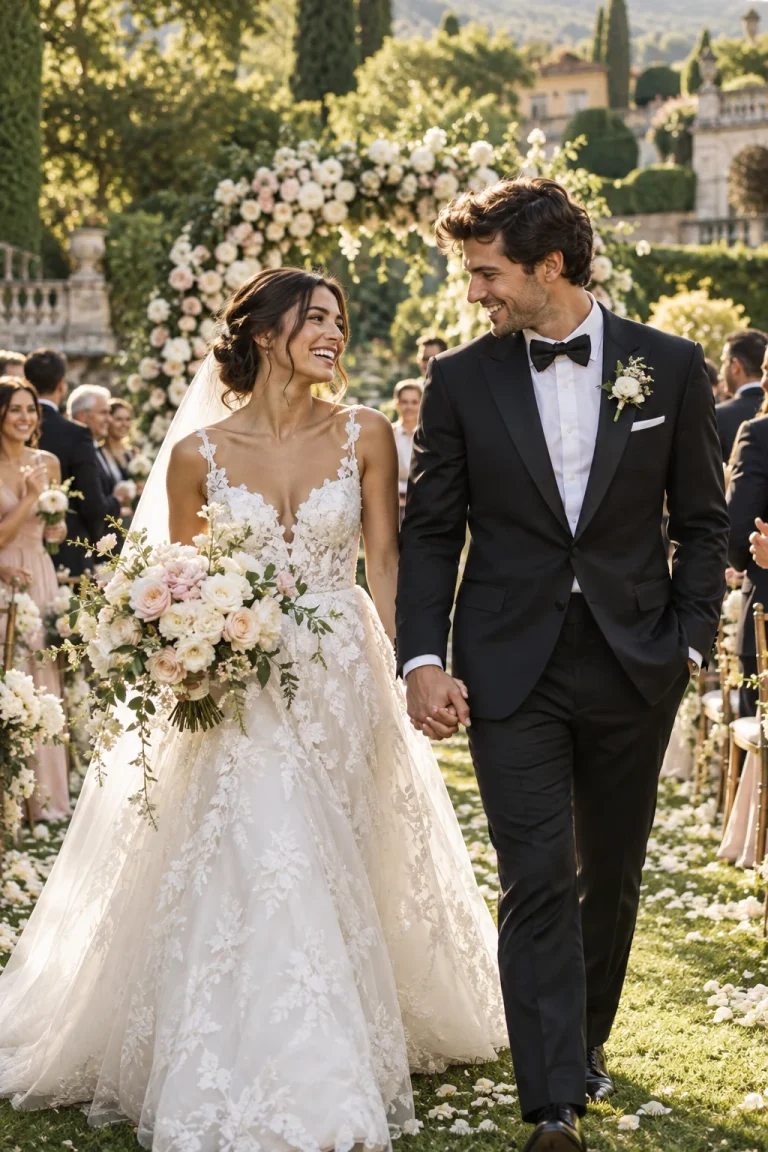
This smaller scale also changes how the wedding feels. Conversations linger longer. Meals become shared experiences instead of scheduled events. Design details — like statement florals or a carefully styled table — carry more impact because they aren’t competing with excess. Thoughtful elements, such as a refined bouquet or intentional color palette, tend to shine more clearly in intimate settings.
At its core, a small destination wedding isn’t defined by numbers. It’s defined by restraint, focus, and the freedom to build a celebration that reflects your priorities — not a template.
Choosing the Right Destination (It’s Not Just About the View)

The destination sets the tone for everything that follows, but the most successful small destination weddings aren’t chosen on aesthetics alone. A stunning backdrop matters, yes — but accessibility, logistics, and guest experience matter more. When travel feels manageable, your guests arrive relaxed, present, and ready to celebrate.
Start by considering how easy it is to get there. Direct flights, short transfers, and reliable infrastructure can make the difference between a joyful weekend and a stressful one. A location that looks incredible but requires multiple connections or long drives often creates friction that lingers throughout the event.
Legal requirements are another quiet but important factor. Marriage laws vary widely by country, and paperwork timelines can quickly complicate planning. Many couples choose to legally marry at home and host a symbolic ceremony abroad, which offers more flexibility without sacrificing meaning.
Finally, think about seasonality and climate. Weather doesn’t just affect photos — it shapes comfort, timelines, attire, and even décor choices. A destination that feels effortless during its shoulder season often delivers better pricing, fewer crowds, and a more intimate atmosphere overall.
The right destination isn’t just beautiful. It works with your priorities, supports your guests, and allows the celebration itself to feel calm, considered, and unforgettable.
Budgeting for a Small Destination Wedding (Where the Money Actually Goes)

A small destination wedding budget works differently than a traditional one, and that’s a good thing. Instead of spreading costs across hundreds of guests, your budget becomes more focused — fewer line items, but higher impact in the places that matter most. The key is understanding where destination weddings naturally cost more and where you can spend less without sacrificing quality.
Travel and accommodations often take up a larger portion of the budget, especially if you’re covering vendor travel or hosting multiple events. On the flip side, smaller guest counts dramatically reduce catering, rental, and staffing costs. That trade-off allows many couples to upgrade their experience — better food, a stronger venue, or design details that would feel out of reach at a larger scale.
Hidden costs are where couples can get caught off guard. Shipping décor internationally, customs fees, local taxes, and currency exchange rates add up quickly. Many planners recommend sourcing as much as possible locally to avoid these issues and to lean into the destination’s natural aesthetic instead of recreating something from home.
With fewer tables to dress and fewer spaces to fill, styling becomes more intentional. A single statement installation, elevated florals, or a thoughtfully designed dessert table often makes a bigger impression than layers of filler décor. In small destination weddings, restraint isn’t a compromise — it’s what allows the budget to work smarter and the celebration to feel refined.
Your Guest List Is the Strategy

For a small destination wedding, the guest list isn’t a secondary step — it’s the foundation of every decision that follows. Once you know who you’re inviting, the rest of the planning becomes clearer. Venue size, budget priorities, event flow, and even décor scale all hinge on the number of people you’re welcoming.
Destination weddings naturally filter attendance, and that’s not something to apologize for. Travel costs, time commitments, and location mean that guests who attend are choosing to be there, not just showing up out of obligation. This creates a more engaged, connected group from the very start.
Clear communication is essential. Guests should understand early that travel is involved, what kind of commitment is expected, and what you’re hosting versus what they’ll need to arrange themselves. Transparency removes pressure and allows people to make decisions without resentment.
With a smaller group, dynamics shift in your favor. Conversations feel easier. Events don’t feel segmented. You’re not juggling multiple social circles at once — you’re sharing a few meaningful days with people who genuinely matter. In a destination setting, that intimacy becomes the defining luxury.
Venue Types That Work Best for Small Destination Weddings

One of the biggest advantages of planning a small destination wedding is access. Intimate guest counts open the door to venues that simply can’t accommodate large celebrations — and often don’t want to. Instead of ballrooms and banquet halls, you can focus on spaces that feel personal, atmospheric, and deeply tied to the location.
Boutique Hotels and Private Villas
Boutique hotels and private villas are ideal for smaller groups because they blend privacy with service. Many allow full or partial buyouts, creating a relaxed, house-party feel while still offering professional staffing. These venues also simplify logistics by keeping accommodations, events, and downtime in one place.
Resorts With Built-In Planning Teams
For couples who want structure without micromanaging, resorts can be an efficient option. On-site planners understand local regulations, vendor relationships, and timelines, which can dramatically reduce stress. Smaller weddings benefit most when couples customize the experience rather than defaulting to large-package templates.
Restaurants, Wineries, and Private Estates
Non-traditional venues often deliver the strongest sense of place. A restaurant known for its cuisine, a winery with outdoor views, or a private estate brings built-in character that requires less décor overall. With fewer guests, these spaces feel intentional rather than constrained — and often create the most memorable celebrations.
The best venue isn’t the biggest or most impressive. It’s the one that fits your guest count naturally and allows the destination itself to do the heavy lifting.
Hiring Vendors From Afar (And Who You Actually Need)

Planning a destination wedding means trusting professionals you may never meet in person until the wedding week — and that’s where clarity matters most. The right vendors don’t just execute your vision; they act as cultural translators, problem-solvers, and on-the-ground support when distance limits your oversight.
A planner or coordinator is the single most important hire for a destination wedding. Local planners understand timelines, permits, labor laws, and vendor norms in ways no remote research can replace. For small weddings especially, a planner helps preserve intimacy by handling logistics quietly in the background.
Most couples benefit from hiring local vendors for florals, rentals, catering, and beauty. These teams know what works in the climate, what materials hold up, and how to source efficiently. Importing large vendor teams often adds unnecessary travel costs without improving results.
There are moments when bringing someone from home makes sense — photographers, stylists, or planners you already trust may be worth the investment. The decision should be strategic, not sentimental. A strong destination wedding vendor team blends local expertise with a few intentional choices, creating an experience that feels seamless rather than overproduced.
Distance doesn’t complicate planning when the right people are in place. It simplifies it.
Décor, Florals, and Styling for an Intimate Setting

Small destination weddings thrive on restraint. When the guest count is limited, every design choice carries more visual weight — which means you can stop thinking in terms of volume and start thinking in terms of impact. The setting already provides context. Your job is to enhance it, not compete with it.
Florals are one of the smartest places to lean into this approach. Instead of spreading arrangements thin across a large space, many couples opt for one or two statement moments: a ceremony installation, a dramatic bouquet, or a thoughtfully styled head table. In intimate settings, these elements read as intentional rather than minimal.
Color palettes also benefit from a smaller scale. Soft neutrals, citrus tones, or destination-inspired hues photograph beautifully when they’re not overused. Let the location guide your choices — coastal blues, sun-washed pastels, or warm Mediterranean tones often feel more authentic than heavily themed décor.
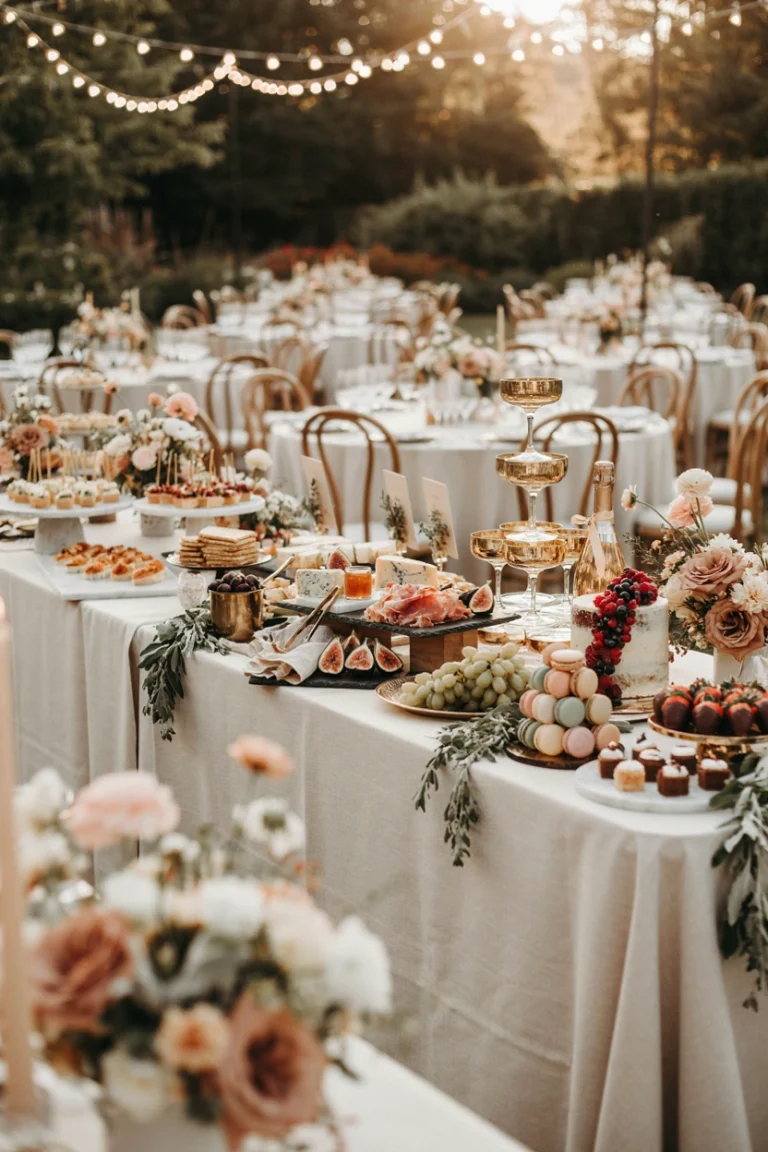
Tablescapes deserve particular attention. With fewer tables to dress, details like linens, glassware, and dessert styling become part of the overall design story. A curated dessert display or a refined place setting often replaces the need for excess signage or decorative extras.
The goal isn’t to decorate every surface. It’s to create a cohesive visual experience where nothing feels accidental — and nothing feels like too much.
What to Pack, Ship, or Buy Locally

When you’re planning a destination wedding, logistics matter just as much as aesthetics. The smartest approach is to be selective about what travels with you and flexible about what can be sourced once you arrive. Overpacking creates stress, while thoughtful editing keeps the experience calm and controlled.
Items that are personal, fragile, or difficult to replace should always travel with you. Wedding attire, accessories, stationery, and sentimental pieces belong in your carry-on or a dedicated garment bag. A structured travel garment bag and a compact travel steamer can be invaluable for keeping everything photo-ready after transit.
Décor is where many couples overshoot. Shipping large installations, signage, or rentals internationally often leads to customs delays and added fees. Whenever possible, rely on your planner and local vendors to source candles, linens, tabletop rentals, and florals on-site. Not only is it easier, it usually looks more cohesive with the setting.
Small essentials are worth packing strategically. A well-stocked bridal emergency kit, a travel jewelry organizer, and protective shoe bags prevent last-minute issues that feel bigger when you’re far from home. These quiet preparations don’t show up in photos — but they make everything run more smoothly.
The rule of thumb is simple: bring what can’t be replicated, and trust the destination to provide the rest. The less you transport, the more present you’ll be.
A Realistic Planning Timeline for a Small Destination Wedding

Small destination weddings often come together more quickly than traditional celebrations, but that doesn’t mean they should feel rushed. A streamlined guest list and fewer moving parts allow for a calmer, more focused timeline — as long as decisions are made in the right order.
Most couples begin planning 12 to 9 months out by securing the destination, venue, and planner. These choices anchor everything else and influence vendor availability, travel planning, and overall budget. Popular destinations and boutique venues still book quickly, even for smaller events.
At the 6-month mark, vendor teams typically come together. Photography, florals, catering, and rentals are finalized, and guest communication becomes more detailed. Save-the-dates or wedding websites help set expectations early and reduce ongoing questions.
The final three months are about refinement, not reinvention. Design details are confirmed, timelines are tightened, and packing plans take shape. Because the guest count is small, RSVPs tend to settle earlier, allowing you to plan with confidence.
In the final weeks, the focus shifts away from planning and toward presence. When the groundwork is done thoughtfully, a destination wedding doesn’t feel like a production — it feels like a gathering.
Common Questions About Small Destination Weddings

Is having a destination wedding inconsiderate to guests?
A destination wedding isn’t inconsiderate when expectations are communicated clearly. Guests understand that travel is involved and can choose whether it works for them. Most appreciate the honesty and the opportunity to turn the celebration into a meaningful trip.
Who typically pays for travel and accommodations?
Guests usually cover their own travel and lodging, while couples host the wedding events themselves. Some couples choose to subsidize group transportation or host a welcome dinner as a gesture of appreciation, but it’s never required.
Is a small destination wedding actually more affordable?
It can be, but affordability depends on priorities. While travel costs increase, smaller guest counts significantly reduce catering, rentals, and staffing expenses. Many couples find they spend the same overall amount — just in more intentional ways.
What if important people can’t attend?
This is one of the hardest parts of destination planning. Many couples choose to livestream the ceremony or host a casual celebration at home later. The key is remembering that presence matters more than perfection.
Do destination weddings need multiple events?
No. While some couples enjoy hosting welcome parties or farewell brunches, a single well-planned event is perfectly acceptable. Smaller weddings often feel more complete without a packed itinerary.
Should you legally marry at the destination?
Many couples opt to handle the legal ceremony at home and host a symbolic celebration abroad. This simplifies paperwork and reduces stress without changing the emotional significance of the day.
Can you still have a bridal party?
Absolutely. Bridal parties are often smaller and more relaxed at destination weddings. Some couples skip formal roles altogether in favor of shared experiences during the trip.
How far in advance should guests be notified?
Destination weddings benefit from early notice. Sharing your plans 8 to 12 months ahead gives guests time to budget, request time off, and make travel arrangements comfortably.
Why Small Destination Weddings Often Feel Bigger Than Traditional Ones
There’s a quiet irony to small destination weddings: by reducing the scale, the experience expands. Without the pressure of entertaining a large crowd or managing rigid timelines, couples are free to be present in a way that’s rare at traditional weddings. Moments stretch. Conversations deepen. The celebration unfolds naturally instead of on cue.
When everyone has traveled intentionally to be there, the energy shifts. Guests aren’t rotating through polite small talk — they’re sharing meals, exploring a place together, and creating memories beyond the ceremony itself. The wedding becomes less of a single event and more of a shared experience.
Design choices also feel more meaningful at a smaller scale. Florals aren’t filler. Tables aren’t an afterthought. Each element has room to breathe, and nothing feels lost in the crowd. The destination provides context, while your choices add personality.
Ultimately, small destination weddings succeed because they align effort with impact. Instead of trying to impress everyone, you’re investing in the people and moments that matter most. The result isn’t quieter — it’s richer, more intentional, and often far more memorable than anything larger ever could be.
Save This Guide for Planning Inspiration
Planning a destination wedding comes with a lot of moving parts, and having the right guidance on hand makes all the difference. Save this guide on Pinterest so you can revisit it as you compare destinations, refine your guest list, and make design decisions that feel true to you. Thoughtful planning leads to effortless celebrations — and this is where it starts.




One Comment