Bright Magenta Wedding Cake Ideas
Bright magenta wedding cake ideas aren’t for the faint of heart. They’re for couples who understand that weddings aren’t just celebrations—they’re statements. Where soft blush tones whisper romance, magenta and fuchsia declare it boldly, wrapping every guest in unapologetic color and confidence. These cakes don’t hide on a dessert table; they command the moment, becoming the art piece everyone photographs before they even sit down.
Across modern galleries, estate gardens, and destination rooftops, magenta cakes are showing up in editorial features from luxury wedding outlets like Brides and Martha Stewart Weddings. They’ve become the vibrant counterpart to the minimalist trend: sleek silhouettes, couture sugar florals, gilded accents, and ombré buttercream textures that look like brushstrokes on canvas. In a sea of white-tiered tradition, these cakes offer something very different—an expression of personality, a celebration of vivid joy, and a promise that your wedding design won’t fade into the background.
Whether you’re planning a sleek city ceremony, a sun-drenched beach wedding, or a whimsical garden reception, magenta is the color that meets your venue with energy and intensity. It spots beautifully in photography, pairs effortlessly with tropical florals, and creates unforgettable contrast against black, white, or metallic décor. From couture minimalism to maximalist sugar blooms, you’re not just choosing a cake—you’re choosing the centerpiece of your celebration.
This post may contain affiliate links, please refer to privacy policy for more information.
Modern Magenta Cakes With Clean Lines

When the color itself is the drama, the silhouette should be the restraint. A bright magenta wedding cake with a perfectly smooth buttercream finish, sharp tiers, and a modern acrylic base feels editorial in the way a striking evening gown does—no frills, no distractions, just pure confidence. This style works beautifully in industrial loft venues, art galleries, and black-tie receptions where visual clarity is part of the design language. Instead of competing with décor, the cake becomes a sculptural object that stands on its own.
The secret to minimalism is texture control. Matte buttercream or satin fondant gives magenta a fashion-forward edge, especially when paired with subtle metallics—think fine gold edging or a whisper of silver leaf cascading along a single seam. Brides and stylists often draw inspiration from sleek design features showcased by publications like Brides, where restraint isn’t about doing less—it’s about showing intention. One bold color, one refined silhouette, and a presentation that tells your guests: we didn’t come to play.
Display choices make or break this approach. A tall two-tier cake on a clear acrylic stand feels weightless, allowing the magenta to float above your tablescape. For a more dramatic presence, opt for a slim three-tier design with uniform height and a low-profile base to elongate the vertical lines. Pair it with black escort cards, crystal champagne flutes, or a modern cake knife to maintain cohesion. Minimalist doesn’t mean sparse—it means every detail has earned its place.
Styling tools: An acrylic cake stand to create a gallery-inspired display, a fondant smoothing tool for seamless edges, and edible gold leaf sheets for refined accents. Pair this section with your editorial on contemporary silhouettes via Modern Wedding Cakes to help couples explore structure beyond color.
Sugar Flowers in Fuchsia and Magenta

A magenta cake dressed in couture florals is the visual language of luxury. Rather than scattering blooms across tiers, wedding designers build fuchsia sugar flower cascades that mimic the grand bouquets seen in ceremony arches and aisle décor. Full-bodied peonies, ranunculus, dahlias, bougainvillea, and tropical orchids give depth and dimension, creating a sculptural movement from top tier to base. It’s a look that belongs to the bride who wants guests to gasp—not politely admire.
Botanical cakes thrive when there is harmony between wedding floristry and dessert artistry. Stylists often pull inspiration from editorial sources like Martha Stewart Weddings, where floral balancing—density, scale, and shape—is treated like haute couture. Oversized blooms at the peak, medium florals across the mid-tier, and delicate buds toward the base create a gradient that feels intentionally curated, never cluttered. The result is dramatic and elegant, almost as if the cake itself is blooming.
Flavor pairings should support the visual narrative. Raspberry-rose buttercream, guava mousse, or lemon chiffon interiors echo the vibrancy of magenta without overpowering the palate. If your venue leans coastal or tropical, a passionfruit or coconut filling deepens the sensory experience and aligns beautifully with bold florals. Think about how the first slice photographs: reveal a bright-pink interior, or keep it light and citrus for contrast against the saturated exterior.
Tools: A professional sugar flower kit for realistic petals, edible pearl dust to highlight edges and veins, and food-safe floral wire cutters for secure placement. Couples inspired by garden or enchanted styles will also find a natural progression into Fairy Wedding Cake concepts.
Magenta Cakes Inspired by Palm Springs, Riviera Maya, and Island Venues

Bright magenta isn’t just beautiful in tropical destinations—it is magnetic. In sun-drenched settings, the color behaves like a spotlight, cutting through natural light and lush greenery with confidence. A fuchsia or magenta wedding cake placed against bougainvillea walls, palm arrangements, or white stucco becomes instant editorial material. It’s the visual equivalent of a couture resort dress: bold, sculptural, and impossible to ignore.
The design language in tropical weddings leans bolder than in ballroom or estate settings. Think hand-painted hibiscus, sculptural fondant palm leaves, and botanical accents that look curated rather than casual. Bougainvillea is the star: its intense saturation mirrors magenta so seamlessly that the cake reads like a living installation. Publications such as Brides regularly highlight this kind of venue harmony—the cake isn’t ornamental, it’s a continuation of the ceremony’s floral story.
Flavor is where tropical cakes earn their depth. Guava mousse layered between lemon sponge gives color and brightness; passionfruit curd in tall tiers adds acidity; coconut chiffon reads elegant rather than beach-party kitschy. Texture matters here too: matte buttercream absorbs light, while glossy fondant reflects it—choose based on the time of day and whether your reception is outdoors or candlelit. For destination weddings, remind your baker to test structural stability; humidity can warp delicate florals and soften buttercream faster than you’d expect.
Helpful tools: A cake airbrush kit for watercolor gradients, edible pressed florals to layer on buttercream, and a professional cake turntable for smooth application on taller tiers. Couples drawn to sun-kissed palettes should also explore Beach Wedding Cake concepts to align décor, florals, and dessert into one cohesive experience.
Couture Pops & Miniatures

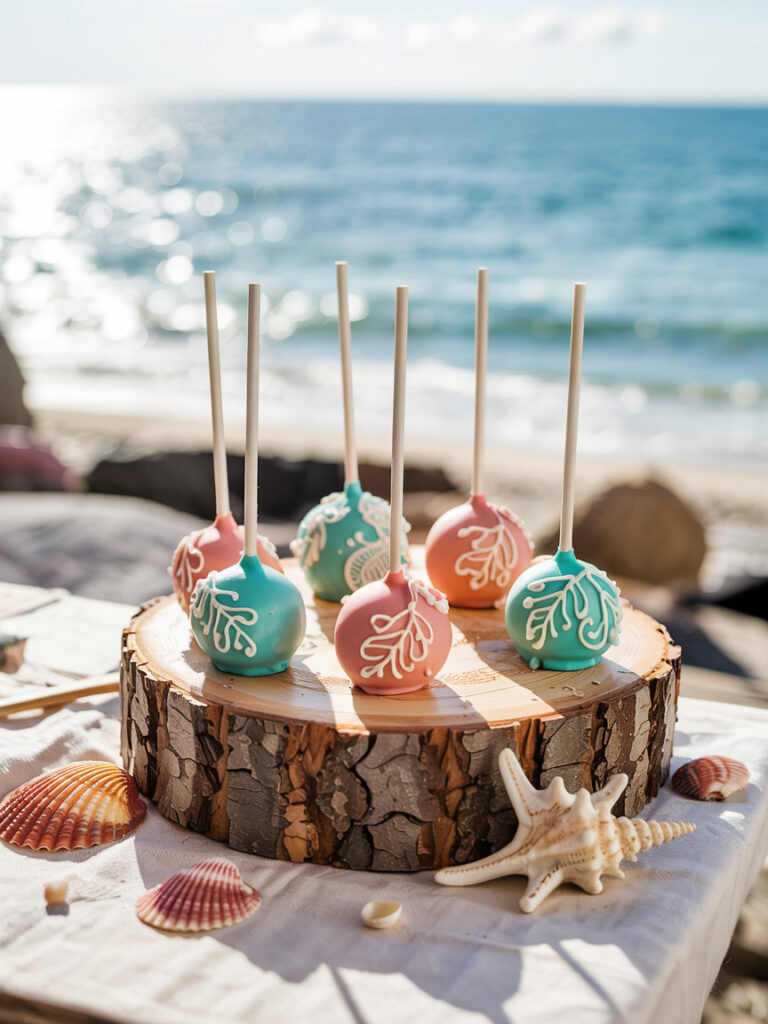
There’s a reason magenta and fuchsia shine in small formats: high saturation thrives on small surfaces. Wedding cake pops, mini tiers, and elegant dessert bites let couples make a statement without committing to a tall multi-tier centerpiece. When executed with couture precision—glossy fondant coatings, ombré gradients, or pearl-dusted finishes—these desserts read less like novelty and more like designer jewelry on a curated table.
Instead of thinking of cake pops as “cute,” think of them as gallery objects. Display them on mirrored trays, marble slabs, or sleek gold stands to give each piece presence. Fuchsia spheres with sugar-crystal textures, magenta pops wrapped in fine buttercream rosettes, or miniature two-tier cakes with a metallic base tier are surprisingly elevated. Couples who prefer multiple dessert stations or cocktail-style receptions gravitate toward these, because guests can snack, mingle, and photograph without waiting for the traditional cake cutting moment.
These miniature formats are also perfect for flavor exploration. Offer three color-coordinated profiles: raspberry white chocolate, strawberry champagne, and lemon buttercream. Each hue can be slightly different—light pink, bold magenta, deep fuchsia—echoing the wedding palette without overpowering the display. Establish a narrative through plating: light shades clustered at one end, richer tones concentrated at center stage, and metallic accents anchoring the composition.
A sleek candy melting pot for consistent coatings, gold dessert display trays to elevate presentation, and edible pearl luster dust for couture shimmer. If you’re leaning toward individualized sweets, explore Wedding Cake Pops for a deeper dive into setups and styling.
Western Glam in Fuchsia

The cultural shift from rustic neutrals to desert glam has opened the door for bright magenta and fuchsia wedding cakes to thrive in Western celebrations. Rather than burlap accents and mason jars, modern Western weddings embrace metallic fringe, suede textures, and sun-drenched color palettes pulled from Arizona sunsets and California pink skies. A magenta cake in this environment doesn’t feel out of place—it becomes the visual anchor that ties fringe suits, statement boots, and wildflower bouquets into one cohesive mood.
Designers often play with contrast: a clean white base tier wrapped in blush fondant rope piping, topped with a vivid fuchsia layer; or minimalist tiers finished in matte magenta, adorned with metallic studs, conchos, or sculptural ribbons. Think less “rodeo,” more editorial desert fashion. Brides frequently showcases these unexpected pairings—Western textures against chromatic saturation—because they feel personal, fresh, and immensely photographable.
Florals and décor should speak the same language. Dried grasses, bleached palms, and champagne roses balance the voltage of the cake’s color. If you’re leaning full maximalist, ask your baker to integrate sugar bougainvillea or pressed magenta petals to echo bridal accessories. Even a small detail—like a hot-pink fondant fringe running down the side of a tier—creates a visual narrative guests won’t forget.
Styling tools with Western flair: A fondant extruder for fringe and rope detailing, edible metallic paint to mimic concho hardware, and a texture embossing mat for leather-like imprints. If this aesthetic resonates, explore the couture-meets-cowgirl direction in Western Wedding Cake concepts for even more visual direction.
Magenta Meets White and Gold

When you want your cake to feel regal rather than trendy, lean into contrast. A bright magenta wedding cake anchored by white tiers, gilded piping, or crisp structural lines delivers the kind of grandeur you’d expect at a ballroom reception. This combination has the power of iconography: white is timeless, gold is ceremonial, and magenta is the emotional force that breaks tradition without abandoning elegance. Publications like Brides often highlight this formula because it reads luxe in every lighting scenario—whether you’re shooting in natural daylight or a chandelier-lit reception hall.
The trick is to let the magenta do the heavy lifting. Instead of saturating every tier, use it strategically. A single fuchsia middle tier framed by white tiers above and below turns the design into a vertical column of color. Alternatively, consider a white cake with magenta sugar florals or painted brushstrokes that wrap around the base. Gold foil edging or hand-applied metallic bands add opulence without clutter, while textured fondant or porcelain-like embossing keeps the composition visually interesting.
Contrast-driven cakes also photograph exceptionally well. Blanche fabrics, mirrored tabletops, and crystal stemware provide a clean visual canvas where magenta feels like the centerpiece rather than an afterthought. For brides with couture gowns or minimalist décor, white-and-gold structures allow the cake to hold its own without competing with the dress, tablescape, or venue architecture. If your goal is to create a cake moment that guests will remember long after the last slice is cut, this balance is unmatched.
Tools that make contrast look couture: Edible gold leaf sheets for fine gilding, a cake embossing mold to create porcelain-like textures, and a fondant smoothing tool for perfectly clean edges. Couples gravitating toward formal aesthetics should explore White & Gold Wedding Cakes and White Wedding Cake Ideas for cohesive inspiration across other elements of the event.
Ombré Magenta

Magenta becomes cinematic when it isn’t just a coating—it’s a progression. Ombré wedding cakes fade from soft blush into saturated fuchsia, giving the dessert fluidity, mood, and movement. The technique feels editorial because it mirrors fashion, not craft: think couture gowns that move from champagne at the hem to deep pink at the waistline. When executed with restraint, ombré cakes read less “trendy Pinterest dessert” and more “museum display under soft lighting.”
For couples who prefer art-forward weddings, painted fondant or palette-knife buttercream is where magenta truly shines. Use layered knife strokes to create textural ribbons, blend raspberry and fuchsia pigments into a watercolor-style gradient, or sculpt abstract florals directly into the icing. Designs like these often appear in outlets such as The Knot, where artistry stands on equal ground with structure. Let the cake feel like a canvas—no toppers, no clutter—just saturated pigment and elegant form.
This style thrives in settings where your décor leaves breathing room: gallery venues, architecturally significant spaces, or minimalist ballrooms. The cake becomes kinetic when photographed—each angle catches a new stroke or hue. To deepen the effect, anchor the display with a low-profile marble base or a matte black pedestal. Avoid reflective backdrops; you want your guests to see variations in pigment, not glare bouncing off mirror finishes.
Artistry tools that turn color into couture: A professional cake turntable for controlled brushwork, edible paint palettes to blend magenta and fuchsia tones seamlessly, and a palette-knife buttercream set for sculptural textures. Couples leaning into bohemian editorial aesthetics should also explore Boho Wedding Cake Ideas for complementary styling cues.
Where These Cakes Shine the Brightest

The most successful bright magenta wedding cakes don’t exist in isolation—they thrive when the venue becomes their stage partner. Color saturation interacts differently depending on light quality, architecture, and décor, which is why a cake that dazzles at a tropical villa might feel muted in a dim ballroom. Treat magenta as a design asset: a color that negotiates with its surroundings to heighten emotion, contrast, and experience.
City lofts and gallery spaces offer clean visual planes. Concrete floors, whitewashed brick, and stainless-steel details let magenta pop like an installation piece. Pair your cake with minimalist florals or metallic flatware and the color becomes the hero. Photographers love this environment because it produces dramatic editorial shots with almost no styling clutter. The result is modern, edgy, and unforgettable.
Garden or estate weddings lean into botanicals and romance. Magenta sugar florals echo the energy of living blooms—peonies, dahlias, bougainvillea—without overwhelming the tablescape. Place the cake near pergolas, draped arches, or manicured topiary, and it begins to feel like a natural part of the venue. Publications like Brides frequently highlight this continuity between ceremony florals and reception confections—it reads sophisticated rather than thematic.
Destination and beach weddings are arguably magenta’s home turf. Bright sunlight and tropical greenery boost saturation, making even a minimal two-tier cake feel cinematic. If you’re hosting on the Riviera Maya or a Palm Springs desert estate, consider bold ombré tiers, hibiscus motifs, or pressed floral overlays. For couples leaning into coastal palettes or bright seaside energy, the design principles in Beach Wedding Cake inspiration pair naturally with magenta’s heat.
Formal ballrooms and grand hotels offer the opposite strategy: contrast. Crisp white linens, gold flatware, and mirrored chargers create a controlled environment where a single magenta tier—surrounded by sculptural white tiers or soft ivory fondant—becomes regal. Combine this with gilded edging or stylized piping, and you have a dessert that stands shoulder to shoulder with chandeliers and orchestra pits. Couples craving Old World glamour should consider companion palettes like those found in White & Gold Wedding Cakes and White Wedding Cake Ideas.
Regardless of location, lighting is the final actor. If your reception is outdoors, matte buttercream absorbs daylight beautifully. In candlelit rooms, satin fondant or metallic accents reflect ambient warmth, turning magenta into velvet. A well-placed spotlight—mounted discreetly near the dessert table—can elevate a cake from “beautiful” to “editorial moment.” The lesson is simple: when magenta collaborates with its environment, the color becomes architecture, not decoration.
Wedding Planning FAQs About Magenta & Fuchsia Cakes

Will a bright magenta cake look too juvenile or “birthday party”?
Not when the design language is couture. Choose matte buttercream, satin fondant, clean tiers, and structured florals rather than confetti textures or cartoon piping. One powerful color paired with clean architectural lines reads editorial and refined—even in bold tones.
How do I choose flavors that complement a magenta or fuchsia cake?
Lean into flavors that feel fresh and elevated: raspberry, strawberry champagne, passionfruit, lemon chiffon, and guava. These profiles echo the color palette without crossing into novelty territory. Vanilla bean or almond buttercream provides structural stability and a luxurious base for vivid fillings.
Is magenta better for spring/summer weddings?
It performs beautifully in warm seasons because natural light intensifies saturation. That said, magenta is breathtaking in winter ballrooms and candlelit venues—the contrast against whites, silvers, and golds makes the cake read regal. Think of the tone as seasonless but context-driven.
Can I mix fresh flowers with sugar flowers?
You can, but treat it like design engineering. Fresh florals must be food-safe and applied with barriers, while sugar flowers handle structure and scale. Many designers create hybrid installations: sugar flowers for sculptural cascades, fresh blooms for softness and motion.
Is a bold cake risky if my décor is neutral?
No—neutral décor amplifies magenta. Ivory linens, acrylic stands, and porcelain tableware create a gallery-like stage. The cake becomes the focal point, not a competition piece. Minimalist weddings often rely on one high-impact object to define the space; a magenta tiered cake is a perfect candidate.
What tier height works best with saturated colors?
Tall, narrow tiers look elegant and editorial. High vertical proportions give magenta breathing room and prevent dense hues from feeling heavy. A slim three-tier or a tall two-tier silhouette usually photographs better than wider, low-profile cakes.
How do bakers handle humidity or destination climates?
Fondant and structural fillings are your allies. Buttercream absorbs heat and humidity, so ask your baker about weather-tested formulas, internal supports, and delivery timing. Desert, coastal, and tropical weddings benefit from airbrushed fondant or hybrid coatings to maintain color integrity.
Are bold cakes harder to photograph?
They’re easier when intentional. Avoid reflective backdrops that overpower saturation. Request diffused lighting or a small spotlight directed at the dessert table. Magenta absorbs light beautifully, but it needs contrast—white linens or acrylic stands do the heavy lifting.
Do I still need a traditional white cutting cake?
Only if tradition matters to you. Many couples cut a bright tier or a mini companion cake and serve sheet cakes behind the scenes. If you prefer aesthetics on display and simplicity in service, a magenta showstopper paired with hidden service cakes is the most efficient option.
Pin These Bright Magenta Wedding Cake Ideas

Your wedding cake shouldn’t blend into the décor—it should define it. Save your favorite magenta and fuchsia designs from this guide to your wedding planning board, whether you’re dreaming of couture sugar florals, ombré artistry, or minimalist tiers that feel like sculpture. Pinterest is the perfect place to explore bold color palettes without commitment, compare silhouettes, and collect inspiration before you meet with your baker.
As you refine your aesthetic, consider how your cake fits into the broader design language of your day. Does it echo your bouquet? Does it complement your bridesmaids’ dresses or contrast with your venue’s architecture? The strongest magenta cakes aren’t loud for the sake of being loud—they are intentional. They translate personality into edible art, giving your guests something to admire long after the last slice is served.
Continue exploring expressive confections that match your vision. If your ceremony leans coastal, you’ll find effortless synergy in Beach Wedding Cake designs. If you’re crafting a luxury gallery aesthetic, Modern Wedding Cakes will help you refine silhouettes and finishes. For organic florals and desert glam, explore Boho Wedding Cake Ideas and Western Wedding Cake concepts to build cohesion across your event.
Wedding culture is shifting. Couples are moving away from tradition for tradition’s sake and toward intentional, expressive design. A bright magenta cake isn’t just a dessert—it’s a declaration. It tells every person who walks into your reception that your love is bold, confident, and unapologetically vibrant. Let it be your centerpiece. Let it be unforgettable.