Romantic Pastel Wedding Ideas
Pastels have shaken off their reputation for being sugary or seasonal. In the hands of modern couples and visionary planners, soft shades of blush, lavender, buttercream, and dusty blue become a language of restraint—an editorial color story that whispers luxury rather than shouting it. They’re cinematic under natural light, sculptural when paired with architectural florals, and endlessly adaptable across garden estates, coastal venues, chic loft spaces, or historic ballrooms.
What makes pastel weddings feel memorable is not volume, but intention. When you layer tone-on-tone textures, low-bowl arrangements, quiet metallics, and a single anchor shade, you create a palette that looks more Paris atelier than Pinterest mood board. The result is the kind of atmosphere guests remember long after the last champagne toast: soft, luminous, and impossibly romantic.
From creamy silk bridesmaid dresses to sugar-petal cakes, pastel weddings aren’t about one color in isolation—they’re about harmony. These ideas lean into nuance and craftsmanship, helping you curate a celebration that feels fresh, editorial, and deeply personal.
This post may contain affiliate links, please refer to privacy policy for more information.
Create a Balanced Pastel Palette (Not One Long Gradient)
Elegance in pastel weddings begins with restraint. Instead of blending every soft shade you love, choose a single anchor color—dusty blue, blush, pale lavender, or buttercream—and build around it. The supporting tones should harmonize, not compete. Think of how couture designers layer one lead hue with two complementary notes, then ground it with a neutral that holds everything together.
For garden or outdoor ceremonies, start with a blush anchor and add sage and muted peach. For ballroom receptions, dusty blue paired with dove gray and champagne creates instant sophistication. The palette should read like a watercolor wash, not a candy jar. Each visual moment—from florals to linens—should pull from the same tonal vocabulary.
Soft textures elevate pastels more than color saturation ever will. Matte linens, silk ribbon accents, and natural florals will always look more refined than neon dyes or synthetic finishes. When styling your reception tables, pull inspiration from the way nature presents pastel—subtle, diffused, and effortlessly chic.
If you’re still exploring combinations, browse real weddings on Brides or color-matching guides from Martha Stewart Weddings. Strategic palette design also pairs beautifully with the tone-forward concepts in spring wedding color palettes and the refined outdoor styling seen in garden wedding ideas.
- Blush + Sage + Cream: Romantic and timeless for garden venues.
- Dusty Blue + Champagne + Dove Gray: Architectural and modern for lofts and ballrooms.
- Lavender + Butter Yellow + Stone: Dreamy, whimsical, ideal for floral-forward celebrations.
Keep accessories understated. A single satin bow around napkins, tapered candles in alternating tones, or pastel vellum menus can create cohesion without clutter. Pastels aren’t there to shout; they’re there to soften, refine, and leave room for your day’s most important elements—you and your story.
Ceremony Styling: Soft Colors With Architectural Lines
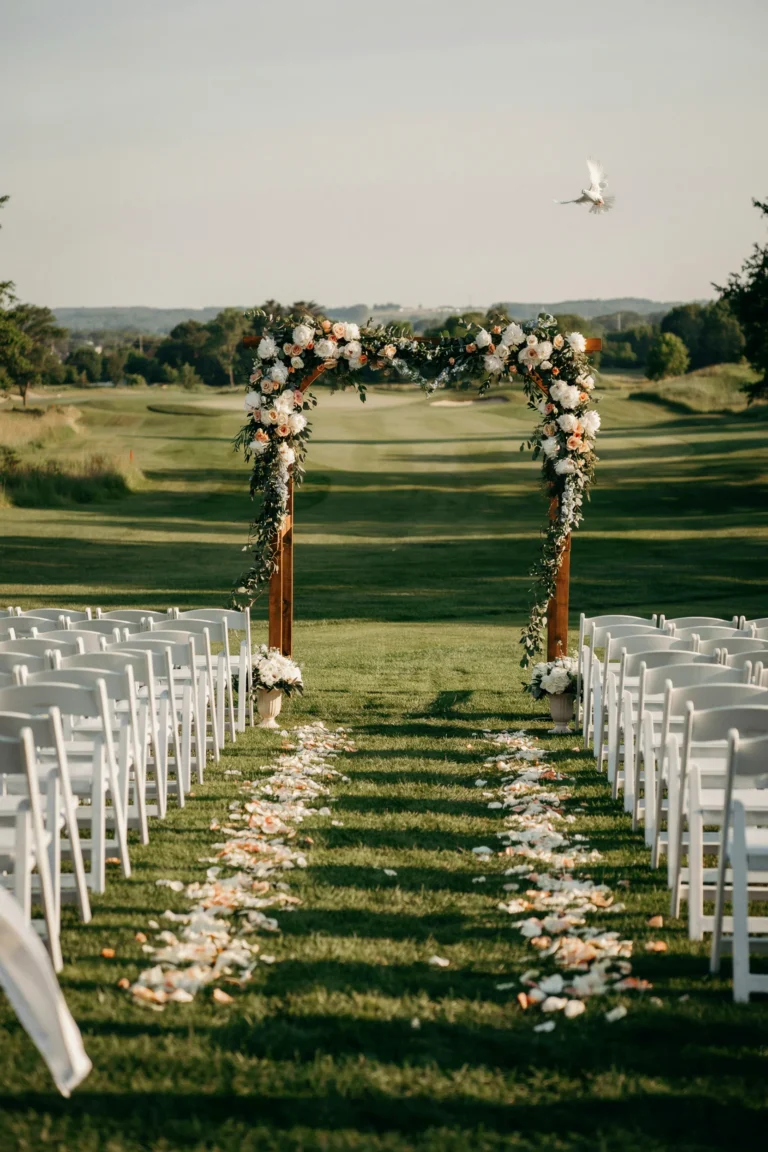
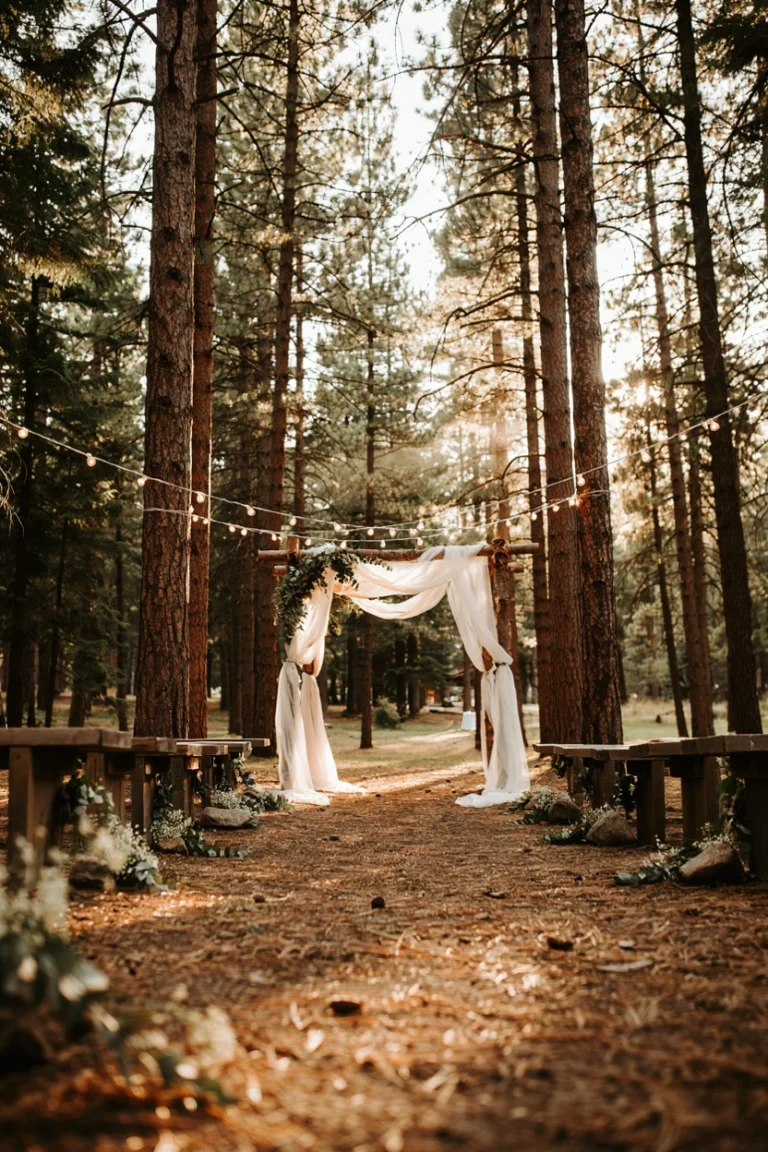
Pastel ceremony décor is strongest when it isn’t “flowy everywhere.” The visual magic comes from contrast: delicate florals layered against strong architectural elements. A clean, sculptural ceremony arch draped in blush ranunculus and lisianthus immediately elevates your palette. Floating floral clouds suspended above the altar turn soft colors into a cinematic moment without overwhelming the space.
Instead of packing every pastel into your entrance, focus on controlled repetition. Silk-petal aisles that look like watercolor brushstrokes, or modest low arrangements lining chairs, read more editorials than dense garden borders. If you’re planning an outdoor wedding, allow the environment to do half the work. Soft tones look luminous in natural light—especially at golden hour when the sky fades to lavender and honey.
Transparency materials help pastels look crisp instead of juvenile. Acrylic arches, frosted signage, or polished stone pedestals give florals room to breathe. Think of ceremony décor like a gallery: the art (your florals) needs its own space to shine. Avoid balloon garlands or oversized props unless styled with intention. Sculptural arrangements and curated softness always outperform visual clutter.
For atmospheric inspiration, explore floral-forward styling showcased in fairy garden wedding concepts and garden-focused layouts highlighted in garden wedding ideas.
For practical purchases, look for pieces you can repurpose at the reception. A muted acrylic welcome sign, pastel aisle markers in ceramic vases, or silk ribbon chair ties can all be moved after vows. Reuse isn’t just budget-friendly—it ensures visual continuity from the moment guests arrive to the first champagne toast.
- Floral Clouds: Soft, suspended arrangements above the couple or altar add surreal depth.
- Grounded Installations: Low bowls and meadow-style florals frame the walk without blocking guest views.
- Architectural Frames: Acrylic or stone arches prevent pastels from getting “lost” in outdoor venues.
- Layered Aisles: Silk petals in blush, ivory, or lavender—never confetti-level busy.
Investing in quality florals pays you back in every photograph. Avoid artificially tinted roses or neon dyed petals; pastel beauty is rooted in realism. Keep the palette tightly curated and the shapes sculptural, and your ceremony will feel less like a set piece and more like a living vignette of your love story.
Reception Tables: Light Touch, Heavy Impact

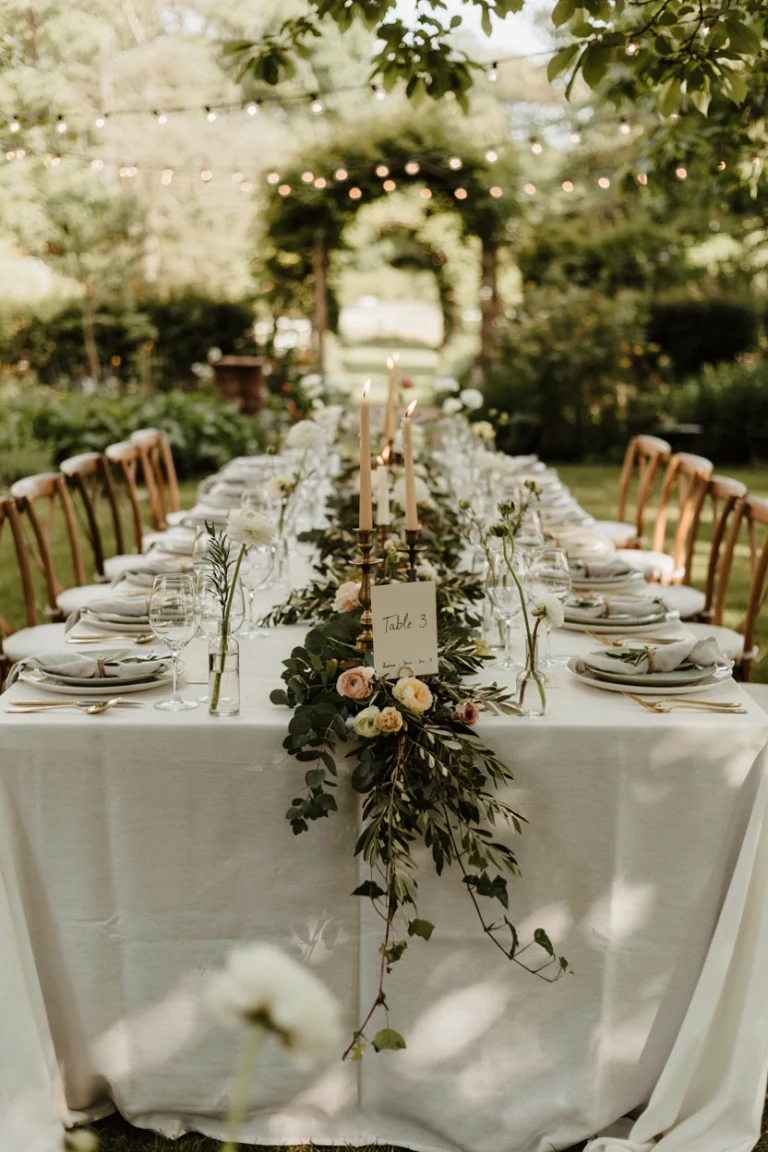
Reception tables are where pastel weddings live or die. The instinct is to overload every inch with color—a mistake that dulls the palette and cheapens the mood. The most editorial pastel tablescapes rely on texture and proportion: low, bowl-style floral arrangements, layered linens, and whisper-soft candlelight that shifts tone as the evening progresses.
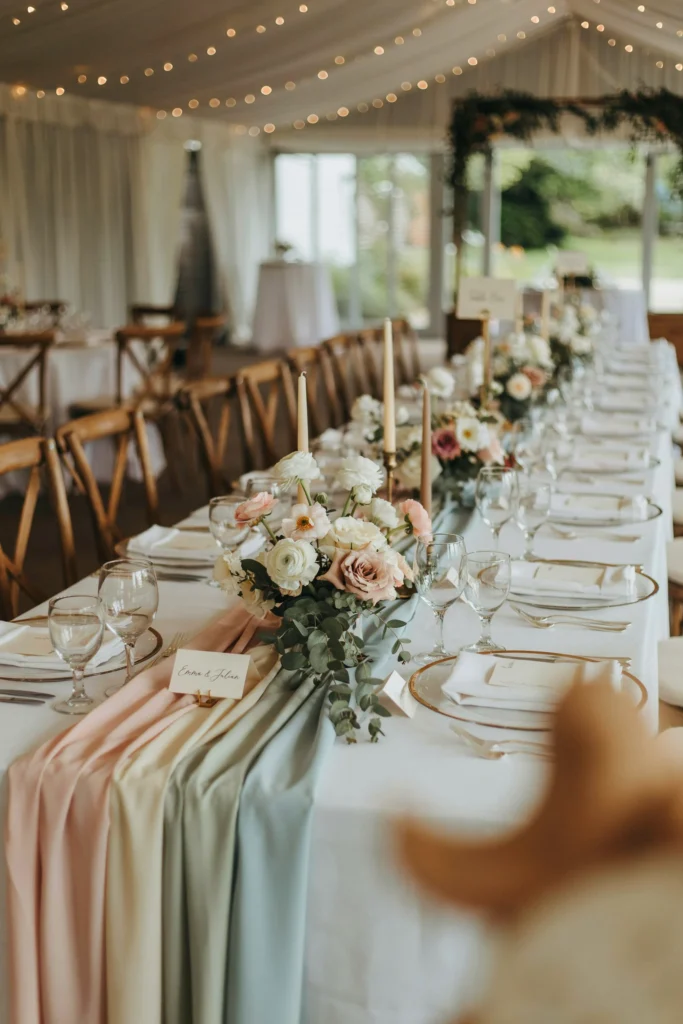
Start with linens you could find in a couture atelier—think matte linen, stonewashed cotton, or silk blend options instead of synthetic satin or polyester. Add a linen table runner in blush, dove gray, or dusty lavender, and keep it relaxed, not rigid. Pastels are at their best when they mimic the softness of petals or watercolor wash, not a glossy party table.
Glassware and candlelight deliver instant polish. Colored glass—champagne, seafoam, pale peach—offers depth without shouting. Taper candles in alternating tones (lavender–ivory–peach) create rhythm, while frosted votives anchor the palette to the table’s surface. Place color where light hits it: beside plates, near reflective surfaces, never hidden behind towering centerpieces.
Florals should follow the same principles: editorial restraint. Low arrangements, minimal greenery, and airy blooms styled to look as though they were grown, not constructed. Choose ranunculus, garden roses, lisianthus, and sweet peas for the delicate texture that pastel aesthetics demand. Avoid filler flowers with harsh undertones or neon dyes.
If you’re setting the tone for an outdoor reception, subtly echo the lush atmosphere found in garden wedding ideas or the whimsy showcased in fairy garden wedding inspiration. For ballroom events, pull reference points from neutral-forward concepts like spring wedding themes, leaning on champagne and ivory to maintain sophistication.
- Low Centerpieces: Pastels photographed from every angle without blocking faces or conversation.
- Matte Linens: Visual quietness that lets florals do the talking.
- Editorial Glassware: Champagne, pale blue, or peach hues that feel artisanal.
- Layered Candlelight: Tall tapers + low votives create movement and depth.
For tactile details, skip the glitter and rhinestones. Opt for silk bow napkins, vellum place cards with fine-line florals, or a muted wax seal. Pastel weddings are inherently romantic, but their strength lies in control—every element should feel intentional, not sentimental.
If you’re sourcing foundational pieces, look for linen table runners, colored glassware sets, and pastel taper candles on Amazon for effortless styling:
Linen Table Runners
Colored Glassware Sets
Pastel Taper Candle Bundles
Every pastel reception table should feel like a quiet conversation with light. When you choose fewer, stronger elements—textures, silhouettes, tonal repetition—you get the kind of subtle luxury that earns gasps without ever begging for attention.
Pastel Florals: Choose Breeds That Photograph Soft

Pastel florals are the core of the aesthetic, and they have to be selected with photographic texture in mind. Large, petal-dense blooms with layered interiors—ranunculus, garden roses, lisianthus, sweet peas—read like watercolor on camera. These flowers diffuse light naturally, producing the kind of editorial softness couples expect from a pastel wedding. Avoid stiff, sharp-edged florals or artificially dyed blooms; they flatten the palette and create visual noise.
A strong pastel arrangement always has a hierarchy. Build from your anchor shade, then layer one or two supporting tones and ground with a soft botanical: dusty miller, sage eucalyptus, olive branch. Greenery should be quiet and silvery, never emerald or neon. Think of it as a whisper behind the florals, not a competing voice. If a florist proposes adding hyper-saturated roses for “pop,” decline. Pastel weddings aren’t about impact through contrast—they’re about texture through restraint.
Scale matters. Low, bowl-style arrangements with airy spacing look more couture than tight, dome-shaped bouquets. For ceremony arches and floral clouds, lean on climbers and light petals—sweet peas, delphinium, tweedia—to add dimension without heaviness. These blooms create motion that reflects natural light, especially in outdoor or glass-ceiling venues.
If you’re crafting a whimsical or fairytale-inflected design, pull inspiration from the magical florals explored in fairy garden wedding details or delicate petal work showcased in fairy wedding cakes. Editorial styling examples on Brides and florist features from Martha Stewart Weddings demonstrate how professional designers balance pastel volume with negative space.
- Ranunculus: Layered petals create organic gradients—dreamy in close-up photography.
- Garden Roses: Sophisticated fullness without bulk; think “romance, not ruffles.”
- Lisianthus: Soft flutter that fills gaps without visual weight.
- Blue Delphinium or Tweedia: Editorial contrast—cooler tones anchor warm pastels.
When it comes to bouquets, build an intentional story. Start with your anchor bloom, then layer structural flowers followed by airy pieces with movement. Avoid rainbow gradients or “mixed sampler” bouquets; they read casual and dilute the sophistication you’re building everywhere else. Instead, commit to a core soul of the palette and let the rest support it.
Transporting delicate florals often adds stress to the budget. To stretch dollars, reuse your ceremony arrangements for the reception: aisle meadows become head-table florals, ground installations anchor the bar, and floral clouds mark the cake reveal. Pastels don’t need more variety—they need placement with purpose.
Pastel Bridesmaid Styling: Complement, Don’t Clone

The pastel bridal party is one of the most misinterpreted wedding design elements. Many couples assume every bridesmaid needs to match shade-for-shade, resulting in a look that feels flat and predictable. The most editorial approach is to keep the silhouette consistent and let the tones vary. Slip dresses in silk or satin, off-shoulder chiffon gowns, or a uniform column silhouette—these frameworks allow color to become an accent, not a costume.
Choose one anchor tone—blush, dusty lavender, seafoam—and expand outward in subtle variations. Pale mauve beside champagne, buttercream next to softly tinted lilac, mint blending into dove gray. When photographed together, the dresses feel layered and intentional, like a designer palette, not bridesmaids in different dresses you picked at random. Pastel looks strongest when it mimics the internal gradients of florals: petal, undertone, reflection.
Avoid combining multiple silhouettes and multiple colors at once. If you want variation in tone, keep the cuts unified. If you’re mixing silhouettes for body comfort, keep the hues tight and controlled. Drama should be reserved for the bride—the bridal party is the supporting cast that frames her moment.
Materials matter as much as color. Matte chiffon and silk always photograph more luxuriously than high-shine polyester. If you’re planning an outdoor celebration or romantic garden theme, lean into fairy garden wedding aesthetics—earthy neutrals, sage undertones, airy drape—rather than saccharine neon dresses. For ballroom or modern spaces, silver-gray or champagne dresses mixed with one hero pastel will strike the couture balance.
- Single Silhouette: One cut, two to four pastel variations for depth.
- Tonal Harmony: Dresses that look like they grew from the same bouquet.
- Soft Fabrics: Silk, chiffon, matte satin—never plastic gloss.
- Understated Accessories: Pearl drop earrings, muted gold bracelets, nude heels.
For easy sourcing, Amazon often carries elegant pastel bridesmaid gowns at approachable price points. Soft satin slip dresses, chiffon floor-length gowns, and adjustable strap designs photograph beautifully and work across body types:
Shop Pastel Bridesmaid Dresses
Your bridal party should look like a color story—shades whispering to each other, not shouting for individual attention. When you curate tones with intention and keep silhouettes unified, the women beside you will amplify your presence rather than compete with it.
Pastel Cakes & Dessert Installations: Whimsical, Not Childish

There’s a fine line between romantic and juvenile when it comes to pastel desserts. The secret is structure first, sweetness second. Editorial pastel cakes are architectural: clean tiers, delicate sugar florals, pressed botanicals, or hand-painted watercolor gradients. Think of your cake as a couture gown—texture, silhouette, and subtle embellishment—not a rainbow bake-sale display.
Buttercream is your best friend. Unlike fondant, it absorbs light and reads velvety, producing that effortlessly soft finish guests can’t stop photographing. For pastel weddings, a tone-on-tone cake—lavender base with pale lilac florals, dusty rose tiers with blush sugar petals—is more powerful than five-color frosting. Metallic micro-accents (gold leaf, pearlized beads) add polish without disrupting the softness.
If you’re planning a reception with dreamy or fantastical elements, tie your cake into the aesthetic without gimmicks. Soft blue delphinium petals pressed into buttercream mirror airy florals seen in fairy garden weddings, while blush sugar roses evoke the delicate styling of fairy wedding cakes. The key is to borrow from real botanical color, not nostalgic candy palettes.
Dessert installations should echo your pastel story, not compete with it. Macaron towers in blush and dusty lavender, mini pavlovas topped with edible flowers, or cream-filled choux with pearlized glazing present as refined sculpture. Place them at the bar or lounge area—not beside the DJ booth—and style them like a gallery vignette: one focal point, ample negative space, carefully staged lighting.
- Pressed Flower Cakes: Real petals or edible florals sealed beneath thin buttercream for an ethereal finish.
- Ombre Layers: Transition from pale to deeper tones within the same hue family for couture impact.
- Sugar Florals: Hand-crafted blooms in one or two pastel tones—never multicolored clusters.
- Macaron Towers: Architectural height with soft pastel repetition.
For couples sourcing details independently, Amazon is surprisingly useful: cake stands, disposable tasting plates for dessert bars, and pastel macaron boxes for gifting guests after the reception:
Pastel or Clear Wedding Cake Stands
Macaron Gift Boxes for Guests
Buttercream Cake Tools for Bakers
A pastel wedding cake shouldn’t feel like dessert—it should feel like art. If every element serves the palette and the architecture, you’ll get the kind of elevated, whisper-soft finish that could live on the pages of a bridal magazine.
Pastel Lighting: Where Soft Becomes Cinematic

Lighting is the moment pastels stop being “pretty” and start becoming unforgettable. The palette you worked so hard to curate will flatten under harsh white LEDs, so treat illumination like a design layer—not an afterthought. Warm, directional light softens edges, amplifies petals, and makes every table arrangement look like it belongs in a styled shoot. If you want your wedding to feel like an editorial spread, lighting has to play by the same rules as your florals and linens: texture, restraint, intention.
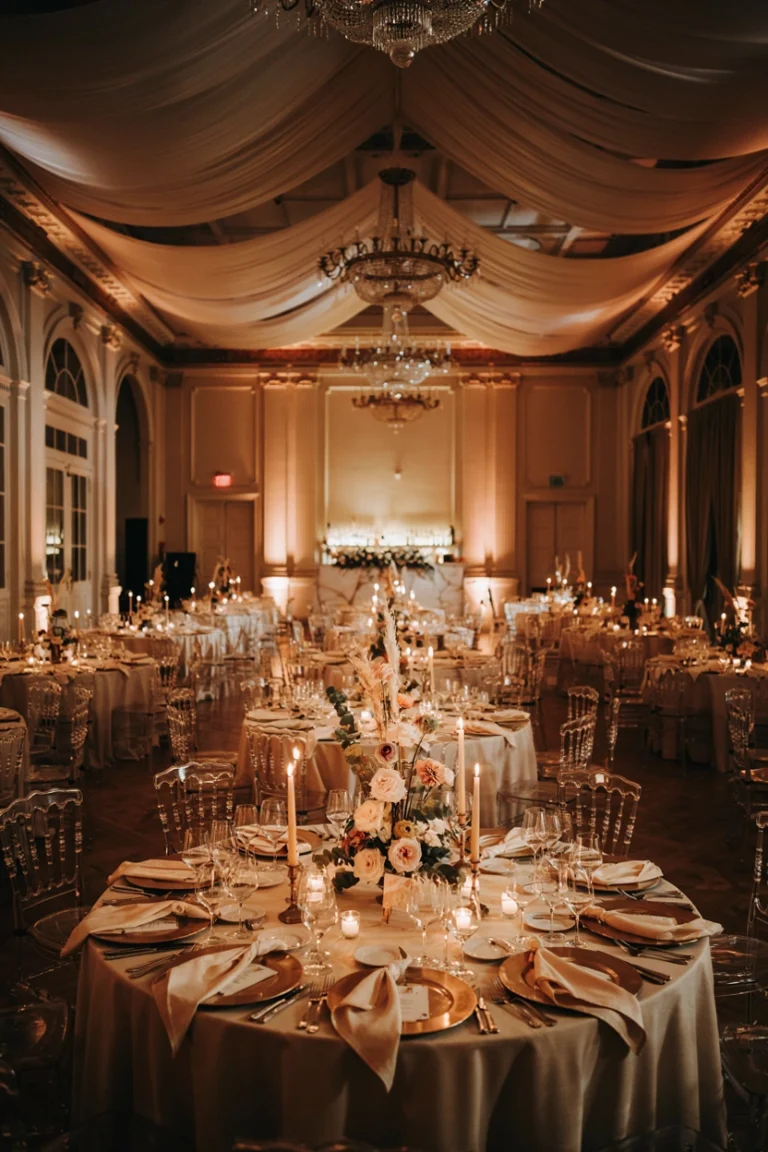
Start with the baseline: no pure white light anywhere near guest-facing spaces. Swap it for amber, champagne, or blush-toned uplighting. These hues wrap pastel florals in a gentle glow, almost as if the colors are breathing. Candlelight should do the rest of the work. Tall tapers give height and drama, while low votives ground the table and bring romance down to eye level. The interplay of the two is what creates depth—movement across surfaces, highlights on glassware, and soft reflections on metallic accents.
If your venue has high ceilings or open-air architecture, add floating orbs or frosted globes suspended above the tables. They photograph beautifully and produce a dreamy, soft-focus effect. In more intimate settings, cluster candles in varied heights or use colored hurricane cylinders to reinforce your palette. The key is to let light dance; avoid single-point illumination or harsh spotlights that cut through the room like a stage set.
Pastel lighting also benefits from seasonal direction. For daytime ceremonies or receptions, lean into the natural light—especially golden hour when shades of lavender, peach, and buttercream in the sky mimic your decor. If you’re hosting an outdoor dinner or garden reception, let your palette take cues from concepts explored in garden wedding ideas and the ethereal atmosphere of spring wedding themes. Indoors, extend the couture feeling from your linens and florals with neutral linens + soft uplighting + layered candlelight.
- Amber or Champagne Uplighting: Warm tones that flatter skin, photography, and floral detail.
- Mixed Candle Heights: Tap into visual rhythm—elevated tapers, mid-height hurricanes, grounded votives.
- Frosted Globes or Orbs: Dreamlike shine that diffuses color without overwhelming it.
- Pastel Hurricanes: Maintain palette continuity without introducing clutter or novelty props.
If you’re building a reception lighting kit or styling your own tables, accessible pieces go a long way. Frosted candle cylinders, taper sets, and rechargeable tabletop lights make soft-luxe execution possible at scale:
Frosted Candle Cylinders
Pastel Taper Candle Sets
Rechargeable Table Lamps
Lighting is the final brushstroke. When it supports your palette—never competes with it—pastels transform from décor into atmosphere. Guests won’t necessarily remember the mechanics, but they will remember how the room made them feel.
Invitations & Stationery: Editorial Minimalism

Pastel invitations are not an excuse for clip-art florals or bubbly script fonts. To achieve a modern, high-fashion feel, lean into editorial minimalism. Premium paper stock with subtle texture—cotton, vellum overlays, or deckled edges—instantly communicates intention. Your palette should whisper through the design: blush ink on cream paper, pale lavender letterpress on soft gray, or champagne foil on ivory.
Typography is everything. Brides-style invitations favor fine-line serif fonts or elegant sans-serifs paired with restrained script, if any. Avoid heavy brush-style calligraphy; it reads casual and dilutes the sophistication of pastel. Keep spacing generous, margins wide, and hierarchy crystal clear. White space is the luxury here.
Stationery suites are also a storytelling opportunity. Pair your invitation with an RSVP card in a complementary pastel, a single pressed flower beneath vellum, or a wax seal that mirrors your wedding palette. A subtle floral illustration can be gorgeous—if it’s restrained to one or two lines, never a full background. Think of the suite as your guests’ first editorial spread, not a scrapbook.
For couples planning nature-inspired ceremonies, draw design cues from the soft botanicals found in garden wedding ideas and the ethereal touches described in fairy garden weddings. If your celebration leans modern or ballroom, reference muted palettes explored in spring wedding color palettes to keep the stationery from feeling overly rustic.
- Letterpress on Cotton Paper: Depth and shadow without overpowering pastel tones.
- Vellum Overlays: Gentle haze that echoes candlelit receptions.
- Wax Seals: Single-tone seals in blush, lilac, or champagne for soft elegance.
- Illustrative Restraint: Fine-line botanicals instead of watercolor backgrounds.
If you’re assembling suites at home, Amazon offers essentials that look refined in person: cotton envelopes, wax-seal kits, pastel ribbon for invitation wraps, and acrylic signage for guest displays:
Wax Seal Kits
Pastel Silk Ribbon Sets
Acrylic Welcome Signs
The stationery suite sets the tone for the entire event. When pastels are treated like fashion—balanced, curated, and intentionally quiet—your guests understand immediately that this isn’t a themed wedding. It’s an experience.
Guest Experience: Pastels Through Texture, Not Toys
A pastel wedding isn’t about surrounding guests with color—it’s about crafting an atmosphere they can feel. The most memorable celebrations translate pastel tones through texture, scent, light, and detail. Think soft linen napkins tied with silk ribbons, champagne welcome drinks infused with citrus peel, and lounge areas styled like private editorial sets. The palette should appear in the fabric of the experience, not as confetti-level décor.
Start with tactile touchpoints. Swap paper cocktail napkins for cloth pastels or neutral tones, and pair bar menus with subtle watercolor accents rather than loud signage. If you’re seating outdoors, consider soft throw blankets in muted hues for late-evening chill. These pieces don’t scream “pastel wedding”—they whisper comfort, romance, and intentionality.
Guest photo opportunities should be curated, not gimmicky. Instead of neon balloons or giant props, design a floral vignette or petal archway for photos, positioned near soft candlelight. This creates nostalgia in real time without distracting from formal portraits later. For couples leaning into whimsical concepts, this is where ideas from fairy garden weddings shine—petal paths, rattan seating, mossy platforms—but always anchored with muted tones and grounded neutrals.
Food and beverage service offers another layer of editorial polish. A macaron bar in dusty peach and lavender, a champagne tower framed by pale floral meadows, or signature cocktails with pastel-hued ice cubes deliver subtle palette reinforcement without novelty. Guests engage with your wedding through taste and motion, not wall-to-wall décor.
- Silk Ribbon Napkins: A soft touch that photographs beautifully and ties the table story together.
- Curated Photo Corners: Floral vignettes or petal archways, not props or cartoon signage.
- Pale Beverage Touches: Champagne cocktails, citrus spritzers, lavender ice cubes.
- Comfort-Forward Decor: Light blankets or cushions that match the palette.
When you build guest experience this way, pastel becomes a sensory language. People don’t remember the exact shade of pink—what they remember is how the room felt: calm, cinematic, and deeply personal.
Seasonal Pastel Palettes: How to Get Them Right

Pastel isn’t a “spring-only” wedding style—it evolves with season, venue, and light. Your color formula just needs to acknowledge context. In spring, petal shades feel natural and romantic. In summer, pastels become coastal and sun-washed. In fall, they borrow depth from mauve and muted berry. In winter, they take on glamour with icy blue, dove gray, and metallic undertones.
Every season benefits from anchoring neutrals. Spring loves cream and champagne. Summer shines with sand and oyster. Fall thrives on mauve-gray or cinnamon cream. Winter comes alive through silver leaf or brushed gold. Pastels aren’t fragile—they simply need the right frame. Think of them as the lighting of fashion photography: they illuminate mood, not identity.
Pull practical inspiration from floral-rich aesthetics highlighted in spring wedding themes, garden-forward layouts explored in garden wedding ideas, and the whimsical, storybook palette found in fairy garden weddings. When you understand why pastels work in a season, you’ll style them without fear of cliché.
- Spring: Blush + butter yellow + lavender. Light, airy, petal-forward florals.
- Summer: Peach + mint + cloud blue. Coastal elegance with linen textures.
- Fall: Mauve + dusty rose + champagne. Depth and romance without weight.
- Winter: Ice blue + dove gray + metallics. Frosted luxury under candlelight.
The mistake most couples make is selecting colors in isolation. Instead, choose them like a wardrobe: palette, core tone, supporting tone, finish. When every shade has a function, your pastel wedding feels like a designed environment—not a theme.
Moodboard Concepts: Three Editorial Pastel Blueprints
Couples often struggle to translate pastel theory into a full wedding plan. Moodboard concepts solve that problem by giving you a unified, social-ready framework. These aren’t Pinterest mashups; they’re refined visual narratives that align palette, texture, floral structure, and guest experience. Think of them as editorial stories—each one with a tone, a setting, and a purpose.
The Garden Romantic

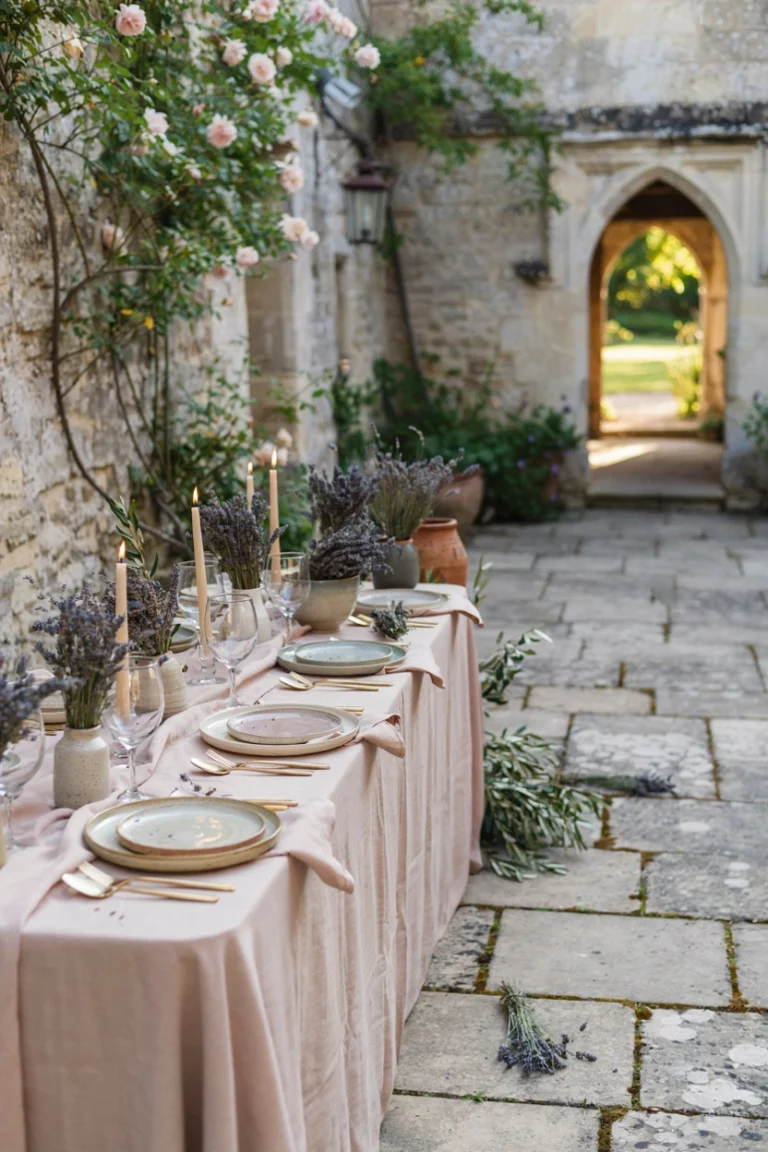
Imagine a ceremony beneath climbing roses and soft eucalyptus breeze. The palette: blush, buttercream, dusty lavender. Low floral meadows frame the aisle like watercolor, and long reception tables feature silk napkins tied with blush ribbon. Bridesmaids wear champagne or muted mauve satin slips, while the bride’s bouquet mixes garden roses and ranunculus with sweet pea wisps.
- Florals: Buttercream ranunculus, blush garden roses, lavender lisianthus, dusty miller.
- Tables: Matte linen in cream, pale peach tapers, champagne glassware.
- Lighting: Candle clusters and warm uplighting under greenery.
- Guest Touch: Linen blankets at dusk for outdoor seating.
Explore galleries like garden wedding ideas and the whimsical notes of fairy garden weddings to build this mood from ceremony to send-off.
The Coastal Chic

For seaside venues or sunlit terraces, let the ocean do half the styling. Your palette pulls from cloud blue, oyster, mint, with minimal florals and a focus on breezy drape. Think linen tablecloths, stone-gray accents, and airy arrangements where each bloom has breathing room. Bridesmaids wear pale sage or dove-gray silk slips; groomsmen sport soft taupe linen.
- Florals: Blue tweedia, delphinium, ivory lisianthus, olive branch greenery.
- Tables: Oyster linens, glass chargers, coastal taper clusters.
- Lighting: Frosted globes or lanterns that mimic shoreline glow.
- Guest Touch: Citrus spritz cocktails, soft linen fans at ceremony.
For couples exploring modern color control, browse pastel palette concepts in spring wedding color palettes to keep your tones restrained and architectural.
The Modern Ballroom

Editorial pastel thrives indoors when structure anchors softness. Picture an atrium or grand hall washed in dusty blue, champagne, dove gray. Floral clouds float above the head table. Tapers in alternating neutral tones create a quiet cadence between place settings. Instead of arch florals, use clean acrylic frames or stone pedestals crowned with pastel arrangements.
- Florals: Hybrid tea roses, lisianthus, oncidium orchids, pale delphinium.
- Tables: Velvet runners, blown-glass candleholders, muted metallic flatware.
- Lighting: Champagne uplighting + cool candlelight for shadow play.
- Guest Touch: Pastel signature cocktails served in coupe glasses.
Editorial examples of upscale pastel design appear frequently on Brides and are often paired with seasonal direction from The Knot. These references will help you scale installations without losing tonal control.
A moodboard isn’t a collage—it’s architecture. Once you choose one narrative, commit to it. The bridesmaid dresses, florals, stationery, lighting, and dessert installations should all feel like they belong in the same photo spread. That cohesion is what separates a pastel-themed wedding from an editorial pastel wedding.
Frequently Asked Questions

Are pastel weddings only for spring?
Pastels aren’t seasonal; they’re contextual. In spring they read floral and airy, but in winter they become metallic and cinematic when paired with dove gray and ice blue. What matters is how you anchor them—seasonal neutrals do most of the work.
How do I avoid my pastel wedding looking childish?
Use texture over print. Matte linens, silk ribbon, sugar florals, and architectural arrangements feel editorial. Avoid rainbow gradients, glitter, or novelty props—luxury is built from restraint.
Do bridesmaids need to match exactly?
No—choose one silhouette and vary the tones. This creates depth and harmony without overwhelming the eye. Variation works best when colors sit within the same tonal family, like mauve, blush, and champagne.
What pastel colors photograph best?
Pastels with built-in warmth—dusty lavender, buttercream, seafoam, blush—retain tone in both sunlight and candlelight. Over-saturated or artificially tinted florals can distort under flash and direct sun.
Can I mix pastels and bold colors?
Yes, if you treat bolds like jewelry. A single dramatic bloom, a metallic accent, or muted berry napkins can enhance the palette. Mixing wide color families in large quantities makes the design look rushed, not curated.
What’s the best lighting for pastel receptions?
Warm uplighting and layered candlelight. Amber, champagne, or blush tones enhance florals and soften portraits. Pure white LEDs flatten color and kill atmosphere instantly.
How do I choose florals that don’t overwhelm pastel tables?
Low, airy arrangements work best—ranunculus, lisianthus, garden roses, sweet peas. Avoid compact domes or neon fillers; they read heavy and interrupt visual flow.
Should menus, signage, and stationery be pastel too?
Only in accents. Keep typography minimal and ground the suite in ivory, stone, or champagne. Pastel inks, vellum overlays, or fine-line florals add refinement without turning stationery into décor.
Can I reuse ceremony florals to stretch my budget?
Absolutely—meadow installations become head-table décor, aisle markers become cocktail lounge pieces, and floral clouds anchor the cake reveal. Strategic reuse keeps cohesion intact and reduces waste.
What if guests think pastels are too subtle?
They’re supposed to be subtle. Pastels create atmosphere, not spectacle; guests feel romance in texture, candlelight, and composition. They won’t remember “how bold” your colors were—they’ll remember how serene the room felt.
Final Thoughts: Pastels Are a Design Language, Not a Theme

The most striking pastel weddings don’t rely on quantity—they rely on intention. When every element has a purpose, soft tones stop feeling “cute” and start feeling cinematic. Your palette becomes editorial when florals echo stationery, table linens reflect bridesmaid tones, and lighting completes the picture rather than competing with it. That cohesion turns a color choice into an atmosphere guests remember long after the final toast.
Treat pastels the way designers treat fabric: they frame movement, soften angles, and elevate structure. Let your anchor shade guide everything—ceremony architecture, floral textures, reception glow—and allow supporting tones to whisper in the background. Trust your instincts, stay disciplined, and resist last-minute décor additions that disrupt your palette. Luxury lives in restraint.
Whether your celebration unfolds in a rose garden, beside a saltwater breeze, or beneath ballroom chandeliers, pastels offer the rare blend of romance and refinement. They tell your story without shouting, creating a world where every detail feels thoughtful, effortless, and intensely personal. That’s the secret of pastel weddings: not innocence—but intimacy.