Pink Dessert Table Ideas For Weddings
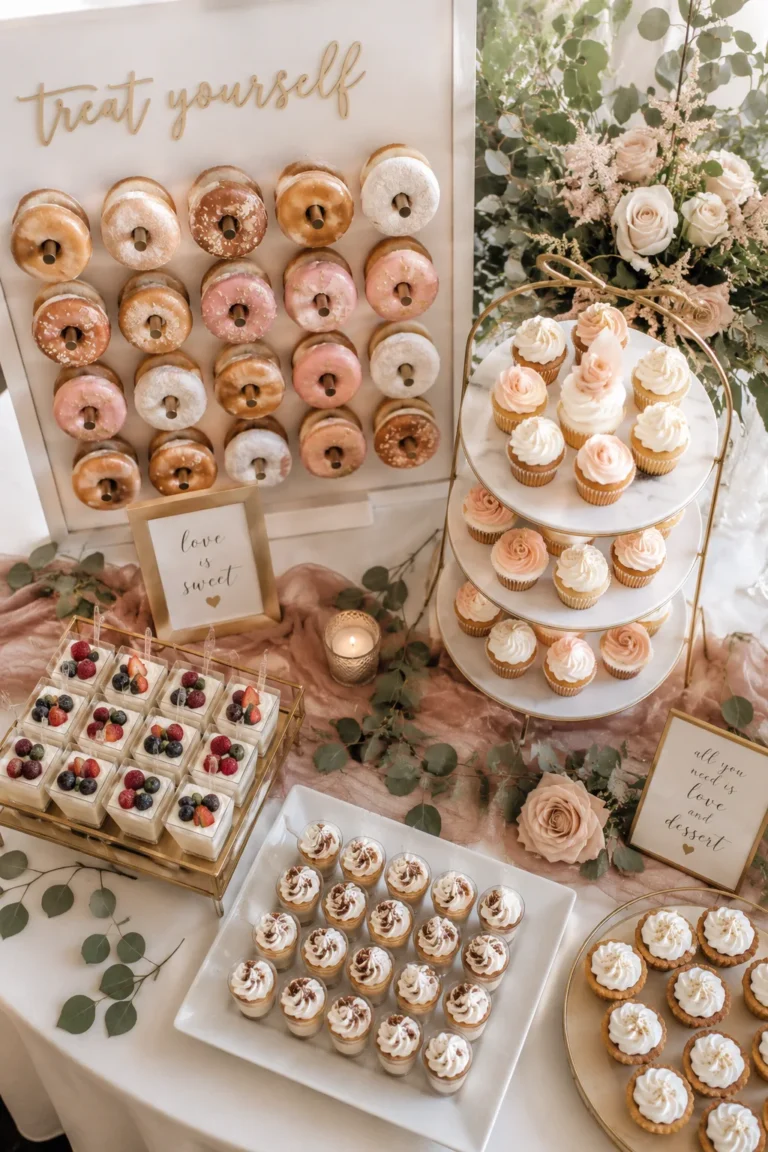
Quick Answer: A pink dessert table is a coordinated display of cakes, cupcakes, macarons, cookies, cake pops, and other sweets styled in shades of blush, rose, or soft pink to complement your wedding décor. The best pink wedding dessert tables combine a cohesive color palette, varied display heights, elegant serving pieces, and thoughtfully chosen desserts to create a beautiful focal point that’s both practical for guests and stunning in photographs.
Pink dessert tables have become a favorite for couples who want a reception that’s romantic, elegant, and visually memorable. Whether you’re planning a soft garden wedding, a glamorous ballroom celebration, or a modern minimalist reception, the right combination of desserts, display pieces, and styling details can transform an ordinary sweets table into one of the most photographed areas of your wedding.
The secret isn’t filling the table with every pink dessert you can find. Instead, it’s choosing a consistent color palette, incorporating different heights and textures, and styling each element so the display feels intentional rather than crowded. From delicate blush macarons to dramatic raspberry cake accents, a well-designed pink dessert table becomes part of your wedding décor as much as your dessert menu.
If you’re still planning your reception, browse these beautiful wedding dessert table ideas for even more inspiration on styling an elegant sweets display.
This post may contain affiliate links, please refer to privacy policy for more information.
Choosing the Right Shade of Pink for Your Wedding Style
Not all pinks tell the same story. The shade you choose sets the tone for the entire dessert table, influencing how formal, modern, or romantic the display feels. The most successful pink dessert tables rely on a tight palette—one dominant shade supported by neutrals—rather than multiple competing tones.
Soft Blush and Pale Pink

Blush and barely-there pinks are timeless choices that feel instantly bridal. These shades work especially well for garden weddings, spring ceremonies, and classic ballroom receptions, where the goal is softness rather than contrast. When paired with white desserts, clear glass stands, and minimal signage, blush desserts feel light, romantic, and effortlessly elegant.
This palette benefits from repetition and simplicity. Uniform dessert cups, softly frosted bars, and subtle garnishes allow the color to read as intentional rather than themed.
Blush tones also pair beautifully with simple buttercream designs like these white wedding cake ideas, creating a timeless dessert display that’s effortlessly romantic.
Dusty Rose, Mauve, and Muted Berry Tones

For couples drawn to a more modern or editorial aesthetic, dusty rose and muted berry tones offer depth without feeling heavy. These pinks photograph beautifully against neutral linens, stone surfaces, and matte finishes, making them ideal for fall weddings or contemporary venues.
Allow neutral linens and clean display pieces to let the desserts become the focal point. Muted pink desserts stand out best when paired with neutral backdrops and clean lines, allowing texture and tone to do the visual work.
If you’re planning a rustic or nature-inspired celebration, these muted shades complement many of the designs featured in these rustic wedding cake ideas and vintage wedding cake designs.
Bold Pink and Raspberry Accents

Highly saturated pinks make the strongest statement and are best used with intention. Rather than filling the entire table with bold color, incorporating it as an accent creates contrast and visual interest without overwhelming the display.
This approach works particularly well for modern, summer, or city weddings, where a few high-impact pink elements can energize the table while still feeling polished and wedding-appropriate.
Love vibrant colors? You’ll find even more dramatic inspiration in these bright magenta wedding cake ideas, which show how bold pinks can still feel sophisticated.
| Pink Shade | Best For | Pairs Well With |
|---|---|---|
| Soft Blush | Garden weddings, spring celebrations, classic romance | White florals, clear acrylic stands, champagne accents |
| Pale Pink | Minimalist and modern weddings | Glass display pieces, neutral linens, fresh greenery |
| Dusty Rose | Ballroom receptions and fall weddings | Stone textures, ivory florals, gold décor |
| Mauve | Vintage-inspired and elegant weddings | Brass accents, eucalyptus, antique finishes |
| Bold Pink | Summer weddings and contemporary venues | White cakes, gold stands, black accents |
| Raspberry | Statement dessert displays | Fresh berries, chocolate desserts, modern acrylic décor |
How to Build a Visually Balanced Pink Dessert Table

A beautiful pink dessert table isn’t defined by how many desserts it holds, but by how intentionally those desserts are arranged. Balance, repetition, and negative space matter more than variety. When everything is competing for attention, nothing stands out.
Vary Height, Not Color
The easiest way to create visual movement is through height. Cake stands, risers, and elevated trays draw the eye upward and prevent the table from feeling flat. Keeping the pink palette consistent while changing elevation allows the display to feel layered and dimensional without becoming visually noisy.
Clear acrylic and glass stands work especially well with pink desserts, as they keep the focus on color and texture rather than the display pieces themselves.
One detail I notice in professionally styled wedding photos is how much difference height variation makes. Even a simple dessert selection looks far more luxurious when cake stands and risers create movement across the table instead of keeping everything on one flat surface.
Using a few clear acrylic risers or elegant glass cake stands is one of the easiest ways to create height without making the display feel crowded.
Repeat Shapes for a Cohesive Look
Repetition is what separates a styled dessert table from a casual spread. Grouping identical desserts together—rows of uniform cups, neatly arranged bars, or clustered bite-size treats—creates rhythm and makes the table feel intentional.
Even when using multiple dessert styles, repeating shapes and serving formats keeps the overall look cohesive and polished.
Matching dessert stands and serving trays help create a polished look, even if you’re working with simple homemade or bakery desserts.
Let Texture Do the Work
When the color palette is controlled, texture becomes the star. Glossy chocolate finishes, matte frosting, smooth mousse layers, and crisp edges add depth without introducing new colors. Clear cups, soft frosting swirls, and clean-cut bars photograph beautifully and elevate even simple desserts.
The goal is contrast through finish and form—not through competing colors—so the pink palette feels curated rather than overwhelming.
Mini dessert cups with lids are perfect for mousse, cheesecake, and layered parfaits while giving your dessert table a clean, professional appearance.
Pink Wedding Dessert Table Checklist
Before ordering desserts or decorating your reception, use this simple checklist to make sure your pink wedding dessert table feels cohesive, elegant, and guest-friendly.
- Choose one primary shade of pink and one or two coordinating neutral colors.
- Plan for approximately two to three bite-sized desserts per guest.
- Select cake stands and risers in a variety of heights to add dimension.
- Include a mix of textures such as buttercream, chocolate, macarons, mousse cups, and cookies.
- Leave negative space so the display feels balanced instead of overcrowded.
- Coordinate linens, signage, and serving pieces with the rest of your wedding décor.
- Add fresh flowers, berries, or edible blooms sparingly for a polished finish.
- Arrange larger desserts first, then fill gaps with smaller treats.
- Photograph the table before guests begin serving themselves.
- Keep extra desserts chilled or stored away so you can refill the display throughout the reception.
Styling Details That Make Pink Dessert Tables Feel Wedding-Level

The difference between a pretty dessert table and one that feels truly wedding-worthy often comes down to the details. Styling choices should enhance the desserts instead of competing with them.
When every element works together—from the serving pieces to the florals and signage—the dessert table feels like a natural extension of the overall wedding design.
Use Florals and Garnishes With Restraint
Fresh elements instantly elevate a pink dessert table, but less is more. A few well-placed floral accents, scattered berries, or subtle edible flowers add softness without cluttering the display. Over-decorating every dessert can make the table feel busy rather than refined.
When florals are used, pulling colors directly from the wedding palette helps the dessert table feel integrated rather than separate from the overall décor.
Choose Signage That Blends In, Not Competes
Signage should guide guests, not dominate the table. Acrylic signs, neutral cardstock, or soft scripts work best, allowing the desserts themselves to remain the focal point. Large fonts or bold colors can quickly pull attention away from the styling.
Placing one or two signs strategically—rather than labeling every item—keeps the look clean and intentional.
When you look through real wedding galleries, the most elegant dessert tables rarely rely on oversized signs or elaborate decorations. Instead, the desserts, flowers, and serving pieces naturally become part of the overall reception design.
Coordinate With the Cake Table
The dessert table should complement the cake, not compete with it. When both are visible in the same space, keeping one element more restrained allows the other to shine. In some weddings, the dessert table supports a statement cake; in others, it becomes the focal point while the cake remains minimal.
Aligning finishes, color tones, and display materials across both tables creates visual continuity and a more polished reception layout.
If you’re working with both a baker and a wedding planner, sharing inspiration photos ahead of time helps ensure your cake, dessert table, and reception décor all feel cohesive. Small details like matching finishes, ribbons, or floral accents can make a surprisingly big impact.
If you’re deciding between serving a traditional cake or a full dessert display, these wedding cake alternatives can help you compare both options.
Pink Dessert Tables for Different Wedding Vibes

One of the reasons pink dessert tables work so well for weddings is their flexibility. With small styling shifts, the same color family can feel romantic, modern, playful, or refined—making pink adaptable to nearly any venue or aesthetic.
| Wedding Style | Best Pink Shade | Ideal Display Style | Perfect Finishing Touches |
|---|---|---|---|
| Garden Wedding | Soft blush | Clear glass cake stands with airy spacing | Fresh flowers, greenery, edible blooms |
| Modern Wedding | Bold pink or muted berry | Acrylic risers with clean geometric lines | Minimal signage, monochromatic desserts |
| Ballroom Reception | Dusty rose | Layered crystal and glass display pieces | Gold accents, candles, elegant florals |
| Outdoor Reception | Pale pink | Mixed-height stands with natural textures | Seasonal berries, linen runners, greenery |
| Romantic Vintage Wedding | Mauve and blush | Antique-inspired cake stands and trays | Pearls, lace details, soft candlelight |
| Dessert Table Instead of Cake | Any coordinated palette | Large focal display with multiple height levels | Statement macaron tower, cupcakes, cake pops, dessert shooters |
Garden and Outdoor Weddings
In outdoor settings, pink dessert tables feel most natural when paired with light textures and organic elements. Soft blush tones, fresh garnishes, and simple serving pieces allow the desserts to blend seamlessly with florals and natural light.
Keeping the table airy—using open space rather than crowding every inch—prevents the display from feeling heavy against an already detailed backdrop.
Natural light tends to soften pink tones, which is one reason blush dessert tables are especially popular for outdoor ceremonies and garden receptions. Planning your display with your venue’s lighting in mind can make your desserts look just as beautiful in photographs as they do in person.
Outdoor celebrations pair especially well with seasonal floral designs like these spring wedding cake ideas, where soft colors and fresh blooms create a cohesive reception design.
Modern and Minimal Weddings
For modern weddings, restraint is everything. Fewer desserts, cleaner lines, and stronger contrast create a pink dessert table that feels intentional rather than decorative. Bold or mid-tone pinks work well here when paired with neutral linens and sleek display pieces.
The result is a dessert table that reads as design-forward, not themed.
If clean lines and understated elegance are your style, don’t miss these modern wedding cake ideas for more minimalist inspiration.
Romantic Ballroom Receptions
Ballroom settings allow for more layering without sacrificing elegance. Varying heights, soft lighting, and cohesive color repetition help pink dessert tables feel luxurious rather than busy. This is where subtle shimmer, glass stands, and classic florals can shine.
The key is maintaining a consistent palette so the scale feels elevated, not overwhelming.
Elegant metallic accents work beautifully in formal venues, especially when paired with designs like these white and gold wedding cakes.
Dessert Tables as an Alternative to a Traditional Cake
In some weddings, the dessert table takes the place of a traditional cake altogether. When styled intentionally, a pink dessert table can serve as the visual anchor of the reception, offering guests variety while maintaining a cohesive look.
This approach works best when the table is treated as a focal point, with careful attention to symmetry, height, and negative space.
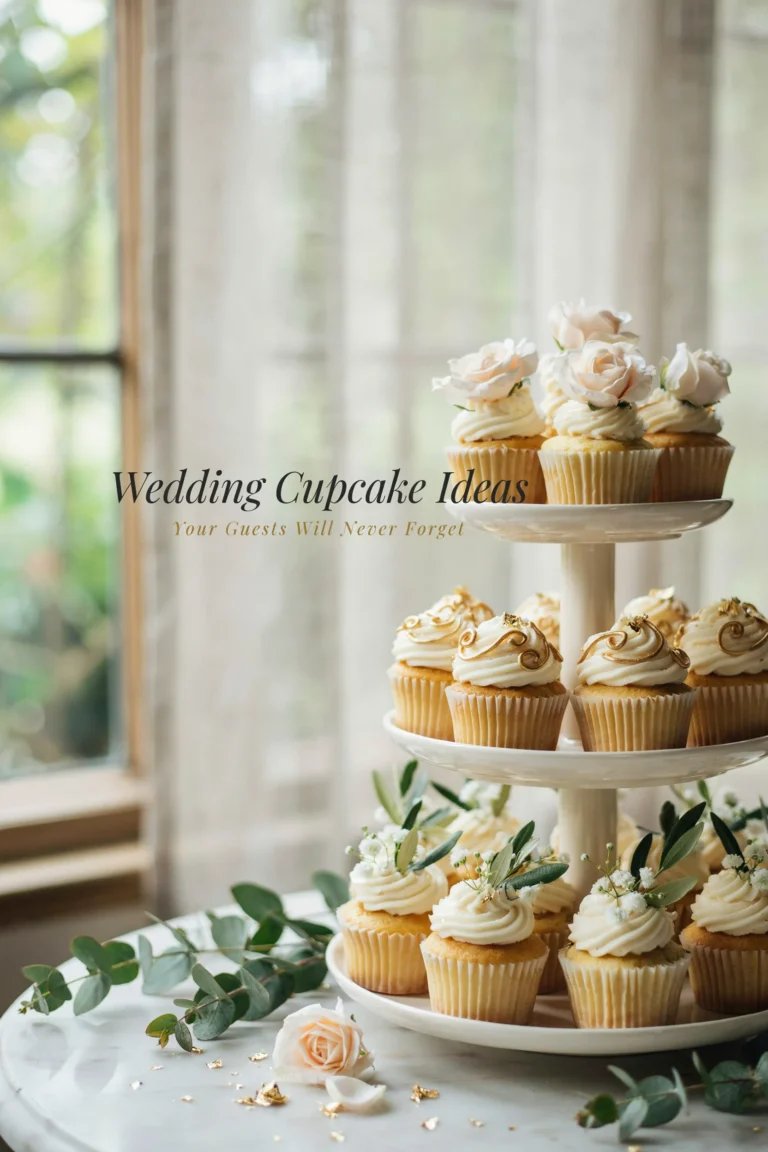
Many couples also include bite-sized treats like cupcakes, macarons, and wedding cake pops to give guests more variety while maintaining a beautifully coordinated dessert table.
Pink Wedding Dessert Table Facts
- Wedding planners commonly recommend serving 2 to 3 bite-sized desserts per guest when offering a dessert table alongside or instead of a traditional wedding cake. Source: The Knot
- Displaying desserts at multiple heights creates a more balanced, professional-looking presentation and helps guests see all of the available treats more easily—a styling principle widely recommended by professional event designers. Source: Brides
- Macarons, cupcakes, cake pops, dessert shooters, cookies, and mini cheesecakes remain some of the most popular desserts for modern wedding sweets tables because they’re easy to serve, portion, and photograph. Source: Martha Stewart
- Using one primary shade of pink with neutral accents like white, ivory, champagne, or clear glass creates a timeless look that’s less likely to feel overly themed and photographs beautifully in natural light.
Whether your style is vintage, modern, boho, beach-inspired, or completely unique, the right desserts and styling details can transform your reception into something unforgettable. Explore even more inspiration with our collections of boho wedding cake ideas, beach wedding cakes, fairy wedding cakes, and western wedding cakes.
Common Questions About Pink Wedding Dessert Tables
How much does a pink wedding dessert table cost?
The cost of a pink wedding dessert table depends on the number of guests, the types of desserts you choose, and the level of customization. A simple display with cupcakes, cookies, and macarons will typically cost less than a fully styled dessert buffet with custom treats, specialty stands, and floral decorations. Planning your display early also gives you more flexibility to compare bakeries and rental options.
What desserts should be included on a pink wedding dessert table?
Some of the most popular choices include macarons, cupcakes, cake pops, sugar cookies, mini cheesecakes, mousse cups, chocolate-covered strawberries, dessert shooters, brownies, and a small cutting cake. Mixing different textures and heights creates a display that’s visually interesting while giving guests plenty of variety.
How many desserts do I need for 100 wedding guests?
For a dessert table without a large traditional wedding cake, plan for approximately 200 to 300 bite-sized desserts for 100 guests. If you’re also serving cake, you can usually reduce that amount because many guests will sample only one or two additional treats.
Can I have both a wedding cake and a dessert table?
Absolutely. Many couples use a small decorated wedding cake for the cake-cutting ceremony and surround it with a dessert table filled with bite-sized treats. This gives guests more variety while creating a beautiful focal point for your reception.
What’s the difference between a dessert table and a wedding sweets table?
The terms are often used interchangeably. A wedding dessert table typically includes a variety of cakes, cookies, pastries, and plated desserts, while a sweets table may focus more heavily on candy, chocolates, and individually wrapped treats. Many modern weddings combine both into one coordinated display.
How far in advance should a dessert table be set up?
Most wedding dessert tables are assembled one to three hours before guests arrive, depending on the venue and the desserts being served. Delicate items that require refrigeration should remain chilled until shortly before the reception begins, while décor and display stands can often be arranged much earlier.
Can I create a beautiful dessert table on a budget?
Yes. Choosing a smaller selection of desserts, renting display stands, incorporating fresh flowers from your ceremony, and focusing on thoughtful presentation instead of quantity can create a luxurious-looking pink dessert table without dramatically increasing your wedding budget.
Do pink dessert tables feel trendy or timeless?
Pink dessert tables feel timeless when the color palette is restrained and the styling is intentional. Soft blushes and muted rose tones tend to age better than highly saturated pinks. The key is treating pink as a neutral accent rather than a theme.
How many desserts should you plan per guest?
Most planners recommend planning for two to three small desserts per guest when offering a dessert table. This allows guests to sample more than one item without overwhelming the display. Smaller portions also help maintain a clean, styled look throughout the reception.
Can a dessert table replace a traditional wedding cake?
Yes, a dessert table can fully replace a traditional cake when it’s designed as a focal point. The table should feel intentional, balanced, and visually complete on its own. Many couples opt for this approach to offer variety while still maintaining a cohesive aesthetic.
What pink desserts photograph best at weddings?
Desserts with clean lines, smooth finishes, and consistent color tend to photograph best. Layered cups, frosted bars, dipped treats, and uniform bite-size desserts hold their shape well under varied lighting conditions.
How do you keep a pink dessert table from looking childish?
Limiting the number of pink shades and pairing them with neutral elements keeps the display elevated. Clean serving pieces, minimal signage, and thoughtful spacing make a significant difference. Texture and repetition add sophistication without adding visual noise.
Can pink be mixed with other colors on a dessert table?
Pink pairs beautifully with white, cream, gold, champagne, and clear elements. Introducing one supporting neutral allows the pink to stand out without competing for attention. Adding too many accent colors can make the table feel busy.
Are dessert tables easier to serve than cake?
Dessert tables are often easier for guests to navigate, especially in large receptions. Pre-portioned desserts reduce wait times and eliminate the need for formal cake cutting. This creates a more relaxed flow while still feeling polished.
Do pink dessert tables work for evening receptions?
Yes, pink desserts often photograph especially well in evening settings because they reflect light softly. Choosing lighter pink tones and incorporating subtle lighting helps maintain clarity and warmth as the room darkens.
Common Mistakes to Avoid When Styling a Pink Dessert Table
Even beautiful desserts can lose their impact if the table feels cluttered or unbalanced. Avoid these common mistakes to create a dessert display that looks elegant, photographs beautifully, and complements the rest of your wedding décor.
Using Too Many Shades of Pink
Choose one dominant shade of pink and support it with neutral colors like white, ivory, champagne, or clear glass. Mixing several bright pink tones can make the display feel busy instead of sophisticated.
Overcrowding the Table
Negative space is just as important as the desserts themselves. Leaving room between trays and stands helps each dessert stand out while making the entire display look more luxurious.
Keeping Everything the Same Height
A flat display can look unfinished. Use cake stands, acrylic risers, and pedestal trays to create height variation that naturally draws the eye across the table.
Choosing Decorations That Compete With the Desserts
Oversized signs, large floral arrangements, or bold decorations can distract from the desserts. Keep decorative elements simple so the sweets remain the focal point.
Offering Too Much Variety
You don’t need dozens of different desserts to impress your guests. A smaller selection of beautifully displayed treats often creates a more cohesive and memorable wedding dessert table.
Designing a Pink Dessert Table Guests Will Save on Pinterest

Pink dessert tables perform exceptionally well on Pinterest because they photograph with softness, clarity, and instant emotional appeal. Vertical elements—tiered stands, lifted trays, and intentional spacing—help the table read clearly in a single frame, which is essential for strong saves.
Repetition is more effective than variety. When guests see the same pink tones echoed across multiple desserts, the table feels cohesive and memorable rather than cluttered. Simple signage, clean backdrops, and consistent lighting allow the color palette to stand out without distraction.
Ultimately, the most save-worthy dessert tables are those that feel calm and curated. A limited palette, balanced composition, and thoughtful negative space make pink dessert tables feel aspirational—and easy to imagine recreating.
A pink dessert table doesn’t need dozens of desserts to make an impact. A cohesive palette, elegant display pieces, and thoughtful styling create a dessert table that feels timeless rather than trendy.
Whether you choose soft blush tones, romantic dusty rose, or vibrant raspberry accents, the most beautiful pink wedding dessert tables balance color, texture, and presentation. Focus on quality over quantity, coordinate your display with the rest of your wedding décor, and you’ll create a dessert table that’s every bit as memorable as the cake itself.
The most memorable pink wedding dessert tables aren’t necessarily the biggest—they’re the ones that feel intentional. By choosing a cohesive color palette, balancing height and texture, and selecting desserts that complement your wedding style, you can create a beautiful wedding sweets table your guests will enjoy and your photographer will love capturing. Whether you’re planning an intimate celebration or a large reception, thoughtful styling always makes the biggest impression.