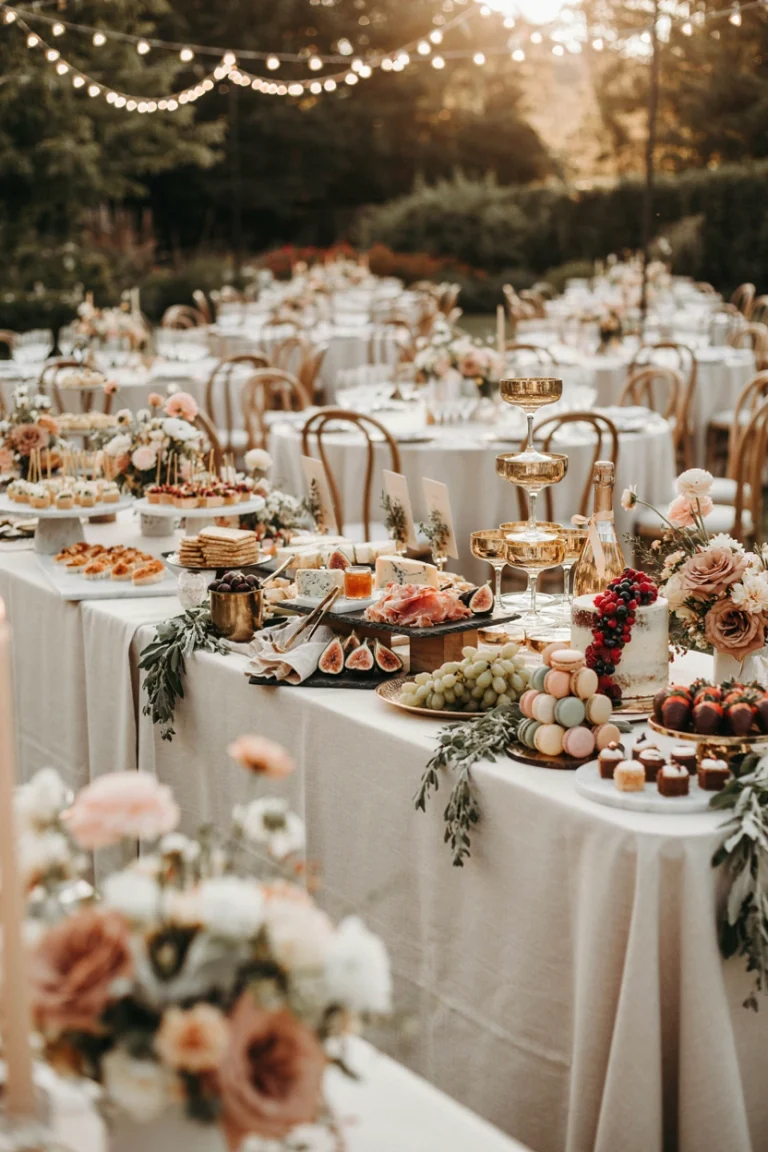
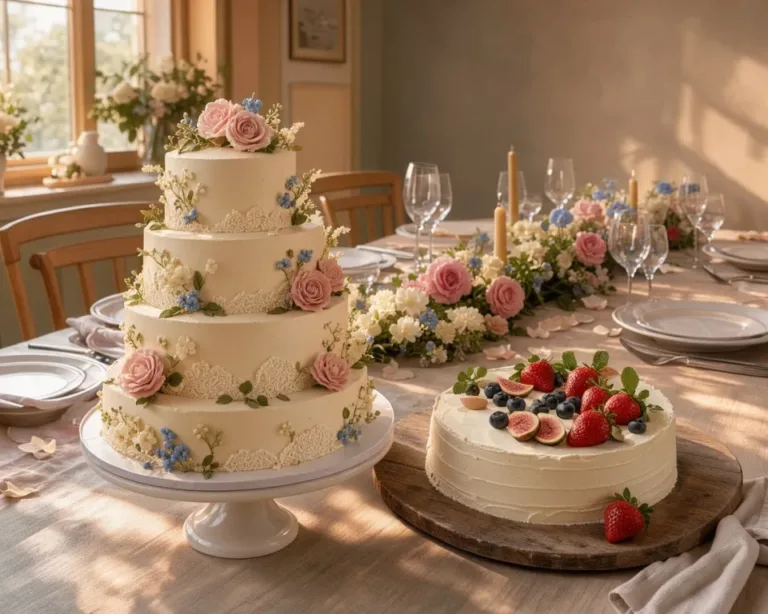
How to Decide What to Rent, Buy, or Skip for Your Wedding Decor
For most one-day weddings, rent bulky or high-quantity pieces, buy personalized or reusable accents, and skip what your venue supplies.
This rule can help you decide should you rent or buy wedding decor. Your choice depends on convenience, future use, and what matters most to you both.
During planning, it is easy to think your venue provides every decorative item. That mistake can add costs when you are close to the big day.
Ask your venue what comes with the space before you shop. Tables and chairs may be included, while linens, candle holders, or an arch may not.
Then think about the time each choice will take. A rental company can handle bulky pieces, while buying means you handle them later.
A piece you use at home after the wedding may be worth buying. A one-day item that needs storage may be easier to rent.
Your choices should fit your vision, not fill every corner. Couples can spend more on the details guests will notice or enjoy.
For more ideas suited to outdoor spaces, browse these campground wedding ideas.
Start by noting which pieces matter most to your vision, rather than treating every open surface as something to decorate.
Should You Rent or Buy Wedding Decor?
Choose rentals for bulky, one-use pieces and buy accents you will genuinely reuse, then use your budget and storage space to set the boundary.
Total ownership cost is the item’s price plus added work. Count time and costs to get, move, store, care for, and clear it later.
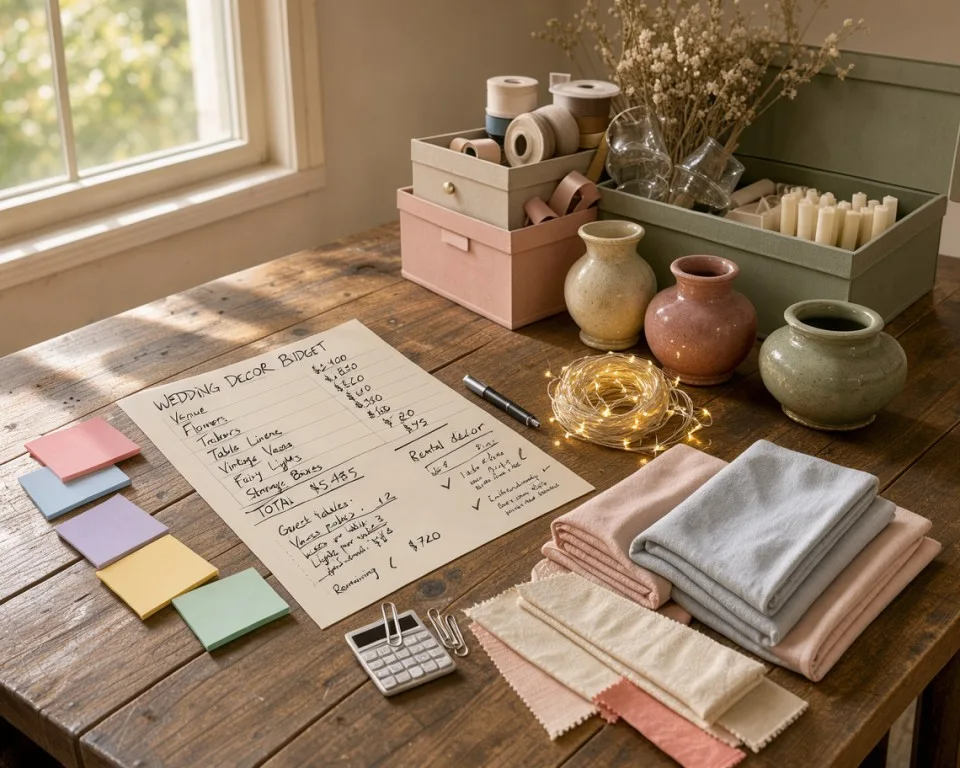
Put décor spending in the full budget
A $5,000 wedding budget can work for a small, simple event. Guest count and venue costs shape what remains for décor.
For context, the average U.S. wedding cost in 2026 is $36,000. Average flowers and décor spending is $6,345, with a typical range of $5,100-$7,600.
A 2026 budget breakdown puts florals and décor at 7%-10% of the total. These national figures offer context, not a target for your own wedding.
Zola’s 2026 First Look Report also gives a broad view of wedding costs. Your plans and local prices may differ.
A wedding budget guide can help you set spending limits and track costs. You can leave room for food, clothes, and other needs.
Judge cost by planned reuse
Renting is usually the practical choice for items you will use once. It also limits the storage and post-event work you take on.
Buying may make sense when you will use a piece again. Add the time it takes to move and care for it to your comparison.
That work matters when a bargain item needs cleaning, repairs, or a ride home. A low price alone does not show the full cost.
Some couples also need to plan for what happens to items after the wedding. You may keep, donate, or resell them, but each choice takes effort.
Set a décor spending ceiling before adding optional pieces, so attractive extras do not crowd out essentials.
Choose by Size, Quantity, and Future Use
If your venue already includes tables and chairs, those pieces can change your décor decision more than a trend or color palette does.
Rent items needed in high numbers or for one event. Buy small personal details that you will use again.
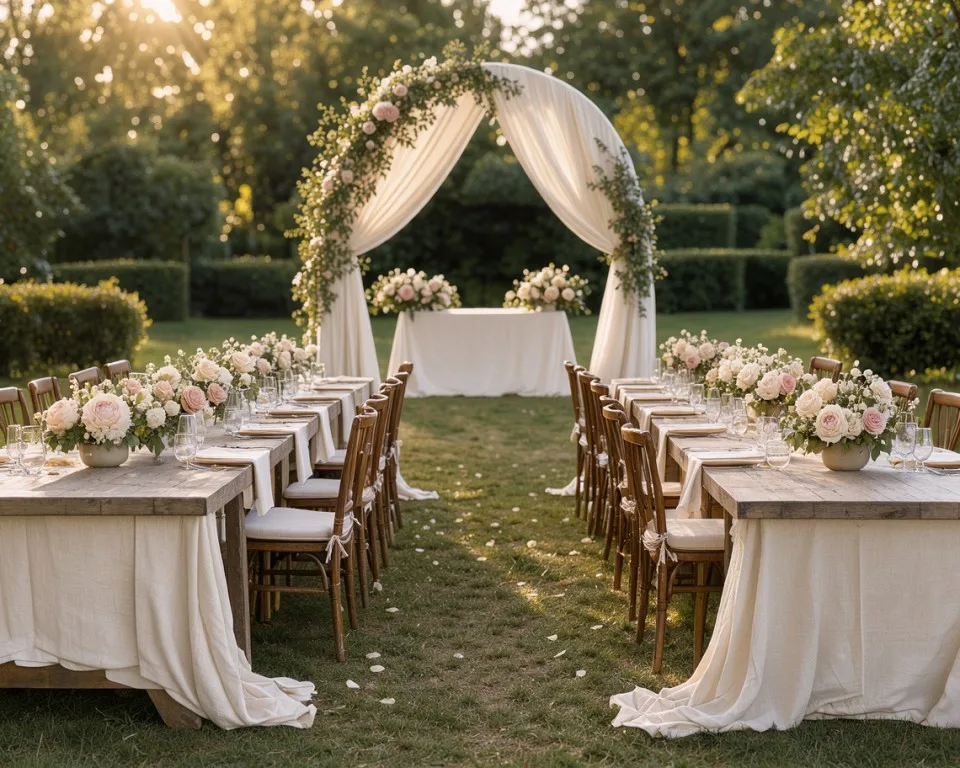
Rent bulky pieces and high-volume essentials
Table linens, tableware, arches, lounge furniture, chairs, and large floral vessels often make practical rentals. This is true when you need many pieces or need them once.
A plan for 150 guests may use about 15-18 tables. The seating layout sets the actual count.
Rental linens spare you from cleaning, folding, pressing, and storing them. Large tableware orders also create work after the event.
One hundred or 150 place settings can take up space and need cleaning. Renting furniture also means you do not store it between events.
Room size and photo views can shape your arch choice. See these indoor wedding backdrop ideas before choosing a large piece.
Floral vessels should suit the space and the flowers. These flower tips for weddings can help you think about fit and care.
Buy personal details you will use again
Small custom signs, a guest book, frames, and cake stands can make good purchases. You can keep them as keepsakes or use them at home.
A candle holder or other small accent may work well at home later. Buy it only if you have a clear use beyond the wedding day.
Bulk napkins may cost less to buy than rent. Reselling them still takes time to clean and package each item.
Furniture is a better buy only when you have a real future use. You also need room to store and maintain it.
For table ideas, browse these wedding centerpiece styles and choose pieces that suit your room.
Treat a large furniture purchase as a home-furnishing decision too, since it needs storage and maintenance after the event.
Compare the Full Quote and Build a Hybrid Plan
A styled rental photo is not an inventory list, so confirm each pictured piece against the written quote.
Compare the same quantities and service level. A rental package may cover a group of items, while another quote lists each piece alone.
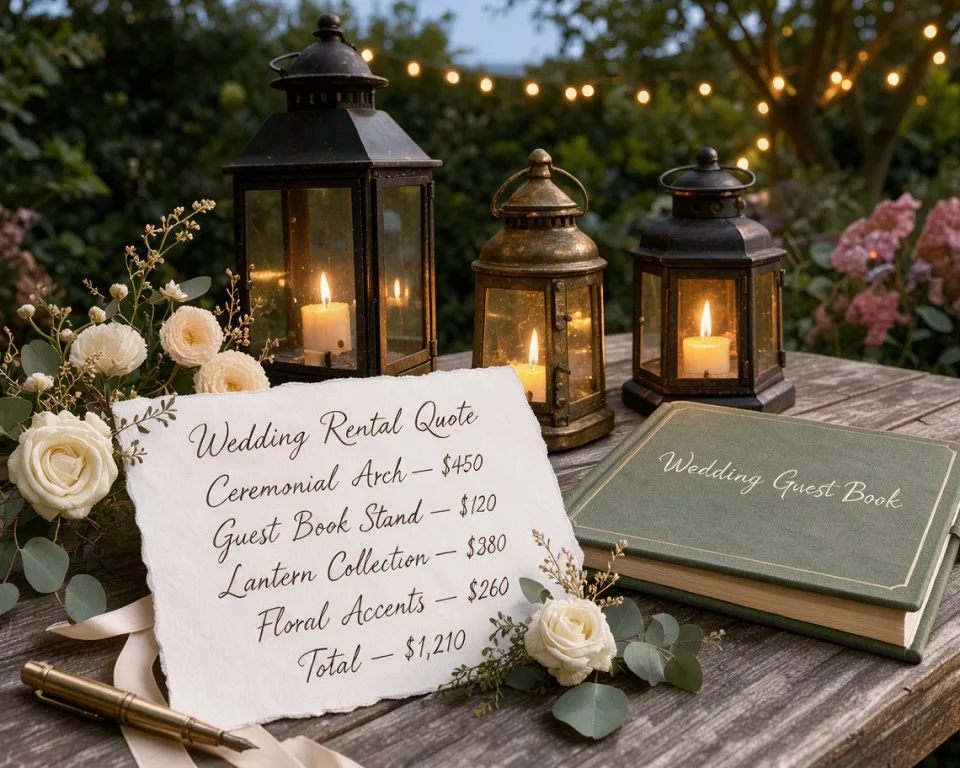
Check item allowances, quantities, exclusions, and service level. Ask whether delivery, setup, breakdown, and returns are part of the price.
Photos may show flowers, candles, or linens from other vendors. A florist, candle vendor, or linen provider may supply those pieces.
Buying also takes work beyond finding each item. You may need to source matching pieces, arrange shipping, and find storage.
Plan for protected transport, assembly, and placement. After the event, account for cleaning, collection, and what you will keep, donate, or resell.
A mixed plan can keep a personalized guest book while renting an arch, lanterns, or sign stands. See these candle and centerpiece ideas for possible rental details.
Campground weddings may call for different pieces, such as lanterns. These outdoor wedding ideas show options for open-air spaces.
Before signing, mark every quoted line as included, excluded, or separately charged.
Conclusion
A short, shared decision sheet can keep your final décor choices aligned with the experience you want to create.
Record each planned piece as rent, buy, or skip. Add a short note about its role, so you remember why it belongs in your plans.
The best choices support the wedding day without leaving you with work you do not want. Your home should not become a storage space for items you chose on impulse.
Share the sheet with your coordinator, who can flag venue needs or timing issues. A quick review may catch a missed detail before it adds stress.
Review the sheet with your coordinator before you commit to any remaining décor purchases or rentals.