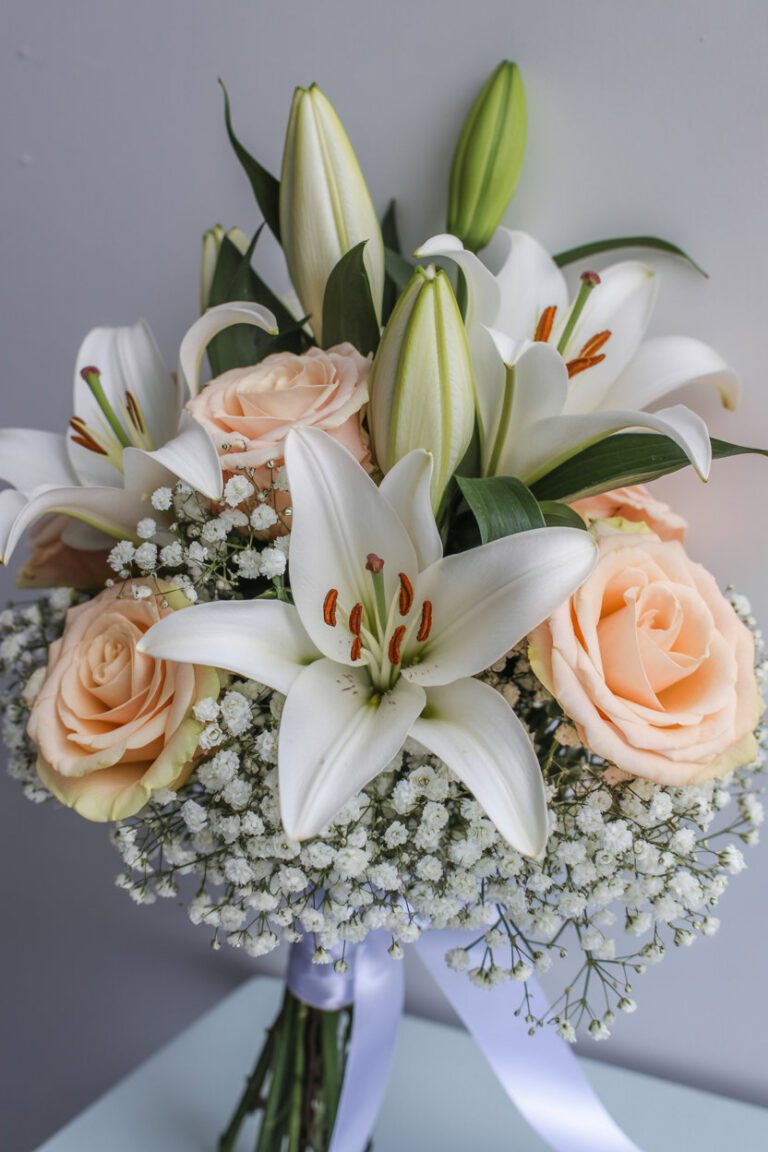
Beautiful Garden Style Wedding Bouquet Ideas
A garden-style wedding bouquet looks effortless—but that ease is carefully designed. Loose stems, natural movement, and just the right amount of imperfection create a bouquet that feels romantic, modern, and deeply personal all at once.
It’s the kind of floral choice that photographs beautifully, ages well in albums, and never feels overstyled—because its beauty comes from balance, not symmetry.
This post may contain affiliate links, please refer to privacy policy for more information.
Garden-Style Bouquet vs. Wildflower Bouquet

Garden-style and wildflower bouquets are often grouped together, but they’re built on very different ideas. A garden-style bouquet is curated first and organic second—it’s designed to feel natural while still following a clear color story, stem hierarchy, and overall shape. This balance is what gives garden bouquets their refined, editorial quality, a distinction frequently noted in professional floral breakdowns from publications like Brides.
Wildflower bouquets, by contrast, lean into spontaneity. They often feature smaller blooms, looser color variation, and a “meadow-picked” look that feels intentionally casual. While garden-style bouquets may borrow light, airy elements from wildflower designs, they’re anchored by larger focal blooms that provide structure and visual weight—one of the key differences explored in more detail in this wildflower bouquet guide.
If you’re deciding between the two, consider the overall tone of your wedding. Garden-style bouquets work beautifully for refined outdoor weddings, estate venues, vineyards, and romantic destinations, where intentional design still matters. Wildflower bouquets feel most at home in relaxed, rustic, or countryside settings—and for brides recreating the look with faux stems, flexible wildflower-style florals like these artificial stems can help achieve that softer, unstructured effect.
Flowers That Define the Garden Look

The most successful garden-style wedding bouquets rely on contrast—lush focal blooms balanced with lighter, more delicate stems. The arrangement should feel layered and dimensional, with each flower playing a clear role rather than competing for attention. This approach mirrors how flowers grow naturally in a garden, a principle often highlighted in editorial floral features from sites like Martha Stewart Weddings.
Large, romantic blooms typically anchor the bouquet. These flowers create visual weight and help establish the overall shape, giving the design intention even when it appears loose. Garden roses and peony-style blooms are especially effective here, whether fresh or faux—high-quality options like real-touch rose stems or peony-style florals provide fullness without looking stiff.
Surrounding those focal flowers are softer supporting stems that add movement and keep the bouquet from feeling structured. Airy florals inspired by meadow blooms—similar to those featured in this wildflower bouquet breakdown—help create that relaxed, garden-grown effect while still maintaining balance.
Greenery is equally important in defining the garden aesthetic. Instead of dense filler, garden bouquets rely on airy greens and trailing elements that frame the flowers rather than crowd them. Olive branches, eucalyptus, and soft vines—like artificial olive greenery or seeded eucalyptus stems—add movement and negative space, resulting in an arrangement that feels freshly gathered, balanced, and visually calm.
Color Palettes That Work Best for Garden-Style Bouquets

Garden-style bouquets are most effective when the color palette feels restrained and intentional. Soft neutrals—ivory, cream, blush, and warm white—are classic choices because they allow texture, movement, and flower shape to take center stage rather than relying on high-contrast color. This quiet approach to color is a hallmark of timeless floral design and is frequently seen in real weddings featured by Brides.
For brides who want more color, garden palettes work best when anchored by one dominant tone and supported by subtle variations. Peach, coral, butter yellow, soft blue, or muted lavender can all feel organic when paired with natural greens and neutral florals. Citrus-inspired palettes, for example, work beautifully when softened with cream or ivory blooms—an approach explored further in this island citrus bouquet color guide.
What matters most is cohesion. Garden-style bouquets lose their elegance when too many competing colors are introduced or when tones feel overly saturated. A limited palette allows the bouquet to feel grown rather than assembled and ensures it complements the dress, venue, and overall wedding design without overpowering it. High-quality faux florals, such as soft-toned garden rose stems, can help maintain consistent color throughout the bouquet, especially for destination or off-season weddings.
Seasonal Garden Bouquets: What Works and When

Seasonality plays a quiet but important role in creating an authentic garden-style wedding bouquet. Flowers that are naturally in bloom tend to look softer, fresher, and more cohesive—and they generally hold up better throughout the wedding day. Designing with the season in mind keeps the bouquet from feeling forced or overly styled, a principle echoed in many real-wedding floral features published by The Knot.
Spring garden bouquets are the most romantic by nature, filled with lush blooms, gentle color transitions, and airy movement. Peonies, ranunculus, and garden roses thrive here, making spring ideal for brides drawn to soft pastels and abundant florals. Early-season inspiration and bloom timing are explored more fully in this April wedding flowers guide.
Summer garden bouquets lean brighter and lighter. Stronger greenery, fewer heavy focal blooms, and warm-toned palettes help maintain balance in higher temperatures. Fall garden bouquets, on the other hand, shift toward texture over volume—muted tones, layered greenery, and looser shapes preserve the garden feel without tipping into rustic territory. When flowers align with the season, the bouquet feels effortless rather than curated.
Shape, Scale, and Stem Styling

Garden-style wedding bouquets are typically designed with a relaxed, asymmetrical shape rather than a perfect round. This softness allows the bouquet to move naturally and feel integrated with the bride instead of reading as a separate, structured accessory. The design should look organic from every angle, especially in candid photography.
Scale matters more than most brides expect. Garden bouquets often appear fuller and slightly oversized because negative space and varied stem lengths create visual width. When done well, the bouquet looks abundant without feeling heavy—an effect that can be achieved with long-stem florals like garden-style faux roses or layered greenery such as eucalyptus stems.
Stems are usually hand-tied and left partially exposed, reinforcing the just-gathered, organic look. Soft silk or chiffon ribbons—often trailing rather than tightly wrapped—complete the style. Neutral ribbon options like silk ribbon spools or delicate pins such as pearl-headed bouquet pins add polish without distracting from the flowers themselves.
Dresses, Venues, and Garden Bouquet Pairings

Garden-style wedding bouquets pair best with bridal looks that emphasize softness and movement. Lace gowns, silk slip dresses, airy A-line silhouettes, and understated tailoring all complement the organic shape of a garden bouquet. Highly structured ball gowns or heavily beaded dresses can feel visually disconnected unless the bouquet is scaled up to match.
Venue plays an equally important role. Garden-style bouquets feel most natural at estate weddings, vineyards, private gardens, backyard celebrations, and destination settings where the surroundings already echo an outdoor, lived-in beauty. This pairing philosophy—matching florals to environment rather than forcing contrast—is frequently seen in real weddings featured on Brides.
Color and texture should tie everything together. A neutral dress paired with a softly layered bouquet allows the flowers to shine, while venues with strong architectural elements benefit from bouquets that lean greener and more restrained. For weddings inspired by meadow or countryside aesthetics, this wildflower wedding ideas guide offers additional visual context that overlaps naturally with garden styling.
Fresh vs. Faux Garden Bouquets

Fresh flowers are the traditional choice for garden-style bouquets, offering unmatched scent, texture, and natural variation. However, faux garden bouquets have become increasingly popular for destination weddings, outdoor summer ceremonies, allergy concerns, or brides who want a lasting keepsake. When chosen carefully, faux florals can closely mimic the look of fresh arrangements.
The key to a realistic faux garden bouquet is quality and restraint. Real-touch blooms, soft color palettes, and natural stem variation prevent the bouquet from looking stiff or artificial. Faux florals like real-touch rose stems and peony-style blooms work especially well as focal flowers when paired with airy greenery.
Many brides opt for a hybrid approach, mixing faux focal blooms with real greenery for texture and scent. Faux bouquets also allow for early styling, easier travel, and consistent color—benefits often highlighted by planning resources such as The Knot. When designed thoughtfully, both fresh and faux garden bouquets can achieve the same effortless, editorial finish.
Cost Expectations & Floral Budget Reality

Garden-style wedding bouquets often cost more than they appear to at first glance. Their loose, organic look requires a higher stem count, premium focal blooms, and more hands-on design time than tightly structured arrangements. What looks effortless is usually the result of careful flower selection and skilled floral mechanics.
Fresh garden bouquets typically range higher due to seasonal availability and labor, especially when featuring blooms like garden roses or peonies. Faux bouquets can offer a more predictable price point and eliminate concerns about wilting, weather, or last-minute substitutions. High-quality faux florals—such as real-touch rose stems or layered greenery like eucalyptus accents—allow couples to control costs without sacrificing the garden aesthetic.
If budget is a concern, prioritize the bridal bouquet and simplify supporting florals. A single, well-designed garden bouquet has far more visual impact than multiple smaller arrangements competing for attention.
Garden-Style Wedding Bouquet FAQs

Are garden-style bouquets more expensive than traditional bouquets?
Often, yes. Garden-style bouquets usually require more stems and higher-end blooms to achieve their layered, organic look. The added design time also contributes to the overall cost.
Do garden-style bouquets work for formal or black-tie weddings?
They can, when designed thoughtfully. A restrained color palette and refined bloom selection allow garden bouquets to feel elegant rather than casual, even in formal settings.
Are garden bouquets heavier to carry?
They can feel fuller, but proper balance keeps them comfortable to hold. Experienced florists design these bouquets to distribute weight evenly despite their loose appearance.
What flowers hold up best for outdoor weddings?
Hardier blooms like garden roses, ranunculus, and certain greenery tend to perform well outdoors. Faux or hybrid bouquets are often recommended for high heat, wind, or destination weddings.
Can a garden-style bouquet be preserved?
Yes. Fresh bouquets can be pressed or preserved using silica gel, while faux bouquets naturally last indefinitely. Many brides choose faux designs specifically for keepsake purposes.
Is a garden-style bouquet DIY-friendly?
It can be, but the look is harder to achieve than it appears. Using high-quality faux stems and limiting the color palette helps DIY bouquets feel intentional rather than messy.
How loose is too loose?
If the bouquet lacks a clear focal point or color direction, it can appear unfinished. Successful garden bouquets still have structure—it’s simply disguised by softness and movement.
Final Thoughts on the Garden-Style Wedding Bouquet
A garden-style wedding bouquet is less about perfection and more about balance. When done well, it feels natural without being random, romantic without being overworked. Its appeal lies in intentional imperfection—each stem placed with care, yet never calling attention to the effort behind it.
Whether you choose fresh blooms, faux florals, or a combination of both, the garden aesthetic rewards restraint, seasonality, and thoughtful design. When aligned with the dress, venue, and overall wedding vision, a garden-style bouquet becomes more than an accessory—it becomes part of the story.
For visual planning and color inspiration, this is a style worth saving and revisiting throughout the planning process. Garden bouquets age beautifully, both in photographs and in memory.