How to Build a Wedding Day Timeline That Keeps Things on Schedule
A workable wedding day timeline starts with your ceremony time and gives each major moment room to happen. Add realistic durations, transitions, and buffer time so your wedding party, guests, family, and vendors share one schedule.
Buffer time means unassigned time between scheduled events that absorbs delays without pushing the rest of the day off schedule. A typical wedding day runs 8-12 hours, from the start of getting ready to the final send-off.
That is a long day to manage by memory or separate text messages. A shared plan helps your venue team, photographer, and family know where to be.
It also gives guests a smoother day, from their arrival through dinner and the last dance. You can enjoy the people around you instead of answering timing questions.
Keep the schedule clear enough to guide the day, but flexible enough for real life. Treat it as a practical guide that lets you be present, not as a demand to make every moment happen to the minute.
What Sets the Shape of Your Schedule?
Your venue, ceremony start time, travel, first-look choice, and local sunset shape the rest of the day. January is the rarest month for U.S. weddings in most years, with February second-rarest.
A typical wedding day lasts 8-12 hours, from getting ready through the send-off. Your season, guest count, and venue rules can change how those hours fit together.
For November through March weddings, sunset falls between 4:30 p.m. and 5:30 p.m. That early light can affect an outdoor ceremony and your portrait plans.
The U.S. marriage data by month shows how wedding counts vary across states and seasons. Your own date and place still matter most when planning daylight.
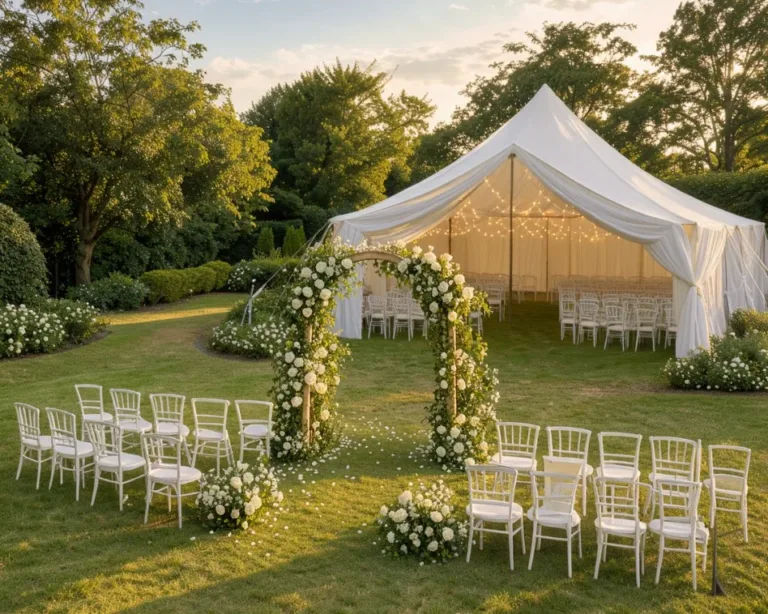
Decide whether the ceremony and reception share one venue. If they do not, include the drive, parking, and time for guests to find the next space.
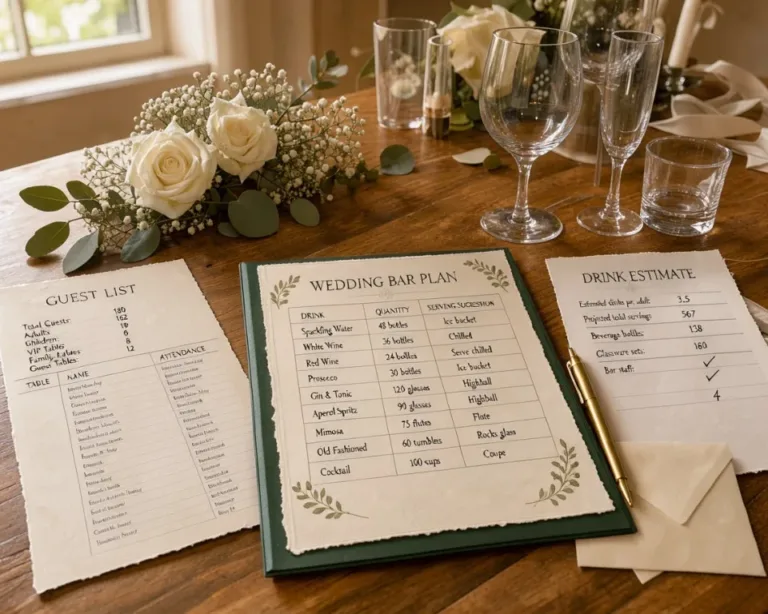
Your family and guest count may affect seating, meal service, and how quickly people can move between rooms. A clear guest list plan can help you estimate the size of the event and its needs.
Confirm your ceremony and dinner times before placing smaller events around them. Check the venue’s event end time and breakdown window before settling on a send-off time.
How Do You Build a Wedding Day Timeline?
Build your draft outward from the ceremony time, then work backward to getting ready and forward through the reception. A useful wedding day timeline shows what happens, where, for how long, and who handles each task.
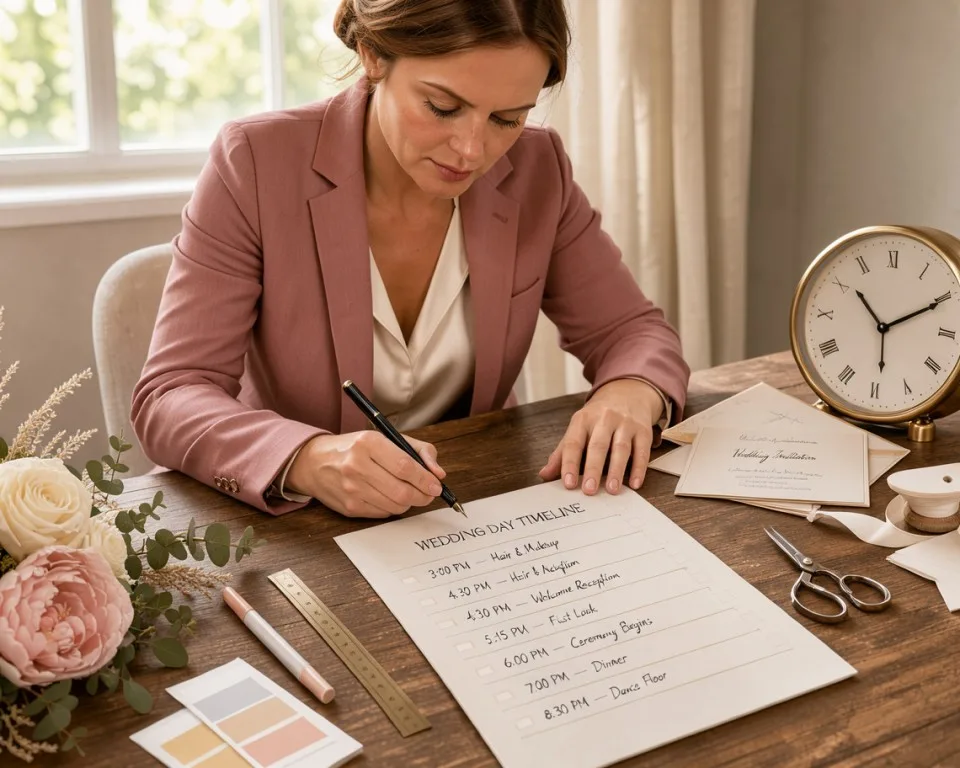
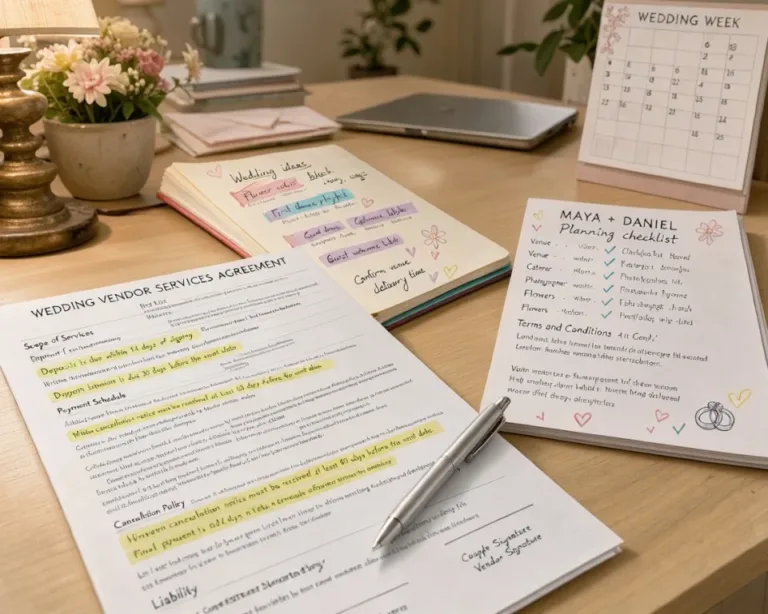
A free wedding day timeline template can be a simple, editable sheet. Give it columns for start time, activity, duration, location, and person responsible.
Anchor the schedule at the ceremony and work both ways
Write down the ceremony time first, then mark dinner and the venue’s end time. Those fixed points set the edges of your day timeline.
Work backward from the ceremony to find when everyone must be dressed and when getting ready begins. Work forward from the ceremony through cocktail hour, the reception entrance, dinner, and the send-off.
Place movable events, such as portraits and speeches, around those fixed points. Your wedding timeline should also show travel and room changes, not just the main events.
A wedding planning timeline covers months of choices, while this schedule covers one day. Use a month-by-month wedding planning timeline for the larger task list.
Make a usable draft and protect it with buffers
Leave 10-15 minutes between major moments for movement and small delays. A five-minute task on a normal day may take 30 minutes on your wedding day.
Use that 30/5 rule when you add dressing, room changes, or quick family tasks. Do not fill every open minute with another job.
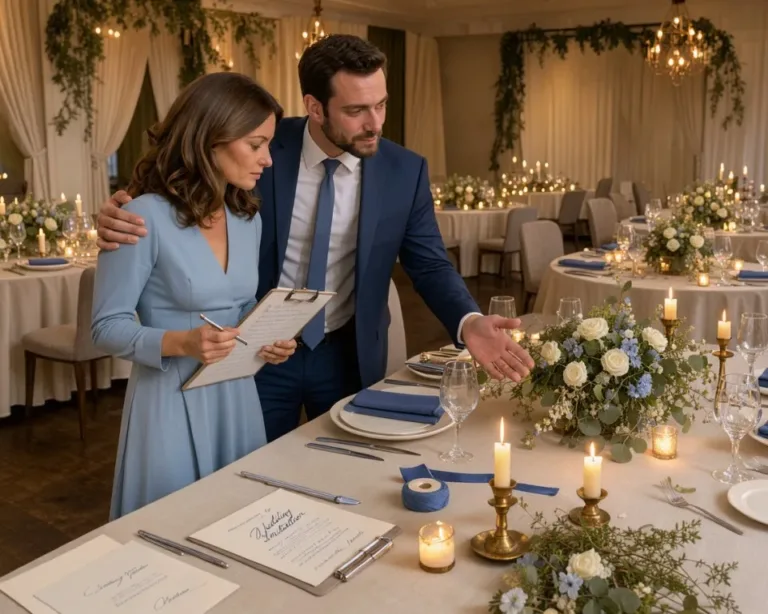
Build the first draft in a shared file that your planner can edit. Ask your photographer and planner to review the plan for timing conflicts.
Finalize the schedule about a month before the wedding, then confirm timing about a week out. Share the final timeline with every vendor, so no one works from an outdated version.
Forgetting a clear plan can let small delays spread through the day. Read these wedding planning mistakes to avoid before you lock your schedule.
Set a Realistic Ceremony Block
For a civil ceremony, reserve 20-30 minutes; for a religious ceremony, reserve 45 minutes to an hour. The ceremony block should include the entrance, vows, and exit.
Seat guests 20-30 minutes before the ceremony start time. This gives them time to find seats without making the room feel rushed.
Include 5-10 minutes for the processional and about five minutes for the recessional. Both are part of the ceremony time, not extra events after it.
Keep at least 15 minutes between the ceremony ending and cocktail hour starting. Guests may offer congratulations, take quick photos, or need help finding the next space.
A religious format or the officiant’s needs can change the ceremony block. A reading, blessing, or other part of the service may need extra time.
Be clear about the guest-facing start time on invitations and signs. Confirm the ceremony’s expected length with your officiant before you publish the guest-facing start time.
Choose Where Portraits Fit
A first look lets you finish most formal portraits before the ceremony, while waiting for the aisle shifts photo time into the post-ceremony window. Your choice affects the couple, wedding party, and family schedule.
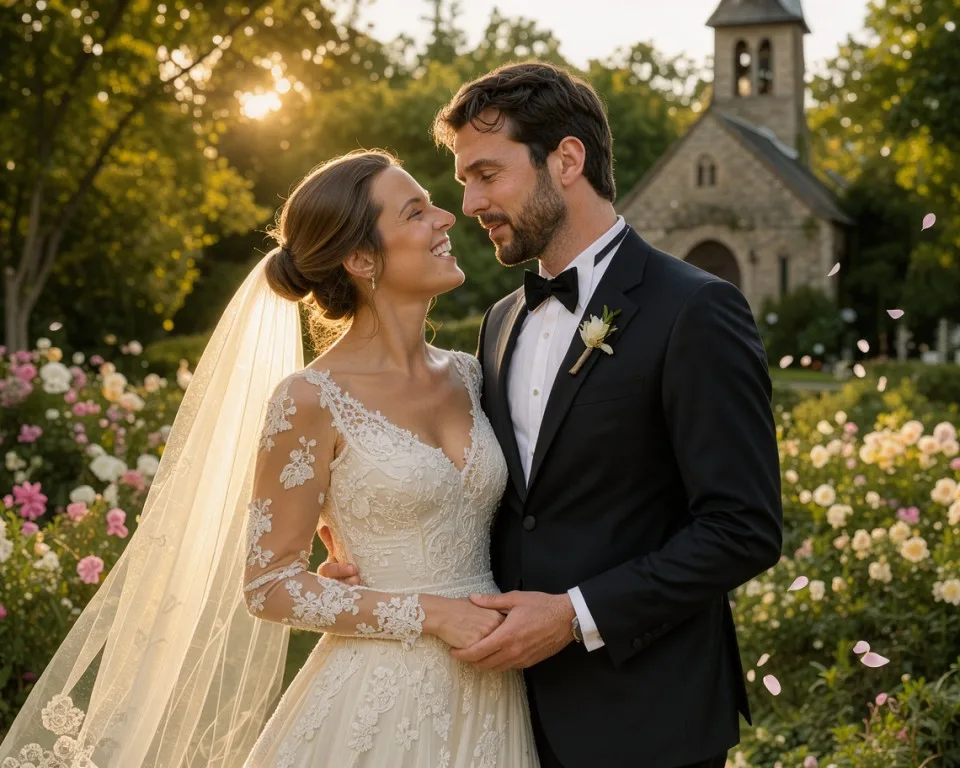
A first look moves most portraits before the ceremony
A first look gives you a private meeting before the ceremony and opens a photo block earlier in the day. Couple portraits usually take 30-45 minutes, and wedding-party portraits take about 30 minutes.
A wedding-party first look can take about 10 minutes. You can then take group photos while everyone is dressed and gathered.
Ask your photographer which portrait order best fits your venue and light. A short list of wedding photo ideas can help you choose the moments you most want to remember.
Without a first look, protect time after the ceremony
Skipping a first look keeps the aisle as your first meeting. It also moves most formal photos to after the ceremony.
Couple portraits alone usually take 20-30 minutes of cocktail hour without a first look. Your wedding party and family formals may need more time after that.
Let guests know where to go while photos happen. Your photographer can help you set the order so people are not left waiting for direction.
Keep family formals focused and organized
Family formals take about five minutes per grouping. Keep the list to 10-15 groupings, and name each group clearly.
Choose someone who knows both sides of the family to gather people for each photo. That person can find relatives while the photographer keeps the portraits moving.
Set aside a 15-minute sunset portrait block about 45 minutes before sunset. The exact time depends on your date and location.
Share the photographer’s plan with anyone who needs to appear in portraits. Give the photographer a named family-photo list and a designated wrangler before the wedding day.
Plan Getting Ready Without a Rushed Morning
Work backward from when everyone must be dressed, then allow a separate appointment block for each person receiving hair and makeup. This makes the getting-ready start time easier to set.
Schedule beauty services by person
Plan 60-75 minutes for hair and makeup per person, and 90 minutes for the bride. Ask the beauty team how many artists will work and what order they suggest.
Write each appointment beside the person’s name, not just the service name. This lets you see who must finish first for portraits or dressing.
Include time for people who need only one service, too. Makeup may take a different block from hair, so use the team’s estimate for each appointment.
Leave room for details and getting-ready photos
Reserve 45 minutes for wedding-detail photos and 60-90 minutes for getting-ready photos. The photographer needs the requested items ready when they arrive.
Gather clothing, rings, invitations, and other requested details in one place. This keeps people from searching through bags while the photographer waits.
Set a real meal time before the ceremony. Even a simple meal is easier to eat when it has a place on the schedule.
Keep the room clear enough for people to dress and move around. Add a final touch-up and dressing cushion rather than scheduling the last service to end at the exact departure time.
Give Guests Room to Move Through Cocktail Hour
A 60-90-minute cocktail hour gives guests time to mingle while remaining portraits and venue transitions happen. Choose the length based on what must still happen after the ceremony.
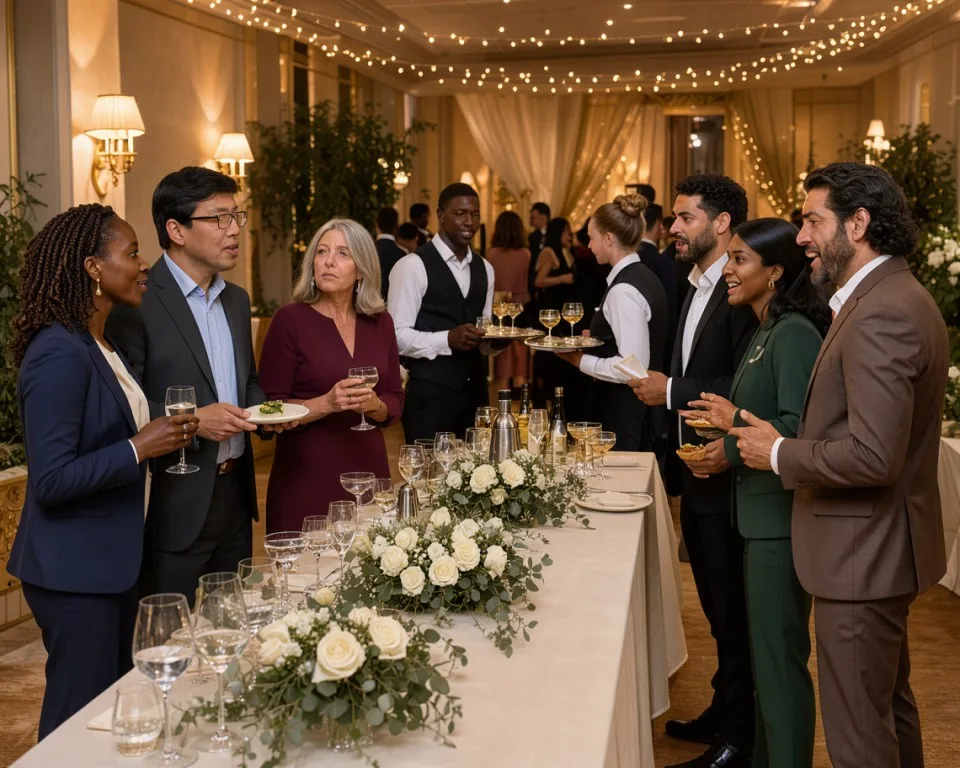
Match cocktail hour to the photo plan
The shorter end works when you finish most photos before the ceremony. A longer cocktail hour gives more room when portraits remain afterward.
Guests need a clear place to go as soon as the ceremony ends. Ask the venue team where they should gather and how they will hear about the reception.
If the cocktail hour sits in a different room, make the route easy to follow. Signs or staff can help family members and guests move without confusion.
Account for travel and other transitions
Allow 10-15 minutes for travel between locations and other major transitions. Use the real route, not a map estimate alone.
Confirm who moves equipment, flowers, or guests between spaces. Your venue team may need time to reset the ceremony room before dinner begins.
Check whether the ceremony space must be cleared or rearranged before the reception. That work may affect where guests wait and when dinner can start.
Ask your planner or venue lead to walk the route with you. Walk the route between each event space and use the actual travel time in the schedule.
Arrange the Reception Around Dinner and Dancing
A clear reception sequence moves from introductions and a first dance into dinner, formalities, open dancing, and the send-off. Keep the plan simple enough for guests and vendors to follow.
Choose a reception sequence that flows
A typical wedding reception timeline starts with grand entrances for the wedding party and couple. The first dance can follow, then a welcome speech or blessing.
Dinner usually comes next, followed by parent dances and toasts. Cake cutting, open dancing, the last dance, and send-off can close the reception.
This order gives guests a clear path from arrival to the dance floor. You can move parent dances or speeches to fit dinner service.
Avoid stacking every formal moment together. Space them around meal service so guests can eat, listen, and dance without a long pause.
If you are planning an indoor party, consider indoor reception decor ideas that keep paths to tables and the dance floor clear.
Reserve enough time for food, speeches, and cake
Allow 45 minutes for buffet dinner service or 90 minutes for plated dinner service. A buffet can bring guests through food stations in groups.
Learn more about buffet-style wedding reception ideas if that service fits your meal plan. Speeches and toasts add about 20-30 minutes to the schedule.
Reserve 15-20 minutes for cake cutting, photos, and serving. That block covers more than the time it takes to cut the first slice.
Allow 10-15 minutes for the first dance and parent dances. Confirm the dinner-service format with the caterer before fixing the start of speeches and dances.
Sample Timelines for 1 p.m., 2 p.m., 3 p.m., and 4 p.m. Ceremonies
Choose the sample closest to your ceremony start, then adjust its portrait, travel, and dinner blocks to fit your venue. Each sample is a starting point, not a fixed script.
Adapting the day to a 1 p.m. ceremony
For a wedding day timeline for a 1 p.m. ceremony, work backward from the ceremony. Use your beauty, dressing, and portrait blocks to find a realistic morning start.
A first look can place most portraits before the ceremony. Without one, set time after the ceremony for formal photos, then plan guest movement and dinner.
Count travel and room changes before choosing each start time. This keeps an early ceremony from turning into a rushed morning.
Sample schedule for a 2 p.m. ceremony
This wedding day timeline for a 2 p.m. ceremony starts getting ready at 7 a.m. The first look begins at 11:30 a.m. for couples choosing that plan.
Without a first look, wedding-party portraits and family formals begin at 1 p.m. The ceremony starts at 2 p.m., and cocktail hour starts at 2:30 p.m.
The grand entrance and reception start at 4 p.m., followed by dinner at 4:15 p.m. The reception end window is 8:30-9 p.m.
Sample schedule for a 3 p.m. ceremony
This wedding day timeline for a 3 p.m. ceremony starts getting ready at 8 a.m. The first look begins at 1 p.m., followed by couple portraits at 1:30 p.m.
Wedding-party portraits and family formals begin at 2:15 p.m. The ceremony starts at 3 p.m., and cocktail hour starts at 3:30 p.m.
The entrance begins at 5 p.m., with dinner and toasts at 5:15 p.m. The reception end window is 10-11 p.m.
Sample schedule for a 4 p.m. ceremony
This wedding day timeline for a 4 p.m. ceremony starts with a first look at 2 p.m. Couple portraits begin at 2:30 p.m., followed by wedding-party portraits at 3:15 p.m.
Family formals begin at 3:45 p.m., and the ceremony starts at 4 p.m. Cocktail hour starts at 4:30 p.m., with dinner at 6 p.m.
One sample places sunset portraits at 7:45 p.m. Exact sunset timing depends on your date and location.
The reception end window is 10:30-11 p.m. Use the sample as a starting framework and verify every end time against the venue’s contract.
Conclusion
A useful timeline gives each important moment room to happen without requiring you to manage the clock yourself. Realistic buffers and a named day-of point person let you stay present with your guests.
Your planner, coordinator, or trusted point person can answer timing questions while you enjoy the celebration. Send your current draft to your planner and photographer and ask them to flag timing conflicts before you finalize it.
FAQ
What is the timeline of a wedding reception?
What is the rarest month to get married?
How long for wedding photos?
What is the 30-5 minute rule for weddings?
Do you need a first look to keep wedding photos on schedule?
</numerusform