How Much Does a Wedding Planner Cost?
Quick Answer: Wedding planners typically cost between $1,200 and $15,000+, depending on the level of service you choose. Day-of coordination runs $1,200–$2,500, partial planning falls between $2,500–$6,000, and full-service planning costs $4,000–$15,000 or more. The national average is around $4,000. (Source: Zola Wedding Cost Index, 2026)
You’re engaged. You’re excited. And about ten minutes into wedding research, you’ve somehow found prices ranging from $800 to $25,000 for the same thing — a wedding planner. No wonder it’s hard to know where to start.
The truth is, wedding planner pricing varies this much because it’s not one job — it’s three very different jobs with three very different price tags. Whether you need someone to take over everything or just someone to make sure your big day doesn’t fall apart, there’s a service level that fits your needs and your budget.
What most online guides miss is the part that actually matters: helping you figure out which type of planner is right for you. Knowing that a day-of coordinator costs $1,500 doesn’t help much if you don’t know whether a day-of coordinator is even what you need.
By the end of this breakdown, you’ll know exactly what each type of wedding planner costs, what you actually get for the money, which option makes sense for your situation, and what questions to ask before you sign anything.

The Three Types of Wedding Planners and What Each Costs
Before you can compare prices, you need to understand what you’re comparing. Wedding planners offer three main service tiers, and each one is a completely different scope of work. Here’s how they break down.
Full-Service Wedding Planner ($4,000–$15,000+)
A full-service wedding planner is your partner from the moment you get engaged to the moment you wave goodbye at the end of the reception. They handle everything — budget creation, venue scouting, vendor selection, contract review, design and decor, rehearsal coordination, and full day-of management. Most full-service planners start working with you 12–18 months before the wedding. (Source: Zola Wedding Cost Index, 2026)
The national average for full-service planning sits around $5,500, though couples in major cities like New York or Los Angeles regularly pay $7,000–$12,000 or more. (Source: eventplanning.com, 2026) If you’re planning a luxury or destination wedding, expect to go higher — sometimes significantly.
Full-service is ideal if you want to hand over the reins completely. Planners typically spend 50–200 hours on a single wedding, which is a lot of work off your plate. (Source: Association of Bridal Consultants)
Partial Wedding Planner ($2,500–$6,000)
A partial planner — sometimes called a “month-of plus” coordinator — comes in after you’ve already made some decisions but before everything is locked down. They typically take over 4–6 months before the wedding to help finalize remaining vendors, review contracts, build your timeline, run the rehearsal, and manage the wedding day itself.
This middle-ground option works well for couples who love planning and want to stay hands-on, but need professional support for the final stretch. It’s also a good fit if your wedding budget can’t stretch to full-service but you still want experienced oversight on the day that matters most.
Partial planning packages average around $3,200 nationally, though the price swings quite a bit based on how many months of support are included. (Source: eventplanning.com, 2026)
Day-of Coordinator ($1,200–$2,500)
Despite the name, a day-of coordinator doesn’t actually show up cold on your wedding day. A good one takes over 4–8 weeks before the wedding to learn your plans, confirm all your vendors, build the timeline, run the rehearsal, and then execute everything on the day itself.
What they don’t do is help you find or choose vendors. You handle all of that yourself. They manage what you’ve already put in place.
Day-of coordination is the most budget-friendly option, averaging $1,800 nationally. (Source: eventplanning.com, 2026) It’s perfect for couples who genuinely enjoy planning but want a professional to take over so they can actually enjoy their wedding day without managing logistics.
| Service Type | Price Range | When They Start | Best For |
|---|---|---|---|
| Full-Service Planner | $4,000–$15,000+ | 12–18 months out | Couples who want everything handled |
| Partial Planner | $2,500–$6,000 | 4–6 months out | Couples who started planning but need help finishing |
| Day-of Coordinator | $1,200–$2,500 | 4–8 weeks out | DIY planners who want stress-free execution |
What’s Actually Included in Each Package?
Pricing is one thing. Knowing exactly what you’re paying for is another. Here’s a plain-language breakdown of what each tier typically covers — because “full-service” can mean very different things from one planner to the next.
Full-service planners typically handle:
- Budget creation and expense tracking throughout the planning process
- Venue research, tours, and booking
- Vendor sourcing, vetting, and contract negotiation
- Design and decor conceptualization — color palettes, florals, layout
- Guest list management and RSVP coordination
- Rehearsal dinner coordination
- Full day-of management from setup to the last dance
Partial planners typically handle:
- Completing vendor selection for any remaining slots
- Reviewing and organizing existing vendor contracts
- Building the master wedding day timeline
- Rehearsal coordination
- Day-of management and vendor coordination
Day-of coordinators typically handle:
- Reviewing all of your existing plans and contracts 4–8 weeks out
- Confirming every vendor in the days before the wedding
- Creating and distributing the day-of timeline
- Running the rehearsal
- Managing all vendor arrivals, setups, and logistics on your wedding day
One thing worth noting: if something is labeled “day-of coordination” in a contract but the planner won’t start until the literal day of the wedding, that’s a red flag. No professional coordinator shows up without weeks of preparation first.
Which Wedding Planner Type Is Right for You?
This is the question most pricing guides completely ignore, and it’s honestly the most useful one to answer. Use the following checklist to figure out where you land.
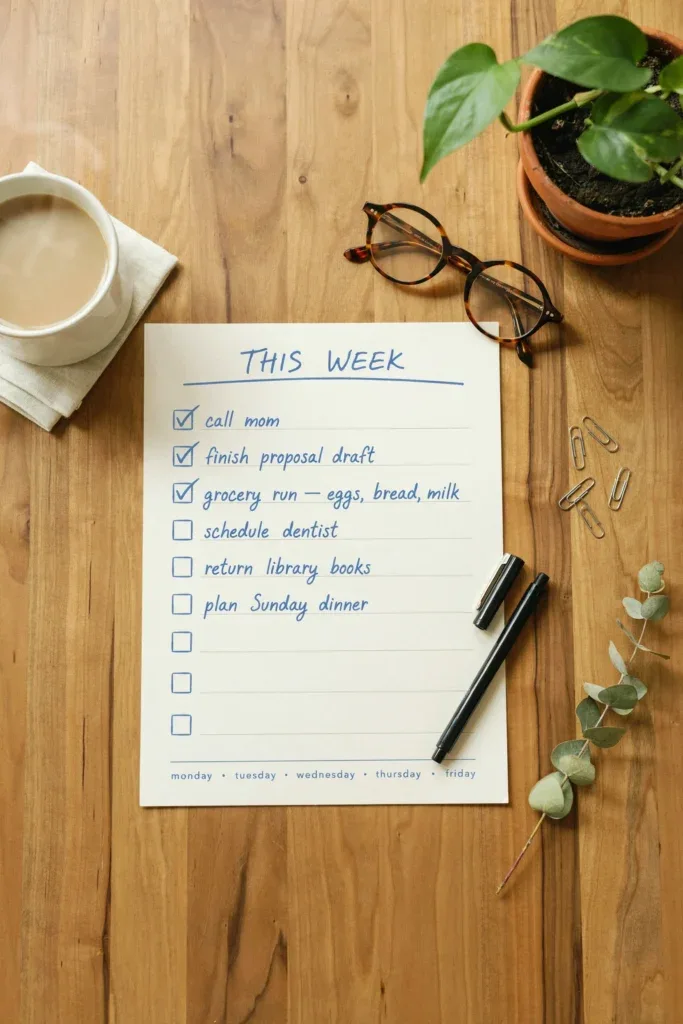
Score yourself by answering each question honestly:
- How overwhelmed do you feel right now? If the answer is “extremely” or “I don’t even know where to start” — lean toward full-service or partial planning.
- How much time do you have for planning? If you’re working full-time, managing kids, or both, full-service is probably worth every penny. If you have a relatively flexible schedule and actually enjoy this kind of organizing, a day-of coordinator may be enough.
- How many guests are you expecting? Weddings with 150+ guests have significantly more moving parts. Larger weddings benefit most from at least partial planning support.
- Do you know your vendors yet? If you still need to find a photographer, florist, caterer, and DJ — you need at least partial planning. A day-of coordinator won’t help with that.
- What’s your budget? Check out this complete wedding budget guide to see how planner costs fit into your overall spend. If your budget is tight, a day-of coordinator gives you the most protection for the lowest cost.
If you scored mostly “full-service” signals: You want someone who handles everything. Book a full-service planner as soon as possible — ideally 12–18 months before your date. Top planners in popular markets book out fast.
If you’re somewhere in the middle: A partial planner is your sweet spot. You keep control of the parts you enjoy, and a professional handles the rest.
If you’re a natural organizer who loves spreadsheets: A day-of coordinator protects your wedding day without paying for services you’d handle yourself anyway.
Still not sure? This guide walks through exactly when hiring a wedding planner makes sense — and when you can confidently skip it.
What Factors Affect Wedding Planner Pricing?
Now that you know the tiers, here’s why quotes vary so wildly even within those ranges. These are the biggest factors that push a price up or down.
Location
This is probably the single biggest variable. A full-service wedding planner in Manhattan averages around $5,922, while comparable services in St. Louis average around $3,654. (Source: Zola Wedding Cost Index, 2026) Planners in California often run 20–30% above the national average due to higher costs of living and more complex logistics. Rural markets typically run lower.
Guest Count
More guests means more vendors, more timelines, more logistics, and more hours. A 50-person dinner has very different coordination needs than a 250-person celebration with shuttles, multiple venue spaces, and a complex catering setup. Many planners factor your guest list directly into their pricing — some even add per-guest fees above a certain threshold.
Planner Experience
An established planner with a strong portfolio and trusted vendor relationships commands a higher fee — and typically delivers better value because of those relationships. That said, newer planners with strong reviews and fresh energy can be a great find, especially if your budget is tighter. Don’t discount someone new to the profession entirely; quality of work matters more than years of experience alone.
Wedding Complexity
Design-heavy weddings, multicultural ceremonies with specific customs, and destination weddings all require more planning hours. Tight venue load-in windows, tricky parking logistics, and elaborate décor setups also drive costs up. The more moving parts, the more a planner earns their fee.

How Do Wedding Planners Charge?
Understanding the fee structure matters as much as the total number. Here are the four most common pricing models and what to watch for with each.
- Flat fee: A set rate for a defined scope of services. The most transparent option — you know exactly what you’re paying and what’s included.
- Percentage of wedding budget: Typically 10–20% of your total wedding spend. This means costs scale with your budget. On a $30,000 wedding, expect to pay $3,000–$6,000 just for the planner. (Source: Wedding Spot)
- Hourly rate: Some planners charge $75–$250 per hour for à la carte consulting. Good for very specific help — like contract review or vendor sourcing only. (Source: Loverly)
- Hybrid model: A flat fee plus a percentage, or hourly for certain services and a flat rate for others. Common for partial planning packages.
Always ask which model a planner uses before your first consultation, so you can compare quotes accurately. A $3,000 flat fee and a “15% of budget” fee look very different on paper but could cost exactly the same — or wildly different — depending on your total wedding spend.
| Fee Structure | How It Works | Best For | Watch Out For |
|---|---|---|---|
| Flat fee | Set price for defined services | Couples who want price certainty | Scope creep if your wedding grows |
| % of budget | 10–20% of total wedding cost | Larger, complex weddings | Costs rise with every vendor you add |
| Hourly | $75–$250/hour | Targeted, à la carte help | Hours can add up fast |
| Hybrid | Mix of the above | Partial planning packages | Read the contract carefully |
Wedding Planner vs. Venue Coordinator: Not the Same Thing
This is one of the most common — and costly — misconceptions in wedding planning. A venue coordinator and a wedding planner are not interchangeable, and assuming they are can leave you without anyone truly in charge on your wedding day.
| Venue Coordinator | Your Wedding Planner | |
|---|---|---|
| Who they work for | The venue | You |
| What they manage | The venue space and staff | Your entire wedding |
| Vendor coordination | Usually limited to venue’s preferred vendors | All of your vendors, everywhere |
| Timeline creation | Sometimes, but venue-focused | Full day-of timeline for everyone |
| Off-site logistics | No | Yes — hotels, transportation, etc. |
| Rehearsal | Rarely included | Yes, typically included |
If your venue offers a coordinator as part of the package, that’s a bonus — not a replacement for your own planner or day-of coordinator. Venue coordinators make sure the venue runs smoothly. They’re not there to cue your DJ, manage your florist, or handle the family drama that pops up at 4pm. You need your own person for that.
Before you decide whether to hire a planner at all, take a look at these common wedding planning mistakes — this confusion between venue coordinators and planners is near the top of the list.
Can a Wedding Planner Actually Save You Money?
This question deserves a real answer, not just a sales pitch. The honest answer: sometimes yes, sometimes no — and it depends on how you look at it.
Experienced planners have established vendor relationships built over years of repeat business. Those relationships can unlock pricing that isn’t available to couples booking independently. In some cases, vendor discounts can genuinely offset a portion of the planner’s fee.
There’s also contract protection to consider. Planners read vendor contracts every day. They know what’s negotiable, what red flags to look for, and what clauses tend to cause problems. A single missed contract detail — an unclear cancellation policy, an unexpected overtime fee, a vague delivery timeline — can easily cost more than the planner’s fee would have.
That said, a planner is not guaranteed to pay for itself financially. If your wedding is small, your vendors are already booked, and your budget is tight, a day-of coordinator gives you execution support without the cost of a full planning engagement. The real “savings” with any planner is often less about money and more about the hundreds of hours you won’t spend managing it yourself — and the stress you won’t carry into your wedding morning.
Is a Wedding Planner Worth It?
For most couples, yes — but the honest answer depends on who you are and what your wedding looks like. Nearly 30% of US couples hired a wedding planner in 2024, and that number continues to rise as weddings become more personalized and complex. (Source: The Knot 2024 Real Weddings Study)
A planner is worth it if you’re:
- Working full-time and genuinely can’t absorb 100–200 hours of planning on top of your life
- Planning a large wedding with 150+ guests and multiple vendors
- Coordinating a destination wedding or a multi-venue event
- Feeling overwhelmed by vendor research and don’t know where to start
- Someone who wants to actually enjoy the months leading up to the wedding, not manage them
A planner may not be worth it if you:
- Genuinely love planning and have the time to do it well
- Are having a small, intimate wedding with fewer than 75 guests
- Already have most vendors booked and just need execution support on the day itself
Even if a full-service planner is outside your budget, consider whether a day-of coordinator might be the right middle ground. It’s the single most underused option for budget-conscious couples who want peace of mind without paying for services they don’t need.
Dreamy venue locked in but still not sure if you need a planner? Browse these dreamy wedding venue ideas and think through how much support each type of space might actually require.
How Much of Your Wedding Budget Should Go to a Planner?
The general rule of thumb in the wedding industry is to set aside 5–15% of your total wedding budget for planning services. (SourceThe Knot ; Shutterfly) Here’s what that looks like in practice:
| Total Wedding Budget | 5% for Planner | 10% for Planner | 15% for Planner |
|---|---|---|---|
| $15,000 | $750 | $1,500 | $2,250 |
| $25,000 | $1,250 | $2,500 | $3,750 |
| $40,000 | $2,000 | $4,000 | $6,000 |
| $60,000 | $3,000 | $6,000 | $9,000 |
These percentages are starting points, not rules. What actually matters is matching your budget to the right service tier. A $25,000 wedding can absolutely have a great day-of coordinator for $1,500. A $60,000 wedding with 200 guests might genuinely need $8,000 of full-service support to run well.
If you’re still putting your overall wedding budget together, start with this complete wedding budget guide before locking in any vendor commitments.
A few extras worth remembering as you’re planning those numbers:
- A dried flower bouquet can be a gorgeous, long-lasting alternative to fresh flowers — and a smart place to save on florals if your planner’s fee is stretching your budget.
- A thoughtfully designed wedding guest book adds a personal touch that guests love — and it’s an easy detail to handle yourself without needing planner help.
- A polaroid camera at the reception creates instant candid memories your guests can take home — a low-cost detail with big impact.
- Even something simple like a beautiful cake tray makes your dessert table look elevated without a big price tag.
How to Hire a Wedding Planner Without Getting Burned
Once you’ve decided which tier you need, here’s how to find the right person — and avoid the most common hiring mistakes.
Interview at least three planners before committing to anyone. Even if the first one feels perfect, comparing a few conversations helps you understand what’s standard and what’s exceptional. Look for someone whose communication style matches yours, not just someone with a beautiful Instagram portfolio.
Before you book, use this checklist:
- Will you personally be there on my wedding day, or will a team member be managing it?
- How many other weddings do you have on my date?
- Do you take commissions or referral fees from vendors you recommend? (This matters for objectivity.)
- Will I pay vendors directly, or will you invoice me and pay them?
- What’s your contingency plan if something goes wrong — with a vendor, with the weather, or if you become unavailable?
- What does your contract say about cancellation, postponement, and substitution?
- Can I see examples of timelines or planning documents from past weddings?
- What are your communication expectations — how often will we be in touch, and what’s your typical response time?
One thing worth paying attention to: always pay your vendors directly rather than routing payments through your planner. You’ll have more control over your contracts and a clearer picture of where your money is going.
Printable Wedding Planner Interview Sheet: Print this checklist and bring it to every consultation so you can compare answers side by side.
Frequently Asked Questions
What is the average cost of a wedding planner?
The national average cost for a wedding planner is around $4,047, with most couples spending between $3,200 and $4,900. (Source: Zola Wedding Cost Index, 2026) That said, your actual cost depends heavily on which service tier you choose, your location, and how complex your wedding is. Day-of coordination starts much lower — often $1,200–$1,500 — while full-service planning can easily reach $10,000 or more.
Is a wedding planner worth the money?
For most couples, yes. Planners typically spend 50–200 hours working on a single wedding — hours you won’t have to spend yourself. Source: Association of Bridal Consultants) Beyond the time savings, a good planner can catch contract problems before they cost you money and coordinate logistics you’d never think to account for. Even a day-of coordinator can be a worthwhile investment if you want to actually enjoy your wedding day without managing it.
What’s the difference between a wedding planner and a day-of coordinator?
A wedding planner works with you from the beginning — helping with vendor selection, budget, design, and everything in between. A day-of coordinator (more accurately “month-of”) takes over 4–8 weeks before the wedding to manage what you’ve already planned. They don’t help you find vendors — they execute the plan you’ve built. Day-of coordination is the more affordable option; full-service planning is the more comprehensive one.
How do wedding planners typically charge?
Most planners use a flat fee, a percentage of your total wedding budget (typically 10–20%), or an hourly rate of $75–$250. Some use a hybrid of these models. Always ask which fee structure a planner uses before your first consultation so you can compare quotes fairly.
Do you tip your wedding planner?
Tipping is not required but is genuinely appreciated when a planner goes above and beyond. A common range is $100–$500 depending on your budget and the level of service. If they handled a nightmare vendor situation, rerouted a rain ceremony in 20 minutes, or made your wedding day feel completely seamless — a tip is a meaningful way to say thank you.
Can I use my venue’s coordinator instead of hiring a planner?
A venue coordinator manages the venue — not your wedding. They’ll make sure the room is set up and that the venue’s staff shows up on time, but they typically won’t coordinate your outside vendors, manage your timeline, or handle anything off-site. Having a venue coordinator is a bonus, not a substitute for your own planner or day-of coordinator.
How much does a wedding planner cost for a small wedding?
For an intimate wedding under 100 guests, a day-of coordinator typically runs $800–$2,000. Full-service planning for a small wedding can still cost $3,500–$7,000, though many couples with smaller guest counts find that a partial planner or day-of coordinator covers what they actually need. Your guest count matters, but so does your venue, your vendor count, and how much planning you want to do yourself.
When should I book a wedding planner?
If you’re going full-service, book as soon as you’re engaged — ideally 12–18 months before your wedding date. Top planners in popular markets book out quickly, and waiting can mean losing your first-choice planner to another couple with the same date. Day-of coordinators have more flexibility and can typically be booked 6–12 months out, but don’t wait until the last minute even for those.
Can a wedding planner save me money?
Sometimes, yes. Planners with strong vendor relationships can access pricing that isn’t available to couples booking independently. They also review contracts regularly and can flag costly clauses before you sign. The financial benefit varies a lot by planner and market — but the time and stress savings are almost universally real, regardless of whether the numbers work out perfectly on paper.
What is a partial wedding planner?
A partial planner steps in after you’ve already started planning — typically 4–6 months before the wedding. They help finalize remaining vendor selection, review existing contracts, build the master timeline, run the rehearsal, and manage the wedding day. Partial planning packages typically cost $2,500–$6,000 and are a strong option for couples who want professional support without handing over full control.
Key Takeaways
- Wedding planner costs range from $1,200 for basic day-of coordination to $15,000+ for full-service planning — the national average is around $4,000.
- There are three main service tiers: full-service, partial planning, and day-of coordination. Each is a different job with a different scope and a very different price tag.
- A venue coordinator is not the same as a wedding planner. You may need your own person even if your venue includes coordination.
- Budget 5–15% of your total wedding spend for planning services, and choose the tier that matches your time, stress level, and guest count — not just your budget.
- Always pay vendors directly, ask about vendor commission policies, and confirm who will actually be managing your wedding day before you sign a contract.
- Even if full-service isn’t in the budget, a day-of coordinator is one of the most underrated investments a couple can make.
The Right Planner Makes All the Difference — Here’s How to Find Yours
Wedding planner pricing can feel overwhelming when you’re staring at numbers that range from $1,200 to $25,000 and wondering what any of it actually means. But now you know the difference. You know what each tier covers, what the fees look like, and which questions to ask before you commit to anything.
The best planner for you isn’t necessarily the most expensive one or the one with the most followers. It’s the one who fits your style, your budget, and your vision — and who you’d actually trust to make decisions on your behalf on the biggest day of your life.
Save this guide, share it with your partner, and bookmark the interview checklist before your first consultation. You’ve got this.
You might also love:
- Do You Really Need a Wedding Planner? (Honest Answer)
- How to Build a Realistic Wedding Budget That Actually Works
- Wedding Planning Mistakes to Avoid Before It’s Too Late