

Spring Wedding Florals For A Lovely Spring Wedding
Spring weddings and flowers are inseparable for a reason. The season offers unmatched variety, softer color palettes, and natural abundance—but without a plan, spring florals can quickly feel disjointed, overdone, or wildly over budget.
A successful spring wedding floral design isn’t about chasing every bloom in season. It’s about creating cohesion across the entire day: from ceremony to reception, from the bridal bouquet to the smallest tablescape detail. When florals are planned holistically, they don’t just decorate a wedding—they shape the atmosphere.
Ahead, we break down how to approach spring wedding florals like an editor, a planner, and a stylist all at once—so your flowers feel intentional, elevated, and timeless.
This post may contain affiliate links, please refer to privacy policy for more information.
Start With the Big Picture: What Role Do Florals Play in Your Wedding?

Before choosing specific blooms, step back and decide how much visual weight florals will carry in your overall wedding design. In spring weddings especially, flowers often act as the connective tissue between the venue, color palette, and atmosphere. Some couples use florals to create statement moments—such as ceremony arches or flower-lined aisles—while others rely on lighter, repeated accents that feel organic and understated. Establishing this hierarchy early keeps your floral choices cohesive and prevents overdesign.
Your floral direction should align with the tone of your celebration, whether that’s romantic, garden-inspired, whimsical, or modern. Many couples find clarity by defining the broader aesthetic first and layering florals into that vision afterward. Exploring spring wedding themes can help determine whether your flowers should feel loose and natural, softly romantic, or clean and editorial—well before individual arrangements are finalized.
At this stage, practical considerations matter just as much as style. If you’re planning statement pieces or intend to reuse ceremony florals later in the day, reliable mechanics are essential. Tools like sturdy floral foam cages, waterproof floral tape, and professional floral shears help ensure arrangements hold their shape and look intentional rather than improvised—especially in outdoor or garden settings.
Ceremony Florals: Where Impact Matters Most

The ceremony is the most visually powerful floral moment of the day. It’s where guests gather, photographers linger, and design choices are seen uninterrupted. For spring weddings, ceremony florals set the tone immediately—softening architectural spaces, framing vows, and signaling the aesthetic direction for everything that follows.
Rather than spreading florals evenly across every surface, couples often achieve the strongest effect by concentrating flowers where the eye naturally falls. Floral arches, aisle arrangements, and altar installations deliver maximum impact without requiring excessive quantity. Spring blooms lend themselves especially well to this approach, offering movement, texture, and seasonal freshness that feels intentional rather than overstyled.
Function should guide form at this stage. Many spring ceremonies—particularly outdoor or garden settings—benefit from arrangements designed to be relocated after the vows. Altar florals can transition seamlessly to a sweetheart table, bar front, or reception entrance, preserving both budget and continuity. When ceremony flowers are planned with reuse in mind, they become a design anchor rather than a single-use detail.
Venue context matters just as much as flower choice. Garden and outdoor ceremonies often require fewer florals to feel lush, while indoor or minimalist spaces benefit from stronger focal installations. For couples drawn to nature-forward settings, inspiration from garden wedding ideas can help strike the right balance between structure and softness—allowing spring florals to enhance the space without competing with it.
Reception Florals: Designed for Atmosphere, Not Just Impact

While ceremony florals establish the visual tone, reception florals shape how the wedding actually feels. This is where guests spend the most time—talking, dining, and celebrating—so flowers should enhance the atmosphere without interrupting it. In spring weddings, reception florals work best when they feel layered, intentional, and integrated into the space rather than staged.
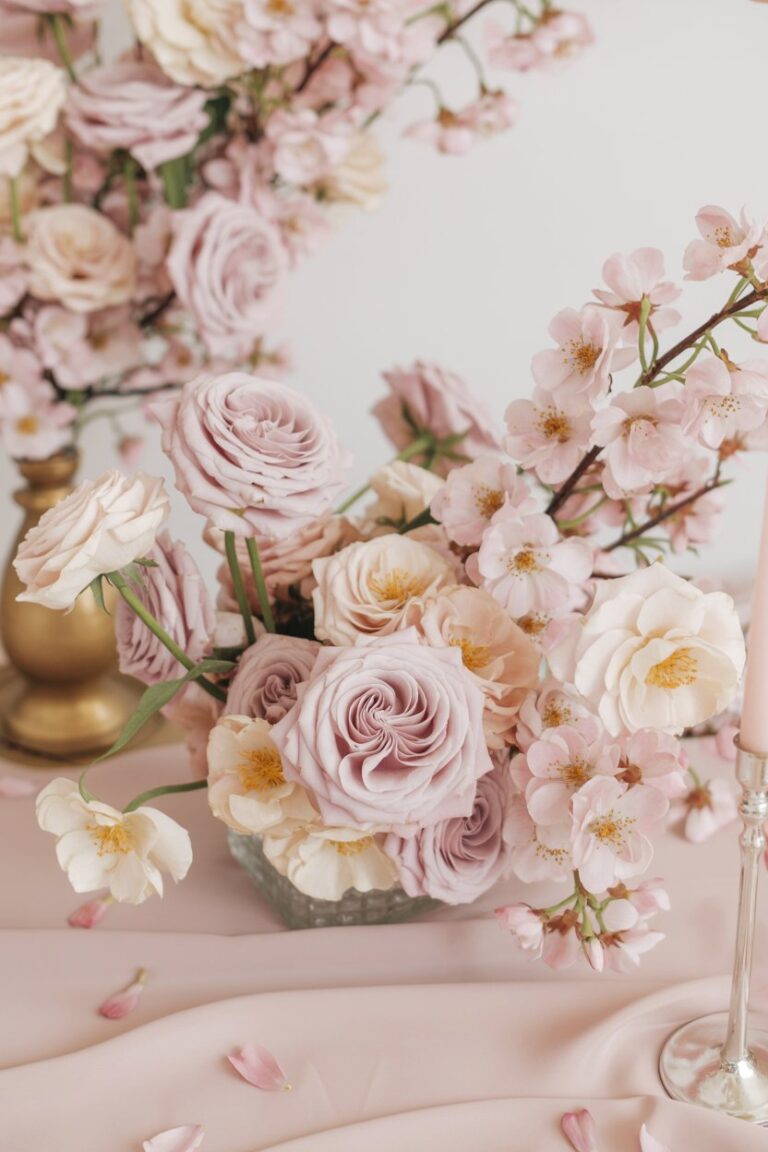
Instead of relying on a single statement installation, many couples opt for repeated floral moments throughout the reception. Low centerpieces, clusters of bud vases, soft greenery runners, and floral accents on bars or escort tables create cohesion without visual overload. Spring blooms naturally lend themselves to this approach, offering movement and freshness that feels effortless rather than formal.
Scale and sightlines are key considerations. Table florals should allow for easy conversation, while larger arrangements are better reserved for entry points or sweetheart tables. Lighting, linens, and tabletop details play an equal role here, with florals acting as the connective layer that ties everything together rather than competing for attention.
Reception florals are also where flexibility pays off. Repurposed ceremony arrangements can anchor high-visibility areas, while simpler table designs keep the room balanced. When planned thoughtfully, reception flowers don’t just decorate the space—they support the flow of the evening and reinforce the overall design story established earlier in the day.
Bridal Bouquets: The Most Personal Floral Choice

The bridal bouquet is less about decorating the wedding and more about defining the bride’s visual identity within it. In spring weddings, this floral moment often becomes the most photographed element of the day—appearing in portraits, ceremony shots, and detail images long after the celebration ends. Because of that, the bouquet should feel intentionally styled, not simply coordinated.
Spring bridal bouquets tend to favor softer shapes and seasonal movement, with flowers like ranunculus, tulips, peonies, and garden roses lending themselves to loose, romantic arrangements. Color, scale, and texture should complement the gown and overall wedding palette rather than compete with them. For brides seeking inspiration that focuses entirely on shape, flower choice, and styling, this guide to spring bridal bouquets offers a deeper look at how to refine this signature detail.
While the bridal bouquet often leads the floral story, it shouldn’t exist in isolation. Its tones and textures typically inform the rest of the wedding florals, helping create continuity across the ceremony and reception without exact duplication. When designed thoughtfully, the bouquet becomes the reference point for the entire floral plan—subtle, personal, and unmistakably intentional.
Wedding Party Bouquets: Cohesion Without Uniformity

Wedding party bouquets serve a different purpose than the bridal bouquet. Rather than standing out, they’re meant to support the overall floral design while maintaining visual balance in group photos and ceremony moments. In spring weddings, this often means simplifying color palettes, reducing flower varieties, or adjusting scale so the bridal bouquet remains the focal point.
Bridesmaid bouquets frequently echo the bride’s arrangement without mirroring it exactly—using shared tones, seasonal blooms, or consistent greenery to create cohesion. This approach feels elevated and intentional, especially when paired with varied dress styles or colors. For couples planning florals across the entire wedding party, this breakdown of spring wedding bouquets explores how coordinated designs can still feel fresh and individualized.
When bridal and wedding party bouquets are designed as a system rather than standalone pieces, the result is a polished, editorial look that photographs beautifully and reinforces the wedding’s overall aesthetic.
Greenery vs Blooms: How to Build a Fuller Look Without Overdesigning

One of the most effective ways to elevate spring wedding florals is by rethinking the balance between greenery and blooms. Lush foliage creates structure, movement, and depth, allowing seasonal flowers to stand out without overwhelming the design. In spring weddings especially, greenery-forward arrangements often feel more intentional than densely packed floral displays.
Using greenery as the foundation of your floral plan also creates visual continuity across the day. Garlands, loose runners, and foliage-lined installations translate seamlessly from ceremony to reception, helping different spaces feel connected. This approach pairs particularly well with outdoor and nature-driven celebrations, where florals are meant to complement the setting rather than compete with it. Couples planning garden-forward celebrations often find inspiration in these garden wedding ideas, where greenery plays a central design role.
Blooms, then, become intentional highlights rather than fillers. Concentrating flowers in high-visibility moments—such as the bridal bouquet, ceremony focal points, or sweetheart table—creates impact without excess. Soft spring blooms layered into greenery-based designs also lend themselves beautifully to whimsical, storybook aesthetics. For couples drawn to romantic, nature-inspired styling, elements from a fairy garden wedding can translate seamlessly into a floral plan that feels both elevated and organic.
Ultimately, balancing greenery and blooms is less about cost and more about cohesion. When florals are treated as part of the environment rather than standalone decorations, the result feels effortless, seasonal, and thoughtfully designed.
Floral Details That Tie the Entire Wedding Together

Beyond bouquets and centerpieces, smaller floral details are what make a spring wedding feel thoughtfully designed rather than simply decorated. These moments don’t need to be large or elaborate to be effective—in fact, subtle placements often have the strongest impact when they echo the broader floral plan already in place.
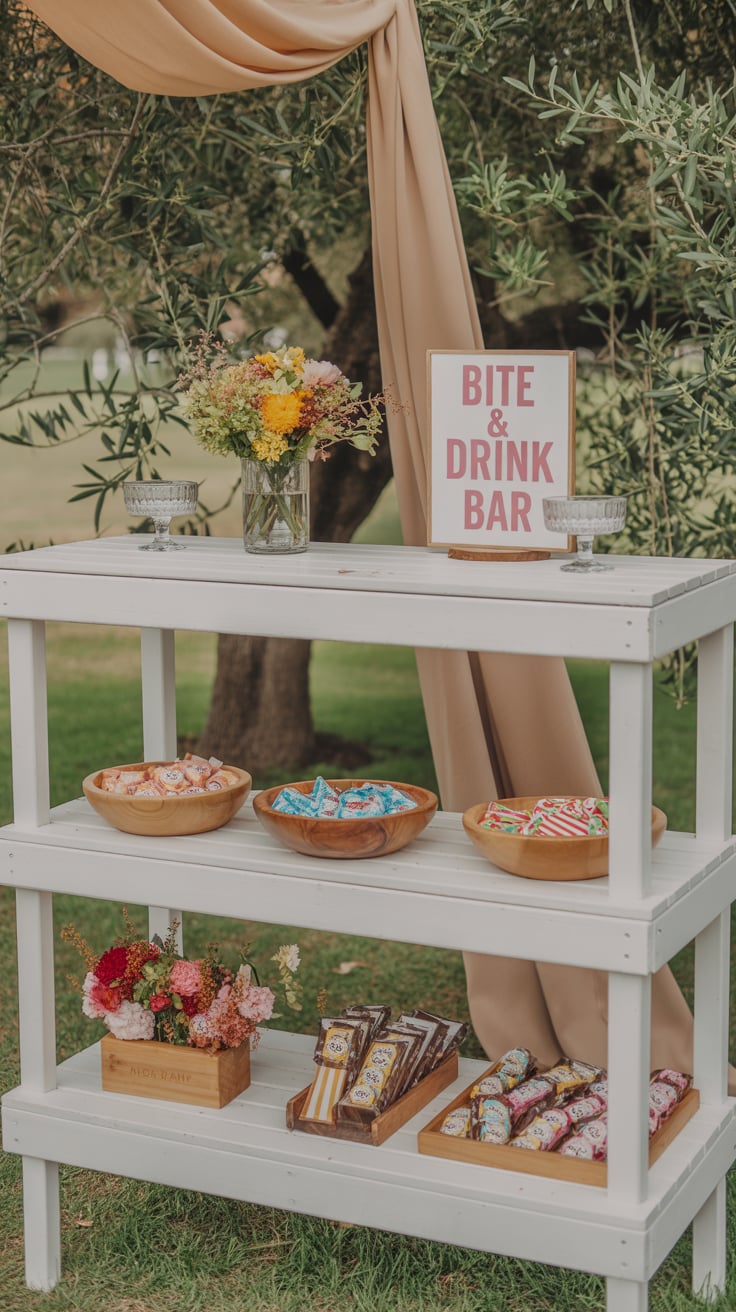
Spring florals work beautifully when layered into functional elements such as welcome signage, escort displays, cake tables, and lounge areas. A simple floral accent repeated throughout the day reinforces cohesion without drawing attention away from key moments. This is also where color becomes especially important. When florals align with the broader palette—rather than introducing new tones late in the design process—they help the entire wedding feel intentional. Couples refining their palette alongside florals often benefit from revisiting their spring wedding color choices to ensure consistency across every detail.
Floral details also translate naturally into guest-facing elements. From pressed-flower place cards to floral-accented favor tables, these touches bridge aesthetics and experience. Spring weddings, in particular, lend themselves to favors that incorporate botanicals or mirror the floral theme in a subtle way. Thoughtfully styled florals paired with curated takeaways—like those featured in these spring wedding favor ideas—help the design story carry through to the final moments of the celebration.
When approached with restraint, these floral accents don’t feel like extras—they feel like finishing touches. Each one reinforces the larger design system, ensuring the wedding feels cohesive from the first impression to the last goodbye.
Spring Wedding Floral Planning FAQs

What flowers are in season for spring weddings?
Spring favorites include tulips, ranunculus, peonies, sweet peas, anemones, and garden roses. Availability can vary by region and timing, so flexibility with specific varieties ensures the freshest results.
Are spring wedding florals more affordable than other seasons?
Often, yes—many popular spring blooms are naturally in season, which can reduce sourcing costs. However, high-demand flowers like peonies may still carry a premium depending on timing.
How many floral arrangements do I actually need?
Focus first on high-visibility areas such as the ceremony backdrop, bridal bouquet, and reception tables. Concentrating florals where they’ll be seen and photographed most delivers stronger impact than spreading them thin.
Can ceremony flowers be reused at the reception?
Absolutely. Altar arrangements and aisle florals often transition beautifully to sweetheart tables, bars, or reception entrances with minimal adjustment.
Should bridesmaids’ bouquets match the bridal bouquet?
They should coordinate, not match exactly. Simplified versions of the bridal bouquet help maintain cohesion while keeping the bride’s arrangement visually distinct.
Is it realistic to DIY spring wedding florals?
Small elements like bud vases, welcome table arrangements, or floral accents are manageable for many couples. Larger installations are best handled by professionals to ensure structure and longevity.
How do I choose between greenery-heavy or flower-forward designs?
Greenery-led designs feel especially natural in spring and create softness without overwhelming the space. Concentrating blooms in key moments keeps the look elevated and intentional.
What’s the most common floral planning mistake couples make?
Designing florals without considering the venue. Architecture, scale, and lighting all influence how arrangements are perceived, sometimes more than the flowers themselves.
Do spring weddings require more florals to feel complete?
Not necessarily. Spring flowers naturally feel abundant, meaning fewer arrangements can still create a lush, cohesive look when planned thoughtfully.
Final Thoughts: A Thoughtful Floral Plan Makes Everything Feel Effortless

The most memorable spring wedding florals aren’t defined by a single flower or arrangement—they’re defined by how seamlessly every element works together. When ceremony, reception, and personal florals are designed as one cohesive system, the result feels natural, elevated, and unmistakably intentional. Spring offers abundance by default; thoughtful planning is what turns that abundance into elegance.
Whether your vision leans romantic, garden-inspired, or modern, approaching florals with clarity and restraint ensures each choice has purpose. By prioritizing placement, cohesion, and seasonality, spring wedding florals become more than décor—they become part of the atmosphere your guests experience from the first moment to the last.
Planning spring wedding florals? Save this guide to your Pinterest wedding board for bouquet inspiration, floral design strategy, and seasonal planning tips you’ll want to reference again and again.





One Comment