Beautiful Spring Wedding Bouquets
Spring wedding bouquets have a way of feeling instantly romantic without trying too hard. There’s a lightness to them—seasonal blooms at their peak, softer color stories, and an effortless movement that feels both modern and timeless. Unlike winter arrangements that lean structured or summer florals that skew bold and overflowing, spring bouquets strike a balance: fresh, airy, and unmistakably editorial.
What makes spring wedding bouquets so compelling is their connection to the season itself. Peonies, ranunculus, tulips, and flowering branches aren’t just beautiful—they’re fleeting, which gives them an added sense of intention. The best designs let that natural beauty lead, pairing loose shapes with thoughtful details that photograph beautifully in soft daylight.
Ahead, we’re breaking down the bouquet styles, flowers, and design choices defining spring weddings right now—plus how to choose an arrangement that feels personal, polished, and perfectly in sync with your celebration.
This post may contain affiliate links, please refer to privacy policy for more information.
Trending Spring Wedding Bouquet Styles

Each spring brings its own floral moment, but the most enduring bouquet styles share one thing in common: they look effortless. Designers are moving away from overly structured arrangements in favor of silhouettes that feel natural, romantic, and editorial—bouquets that look just as beautiful in candid photos as they do walking down the aisle.
Loose Garden Bouquets

Loose garden bouquets continue to dominate spring weddings for good reason. Built with varied stem lengths, layered blooms, and soft greenery, this style feels organic and unfussy. Peonies, ranunculus, garden roses, and sweet peas are often mixed with airy foliage to create movement and depth.
This bouquet style pairs especially well with outdoor ceremonies and romantic settings, making it a natural fit for garden-inspired celebrations and whimsical spring venues.
Wildflower-Inspired Bouquets

Wildflower-inspired bouquets feel relaxed yet intentional, capturing the charm of freshly gathered blooms without appearing messy. These arrangements often combine delicate florals, soft grasses, and unexpected textures for a look that feels personal and slightly undone.
Perfect for couples planning outdoor, countryside, or fairy-tale–inspired weddings, this style embraces natural variation and seasonal beauty.
Minimalist Mono-Bloom Bouquets

For brides drawn to a clean, modern aesthetic, mono-bloom bouquets make a striking statement. Featuring a single flower variety—such as tulips, calla lilies, or ranunculus—these bouquets rely on shape, color, and proportion rather than complexity.
The result is sleek and editorial, allowing the chosen bloom to shine while complementing minimalist gowns and contemporary venues.
Soft Pastel Bouquets with Modern Contrast

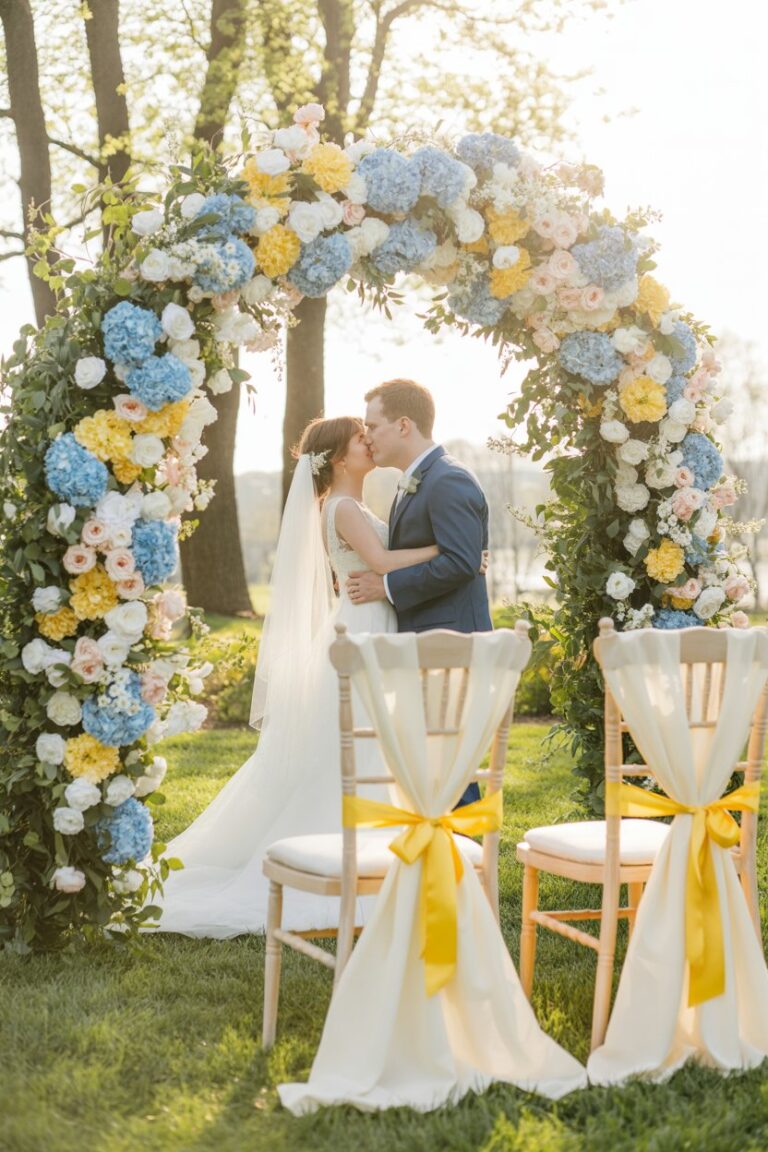
Pastels remain a spring favorite, but today’s designs introduce contrast through texture or deeper accent tones. Blush, lavender, butter yellow, and pale blue are often grounded with rich greenery or darker centers, creating a bouquet that feels romantic yet refined.
This balance keeps pastel arrangements from feeling overly sweet, making them ideal for brides who want softness with a modern edge.
Best Flowers for Spring Wedding Bouquets

One of the biggest advantages of choosing a spring wedding date is access to flowers at their absolute peak. Seasonal blooms not only look fresher and more vibrant, but they also tend to be more affordable and longer-lasting. These are the flowers that define spring wedding bouquets—and why designers return to them year after year.
Peonies
Peonies are the undisputed stars of spring weddings. Known for their full, ruffled petals and romantic presence, they create instant impact in both loose and structured bouquets. Their short blooming window makes them especially coveted, lending a sense of luxury and seasonality to spring arrangements.
Ranunculus
Ranunculus offer layered petals similar to peonies but with a slightly more delicate feel. They’re versatile, photograph beautifully, and come in a wide range of soft spring tones. Their flexibility makes them ideal for everything from garden-style bouquets to modern, minimalist designs.
Tulips
Tulips bring a clean, modern look to spring wedding bouquets. Whether arranged tightly or allowed to bend naturally, they create an effortlessly chic silhouette. Their simple form pairs well with contemporary gowns and understated wedding aesthetics.
Anemones
Anemones add contrast and visual interest, thanks to their dark centers and crisp petals. They’re especially popular in editorial-inspired bouquets, where a pop of drama enhances an otherwise soft color palette.
Sweet Peas and Flowering Branches
For brides drawn to texture and movement, sweet peas and flowering branches offer a light, romantic touch. Sweet peas introduce fragrance and softness, while branches such as cherry blossom or dogwood create sculptural interest and a true sense of seasonality.
How to Choose a Spring Wedding Bouquet That Feels Right

The most beautiful spring wedding bouquets don’t just follow trends—they feel in sync with the entire celebration. From the venue to the dress to the overall mood of the day, choosing the right bouquet is about balance and intention rather than excess.
Consider Your Venue
Your setting should guide both the size and style of your bouquet. Garden, estate, and outdoor venues pair naturally with loose, organic arrangements that echo the surrounding landscape. In contrast, formal indoor spaces often benefit from more refined silhouettes and restrained color palettes.
Spring venues with natural greenery or floral backdrops often require less visual competition, allowing simpler bouquets to shine.
Match Your Dress Silhouette and Fabric
Your bouquet should complement—not compete with—your gown. Flowing dresses with lace or tulle pair beautifully with soft, garden-style bouquets, while structured gowns in satin or crepe work well with cleaner, more minimal arrangements.
Scale matters as well. Petite frames and streamlined dresses benefit from smaller bouquets, while dramatic skirts and trains can carry larger, more expressive designs.
Align with Your Wedding Aesthetic
Whether your style leans romantic, modern, whimsical, or editorial, your bouquet should reinforce that story. Spring florals are especially versatile, making it easy to tie together color, texture, and mood for a cohesive look that feels intentional from ceremony to reception.
Spring Wedding Bouquet Color Palettes That Photograph Beautifully

Spring light is softer and more forgiving than any other season, which makes color choice especially important. The right palette doesn’t just look beautiful in person—it elevates photos, flatters skin tones, and feels timeless years later. Spring wedding bouquets shine when colors feel harmonious rather than overly contrasted.
Blush, Ivory, and Soft Green
This classic spring combination remains a favorite for a reason. Blush adds warmth, ivory keeps the look bridal, and soft greenery grounds the bouquet without overpowering it. Together, they create a romantic palette that works across a wide range of venues and dress styles.
Lavender, Pale Blue, and Cream
Cool-toned pastels feel especially elegant in spring ceremonies. Lavender and pale blue offer a gentle wash of color, while cream florals soften the look and prevent it from feeling too themed. This palette photographs beautifully in outdoor and garden settings.
Butter Yellow and White
Yellow may seem bold, but softer shades like butter or primrose feel light and joyful in spring bouquets. Paired with white blooms and fresh greenery, the result is bright, fresh, and surprisingly timeless—ideal for daytime weddings.
All-White with Textural Greenery
An all-white bouquet allows texture to take center stage. Mixing different petal shapes and subtle greenery creates dimension without relying on color. This approach feels modern, editorial, and effortlessly chic, especially when paired with minimalist gowns.
Bouquet Details Brides Often Overlook

When planning spring wedding bouquets, most brides focus on flowers and color—but it’s the smaller details that often determine whether an arrangement feels polished or unfinished. These elements may seem subtle, but they make a noticeable difference in both comfort and photography.
Handle Wraps and Finishing Touches
The bouquet handle is almost always visible in photos, yet it’s frequently overlooked. Soft silk ribbon, raw silk, chiffon, or velvet wraps add texture and movement, while floral tape alone can feel unfinished. Longer ribbon tails can introduce a romantic, editorial feel as you walk down the aisle.
Weight and Balance
Spring bouquets often feature lush blooms, which can become heavy quickly. A well-balanced bouquet should feel comfortable to hold for extended periods without strain. This is especially important during longer ceremonies and portrait sessions.
Fragrance Sensitivity
Highly fragrant spring flowers like lilac or sweet peas can be beautiful but overwhelming for some. If you or close family members are sensitive to scent, ask your florist to balance fragrant blooms with neutral florals to avoid discomfort.
Stem Length and Shape
Longer stems create a relaxed, garden-inspired look, while shorter stems feel more traditional and formal. Deciding on stem length early helps ensure your bouquet complements both your dress and overall wedding aesthetic.
Fresh vs. Faux Spring Wedding Bouquets

Fresh flowers are the traditional choice for spring wedding bouquets, but high-quality faux arrangements have become an increasingly popular alternative. Each option offers its own advantages, and the right choice depends on your priorities, budget, and wedding logistics.
Why Choose Fresh Flowers
Fresh spring blooms offer unmatched texture, fragrance, and natural movement. When flowers are in season, they feel abundant and luxurious, creating a bouquet that looks organic and alive. For many brides, the sensory experience of fresh florals is part of what makes the day feel special.
When Faux Bouquets Make Sense
Faux bouquets are a practical option for destination weddings, allergy concerns, or brides who want a lasting keepsake. Modern silk flowers can look remarkably realistic when styled thoughtfully, especially in softer spring palettes that don’t rely on high contrast.
They’re also ideal for pre-wedding photos, bridal portraits, or backup arrangements where durability matters.
Smart Shopping Tips
If you’re considering faux florals, focus on quality over quantity. Look for realistic petal textures, natural color variation, and flexible stems that allow for movement. Simple designs often photograph better than overly complex arrangements.
Budgeting for Spring Wedding Bouquets
Spring wedding bouquets are often more cost-effective than arrangements created in peak summer or winter months, thanks to better flower availability. Still, pricing can vary widely depending on bloom choice, size, and level of design detail. Understanding where your budget goes helps you prioritize what truly matters.
What Influences Bouquet Cost
Seasonal flowers like tulips and ranunculus tend to be more affordable, while short-window blooms such as peonies can increase costs quickly. Scale also plays a role—larger, looser bouquets require more stems, even if the design appears relaxed.
Labor, ribbon finishes, and specialty greenery are additional factors that can quietly add to the final price.
Where to Save Without Sacrificing Style
Opting for seasonal blooms, simplifying color palettes, and focusing design effort on the bridal bouquet can make a meaningful difference. Bridesmaid bouquets can echo the same tones with fewer varieties, maintaining a cohesive look without duplicating costs.
Planning Ahead Pays Off
Finalizing your floral vision early allows your florist to source blooms efficiently and avoid last-minute substitutions. This is where a clear planning timeline becomes invaluable, especially for spring weddings with high demand.
Common Spring Wedding Bouquet Questions

Spring bouquets come with their own set of considerations. These are some of the most common questions brides ask when planning their florals.
How far in advance should I choose my bouquet style?
Most florists recommend settling on a general style and color palette three to four months before your wedding. This allows flexibility for seasonal availability while keeping the design cohesive.
Are peonies guaranteed for spring weddings?
Peonies are typically available in late spring, but bloom timing can vary year to year. If peonies are a must, discuss backup flowers with a similar look in case of supply issues.
Should bridesmaids’ bouquets match exactly?
Exact matches aren’t necessary. Coordinating colors and flower types creates a more relaxed, modern look while still feeling intentional.
What bouquet size photographs best?
Medium-scale bouquets tend to photograph best, offering presence without overwhelming the dress. The goal is balance rather than volume.
Can I mix spring and summer flowers?
Yes, but moderation is key. Blending one or two summer blooms into a spring base can add interest without disrupting the seasonal feel.
Are wildflower bouquets more affordable?
They can be, but the look still requires thoughtful sourcing and design. The “effortless” style often takes more planning than expected.
Should I preserve my bouquet after the wedding?
If your bouquet includes sentimental blooms or unique design details, preservation can be a meaningful keepsake. Many brides choose pressing or professional preservation services.
Final Thoughts on Spring Wedding Bouquets
The best spring wedding bouquets don’t feel forced. They rely on seasonality, thoughtful design, and restraint—letting fresh blooms, soft color, and natural movement speak for themselves. When chosen with intention, a spring bouquet becomes more than an accessory; it’s a reflection of the season and the celebration itself.
Save your favorite ideas, revisit what resonates most, and trust that simplicity—paired with the right seasonal flowers—will always feel timeless.
Planning your spring wedding? Save this guide to your Pinterest boards for bouquet inspiration, color pairing ideas, and seasonal floral trends you’ll want to reference again and again.